


 Deutsch
 English
 Español
 Français
 Nederlands
 Português


 Share
Share




Germany's economy, the largest in Europe, grew by 0.3% in the second quarter of 2026 compared with the previous three months, according to final data from the Federal Statistical Office (Destatis) published on Monday, 25 August 2026. The German GDP growth figure was revised up by 0.1 percentage point from the flash estimate of 0.2% released on 30 July 2026. Year on year, gross domestic product rose 1.0% in price- and calendar-adjusted terms.
What the revised German GDP data shows
The upward revision confirms that Europe's industrial powerhouse maintained momentum through the spring. In the first quarter of 2026, the economy expanded 0.4% quarter on quarter and 0.8% year on year. The second-quarter rebound was broad-based, but the details reveal a two-speed recovery: strong external demand and weak domestic spending. The revision also follows a major summer data overhaul by Destatis, which recalculated results back to 2011, lifting cumulative 2011–2021 growth by 0.8 percentage points. The stronger data reinforce the view that German industrial production is stabilising after a difficult 2024, when GDP was revised to stagnation (0.0%) from an earlier estimate of -0.5%.
Exports drive the Q2 2026 upward revision
The main engine was foreign trade. Exports of goods and services rose 2.0% quarter on quarter, with goods exports up 2.6%. Imports increased 1.5%, meaning net trade made a positive contribution to growth. Destatis President Ruth Brand commented: "The German economy maintained its growth momentum in the second quarter, driven primarily by strong exports." Compared with the second quarter of 2025, exports climbed 3.7% and imports 2.5%.
Manufacturing rebounds, but investment lags
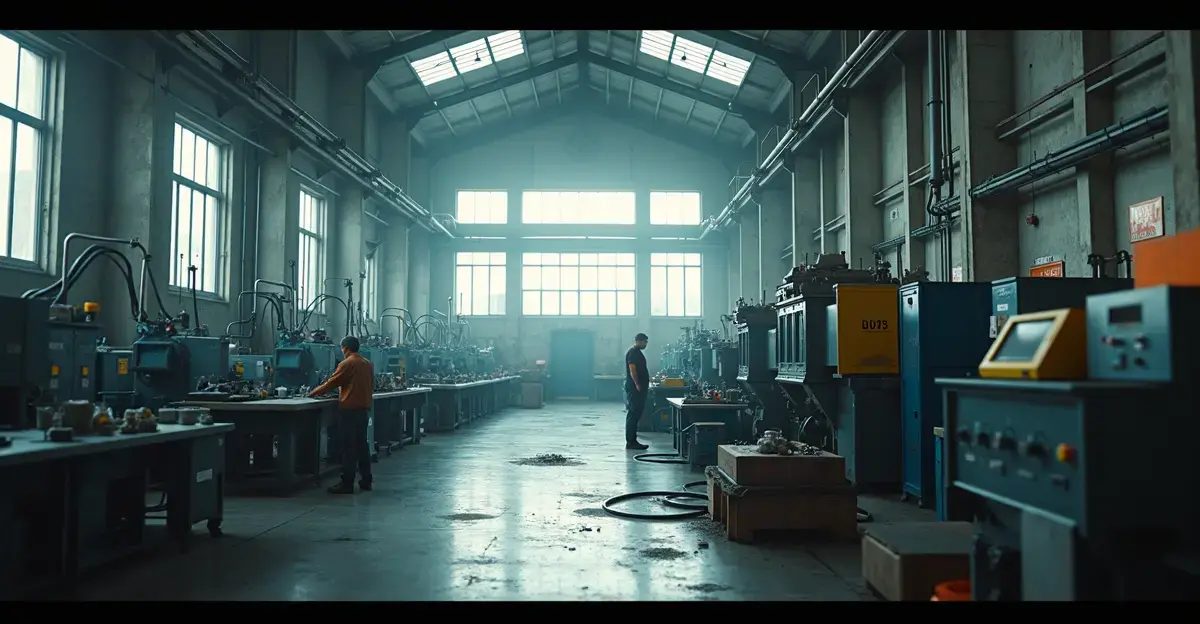
Gross value added increased 0.4% in Q2 2026. Manufacturing output grew 0.9%, led by chemicals and electrical equipment. However, gross fixed capital formation in machinery and equipment fell 1.4% quarter on quarter, and construction was nearly flat at +0.1%. Final consumption expenditure edged up only 0.1%, highlighting cautious households despite easing inflation.
| Indicator | Q2 2026 change (QoQ) |
|---|---|
| GDP | +0.3% |
| Exports | +2.0% |
| Imports | +1.5% |
| Manufacturing GVA | +0.9% |
| Machinery investment | -1.4% |
| Construction | +0.1% |
| Final consumption | +0.1% |
Why the Rhine drought is a growing risk for Germany
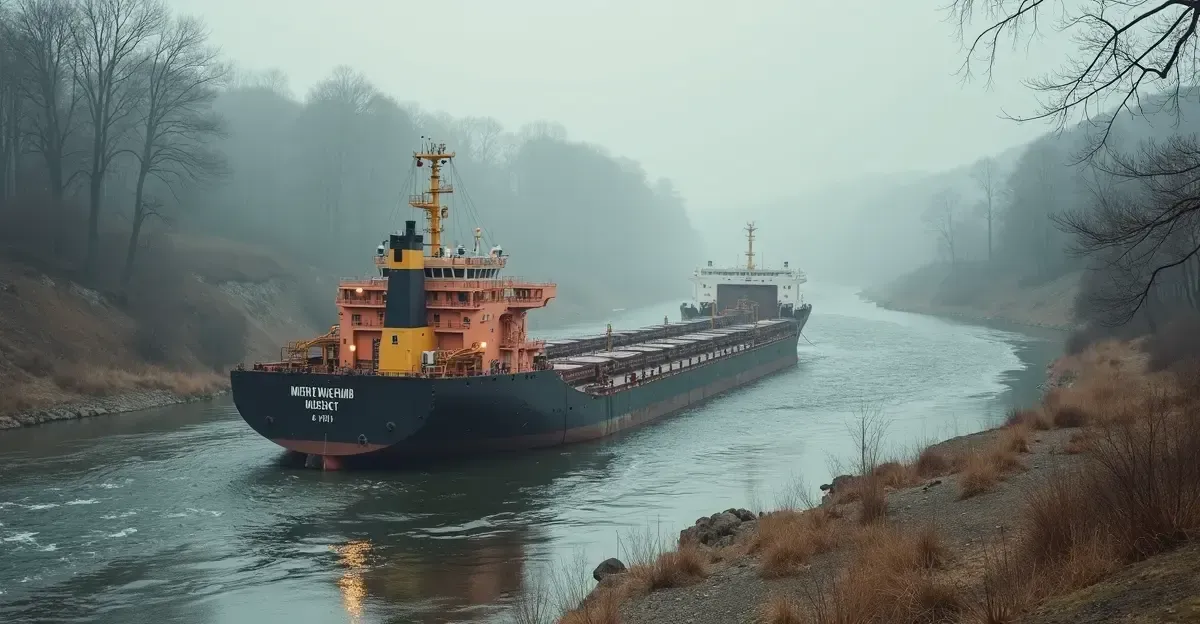
Even as exports lift headline growth, a severe drought is threatening Germany's economic recovery in the second half of 2026. The Rhine, which carries about 80% of Germany's inland waterway traffic and moves roughly 285 million tonnes of goods annually, has fallen to critically low levels. In August 2026, shipping rates for petroleum products hit €200 per tonne, breaking the 2022 record of €130. Duisburg port reported vessel loading capacities at about one-third of normal. Economists warn that persistent Rhine river low water could subtract more than the 0.3 percentage points lost during the 2018 drought, raising transport costs and disrupting supply chains for steel, chemicals and oil refining.
German economic outlook for the rest of 2026
The upward revision suggests the German economy is more resilient than earlier feared, but significant risks remain. The European Central Bank interest rate trajectory and energy prices will shape the second half. KfW Research noted that Germany weathered the energy price shock well in Q2 2026, with surprisingly strong exports and rising PMI and ifo business surveys. However, the drought and potential Middle East supply disruptions pose downside risks. Analysts still expect only a modest full-year expansion for 2026, with forecasts generally between 0.5% and 1.0%.
Frequently asked questions
How much did the German economy grow in Q2 2026?
German GDP grew 0.3% quarter on quarter in Q2 2026, revised up from an initial estimate of 0.2%.
What drove Germany's Q2 2026 growth?
Strong exports were the main driver, rising 2.0% quarter on quarter, while domestic demand remained subdued.
Is the Rhine drought hurting Germany's economy?
Yes. Low water levels on the Rhine are raising shipping costs and disrupting industrial supply chains, a key risk for H2 2026 growth.
What is Germany's full-year 2026 growth forecast?
Forecasts vary, but the upward Q2 revision and resilient exports support a modest recovery, with drought and energy prices as main risks.




Follow Discussion