


 Deutsch
 English
 Español
 Français
 Nederlands
 Português


 Share
Share




The Strait of Hormuz Shock: A 95% Collapse in Ship Transits
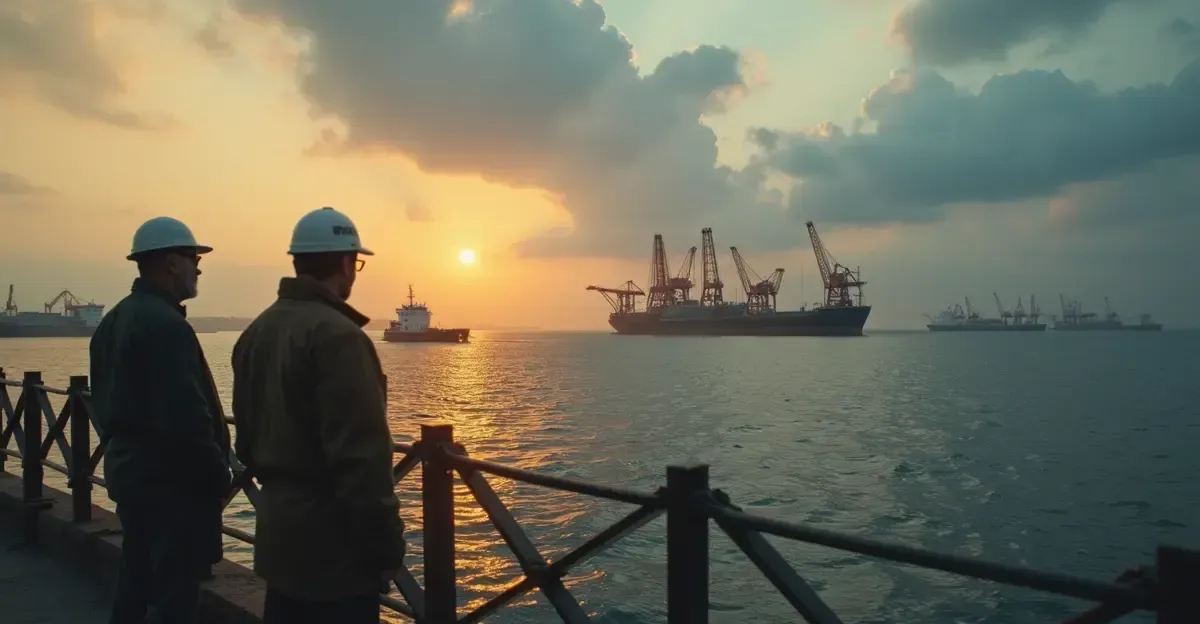
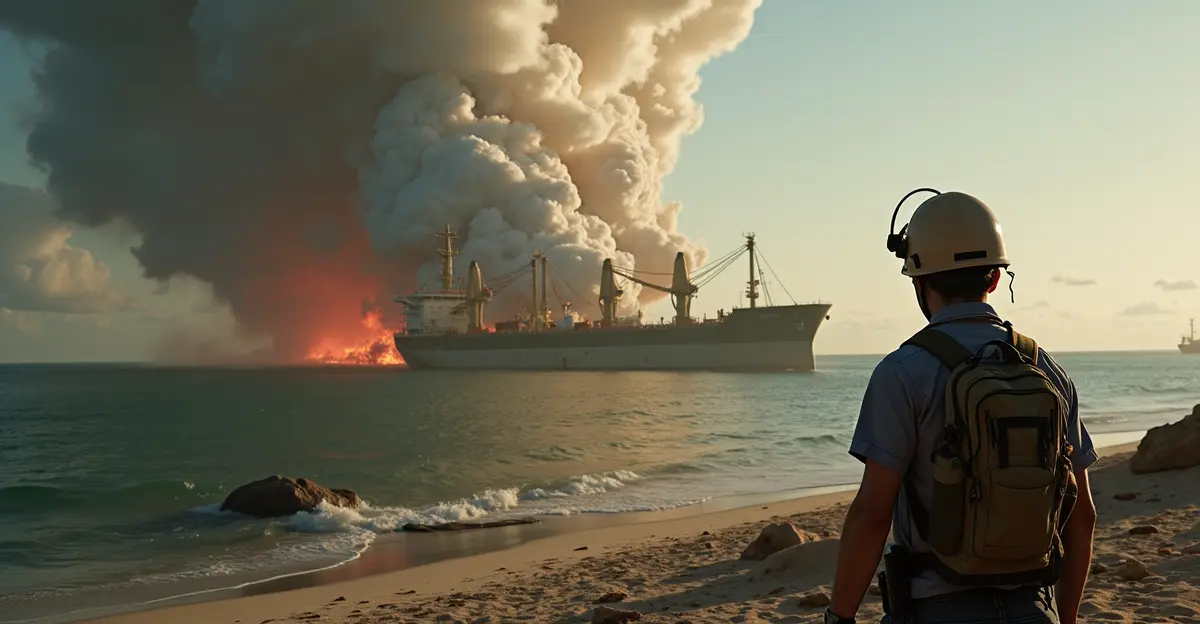
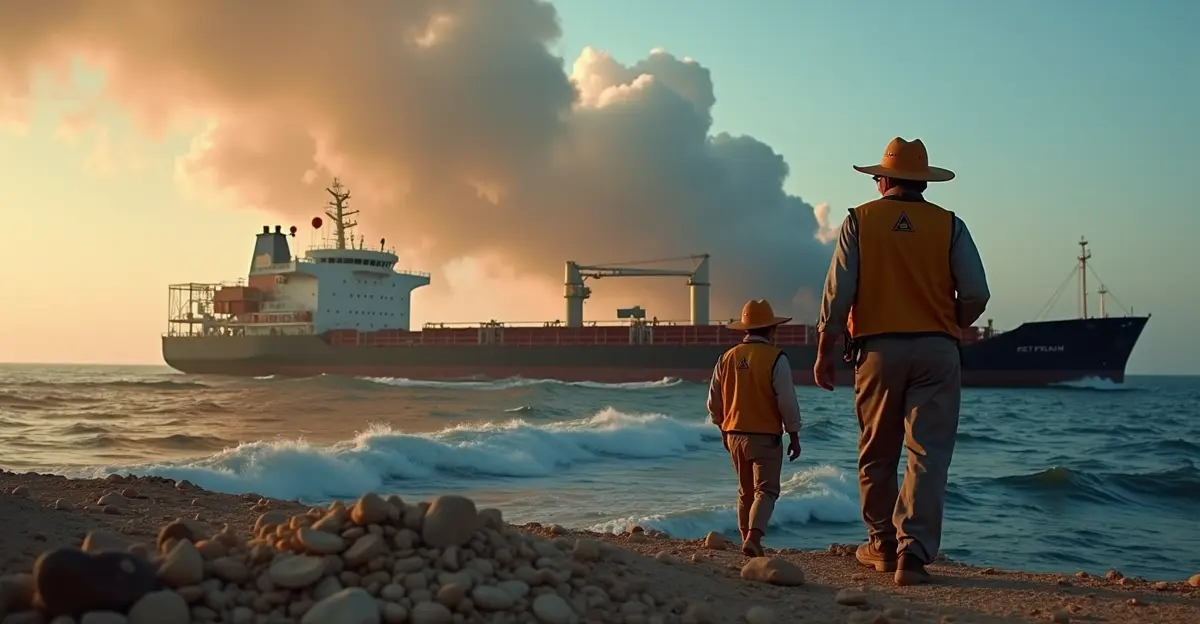
In late February 2026, the Strait of Hormuz — the world's most critical energy chokepoint — effectively closed. Ship transits collapsed by roughly 95%, from an average of 130 vessels per day to just six, after Iran's Islamic Revolutionary Guard Corps (IRGC) blockaded the waterway in response to U.S. and Israeli airstrikes. The result has been the largest oil market shock in history, with Brent crude surging 65% to $126 per barrel in March alone, according to data from the International Energy Agency (IEA). The 2026 Strait of Hormuz crisis has removed approximately 20% of global oil supply from the market — three to five times larger than the disruptions caused by the 1973 Yom Kippur War or the 1990 Gulf War, according to the Federal Reserve Bank of Dallas.
Global Trade Growth Decelerates Sharply
The cascading economic effects are now visible across global supply chains. UNCTAD's second rapid assessment, published in April 2026, warns that global merchandise trade growth will decelerate from 4.7% in 2025 to between 1.5% and 2.5% in 2026 — the lowest rate since 2023. Global GDP growth is projected to slip to 2.6%, down from 2.9% in 2024 and well below the pre-pandemic average of 3%. The Dallas Fed models a 2.9 percentage point annualized hit to global GDP in the second quarter of 2026 alone. "The Strait of Hormuz remains virtually closed, with effects spreading through the global economy within weeks by disrupting energy flows, raising prices and increasing financial pressure on developing countries," UNCTAD warned in its assessment.
Supply Chain Disruptions Beyond Oil
The crisis extends far beyond crude. Approximately 13% of global nitrogen fertilizer shipments transit the strait, creating a looming food security crisis. The UN's Food and Agriculture Organization estimates that up to 45 million additional people could face acute food insecurity as fertilizer prices spike and agricultural input costs rise. Asian economies are particularly exposed: South Korea, Japan, and India — which rely on the strait for the majority of their oil imports — face severe energy shortages and currency depreciation. The global supply chain disruption 2026 has forced manufacturers from Seoul to Rotterdam to idle production lines.
Developing Nations Face a Triple Crisis
Developing economies are bearing the brunt of the shock. UNCTAD identifies a triple crisis: soaring energy import costs, fertilizer shortages, and tightening financial conditions. Twelve highly exposed countries — including Pakistan, Sri Lanka, Ghana, and Zambia — face acute sovereign debt distress as their import bills balloon and currencies weaken. The World Bank has warned that the crisis could push several nations into default, echoing the 1980s debt crisis but with far less policy space to respond. "The convergence of an unprecedented energy supply shock, record sovereign debt levels, and acute vulnerability in developing nations creates a perfect storm that existing policy tools may be inadequate to address," noted a senior UNCTAD economist.
Rising Sovereign Debt Distress
Global sovereign debt has already reached record levels — exceeding 100% of GDP in many advanced economies and 70% in emerging markets. The Hormuz shock adds $200–300 billion to developing nations' energy import bills in 2026 alone, according to IMF estimates. Currency depreciation in affected countries has been severe: the Pakistani rupee has lost 18% of its value since February, while the Sri Lankan rupee has fallen 12%. Higher interest rates in advanced economies, driven by inflationary pressures from the oil spike, further tighten financial conditions for emerging markets. The sovereign debt crisis 2026 is now a central concern at the IMF and World Bank spring meetings.
Policy Responses and Strategic Realignment
The IEA coordinated the largest emergency stock release in history — 400 million barrels — to stabilize markets, but analysts say this only buys time. The U.S. has activated the Strategic Petroleum Reserve and is pressuring OPEC+ to increase production, but spare capacity is limited. Meanwhile, the crisis has accelerated a strategic realignment of global energy security architecture. European nations are fast-tracking renewable energy investments, while Asian importers are diversifying supply sources toward Africa and the Americas. "Renewables are now more reliable than vulnerable fossil fuel supply chains," argued a leading energy economist in a recent policy brief.
Geopolitical Fallout
The blockade has also reshaped geopolitical alliances. Iran's action has isolated it further, but the U.S.-Israeli strikes that preceded the blockade have drawn criticism from several Gulf states. As of mid-2026, a durable resolution remains elusive. Ceasefire talks have stalled, and the strait remains effectively closed. The Middle East geopolitical tensions 2026 show no signs of abating, with the risk of a prolonged blockade extending into 2027.
FAQ: The Strait of Hormuz Crisis in 2026
What caused the Strait of Hormuz closure in 2026?
On February 28, 2026, Iran's IRGC blockaded the strait in retaliation for U.S. and Israeli airstrikes on Iranian military facilities. The blockade involved naval mines, anti-ship missiles, and patrol boats, effectively halting commercial shipping.
How much has oil production been affected?
Global oil supply crashed by 10.1 million barrels per day in March 2026 — the largest monthly supply loss in history. Brent crude prices surged from $76 to $126 per barrel.
Which countries are most vulnerable to the economic fallout?
Developing nations heavily dependent on energy imports — including Pakistan, Sri Lanka, Ghana, Zambia, and several Southeast Asian economies — face the highest risk of debt distress and food insecurity.
What is the outlook for global trade in 2026?
UNCTAD projects merchandise trade growth of just 1.5–2.5% for 2026, down from 4.7% in 2025. GDP growth is expected to slow to 2.6%, with a potential recession in several advanced economies if the blockade persists.
Can the global economy absorb this shock without a broader crisis?
While emergency reserves and policy coordination have prevented an immediate meltdown, the risk of a broader debt crisis remains high. The IMF and World Bank have called for coordinated action, including debt restructuring for vulnerable nations and accelerated investment in energy diversification.
Conclusion: A Watershed Moment for Global Economic Governance
The Strait of Hormuz shock of 2026 is more than an energy crisis — it is a stress test for the entire global economic system. The convergence of a massive supply disruption, record debt levels, and geopolitical instability has exposed the fragility of a world economy still dependent on a single maritime chokepoint for its energy lifeline. Whether policymakers can navigate this crisis without triggering a cascade of sovereign defaults and a prolonged global recession will define the economic landscape for years to come. The future of global trade governance hangs in the balance.
Follow Discussion