


 Deutsch
 English
 Español
 Français
 Nederlands
 Português


 Share
Share




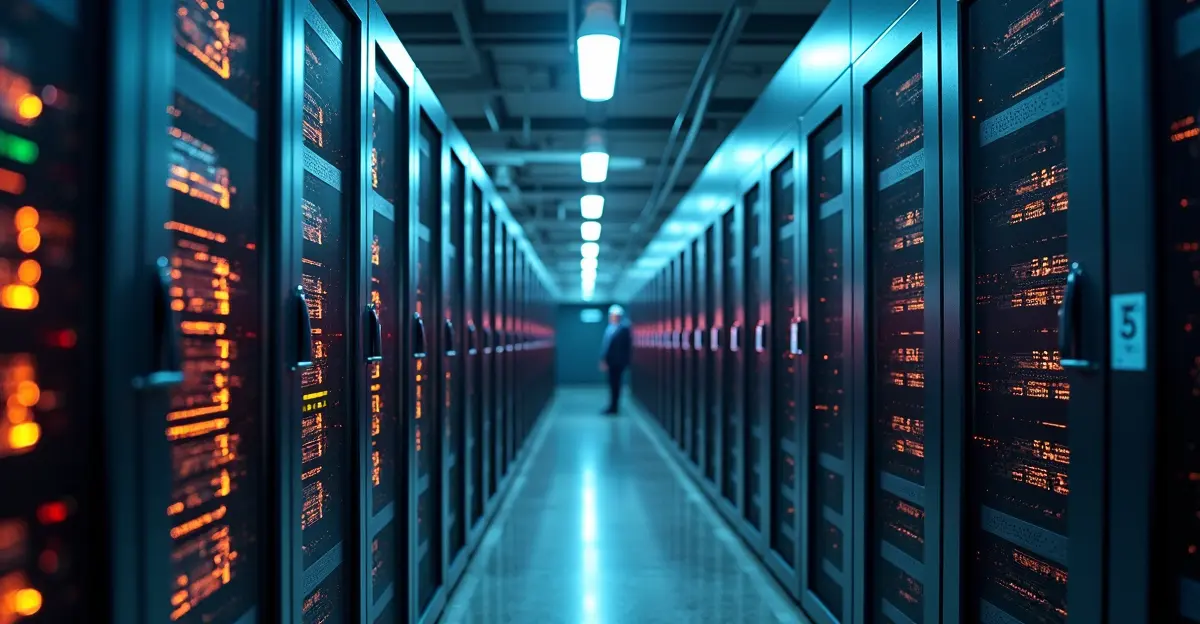
AI data centers consumed an estimated 565 terawatt-hours (TWh) of electricity globally in 2026, a 26% year-over-year surge that has pushed AI growth into a hard power ceiling defined by global energy and water limits. The primary bottleneck is no longer chip supply or model capability but the inability of public electrical grids and freshwater systems to support hyperscale AI infrastructure, according to the International Energy Agency (IEA) and a June 2026 United Nations report.
What Is the AI Power Ceiling?
The power ceiling refers to the point at which AI expansion is constrained not by compute or algorithms but by physical infrastructure—electricity generation, grid transmission capacity, and water for cooling. Data centers now draw up to 300,000 gallons of water per day each, and global grid upgrades require an estimated $6.7 trillion in cumulative investment through 2030. This is a data center energy crisis that is forcing a strategic rethink across the industry.
Energy Demand: The Numbers Behind the Crunch
Global data center electricity consumption reached 565 TWh in 2026, up 26% from 447 TWh in 2025, according to Gartner data cited by Axis Intelligence. The IEA's Electricity 2026 analysis projects nearly 950 TWh by 2030—about 3% of global electricity demand. The UN report warns that data centres could consume nearly triple the combined annual electricity of Pakistan, Bangladesh, and Nigeria, countries home to more than 650 million people.
AI-focused facilities are the main driver: their electricity use surged 50% in 2025 and is set to triple by 2030. Server rack power density rose elevenfold between 2020 and 2025, with AI GPU racks now drawing 40–80+ kW versus 5–10 kW for standard racks. This rapid escalation is a classic AI infrastructure scaling challenge.
Water: The Hidden Constraint
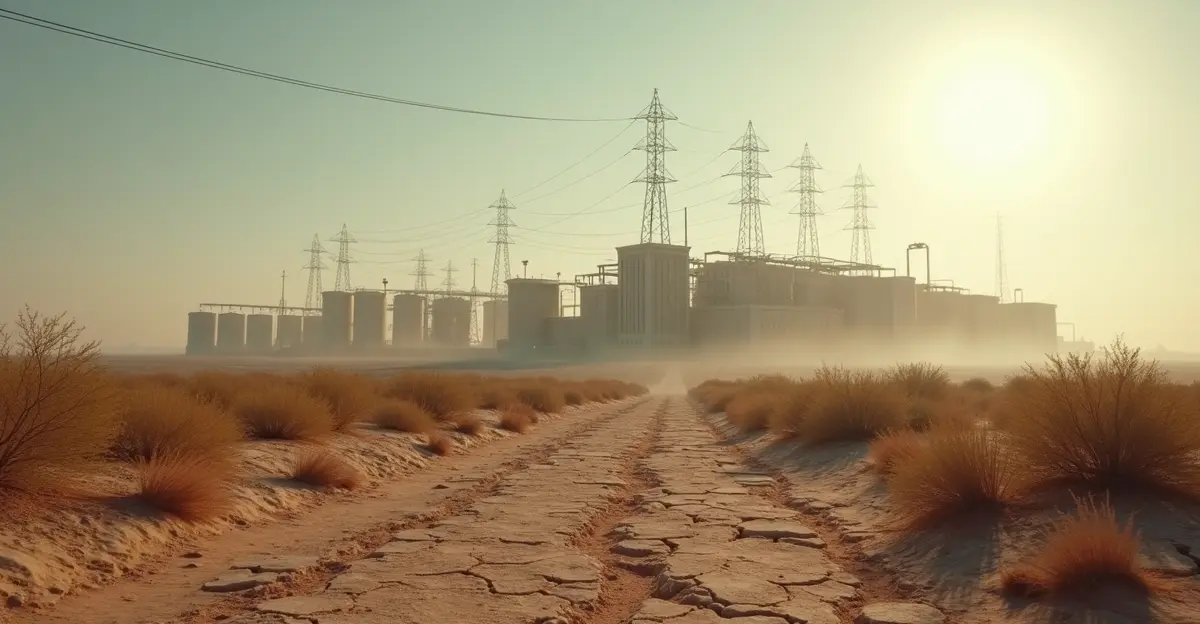
Cooling servers and generating electricity for them consumes enormous volumes of water. A single typical facility uses about 300,000 gallons daily, while hyperscale sites can reach 5 million gallons. The UN University Institute for Water, Environment and Health estimates AI data centres' water footprint could equal the annual domestic needs of Sub-Saharan Africa's 1.3 billion people by 2030. Water consumption is projected to more than double to 9.3 trillion litres. Notably, inference—running deployed models—accounts for 80–90% of AI energy use, and ChatGPT alone processes about 2.5 billion prompts daily.
Over 40% of planned data centres sit in water-stressed regions, and nearly two-thirds of new U.S. facilities are built in water-scarce areas. In Phoenix, data centres are projected to consume over 20% of the city's water capacity by 2031. This tension is fueling a shift toward sustainable data center cooling technologies.
The $6.7 Trillion Grid Problem
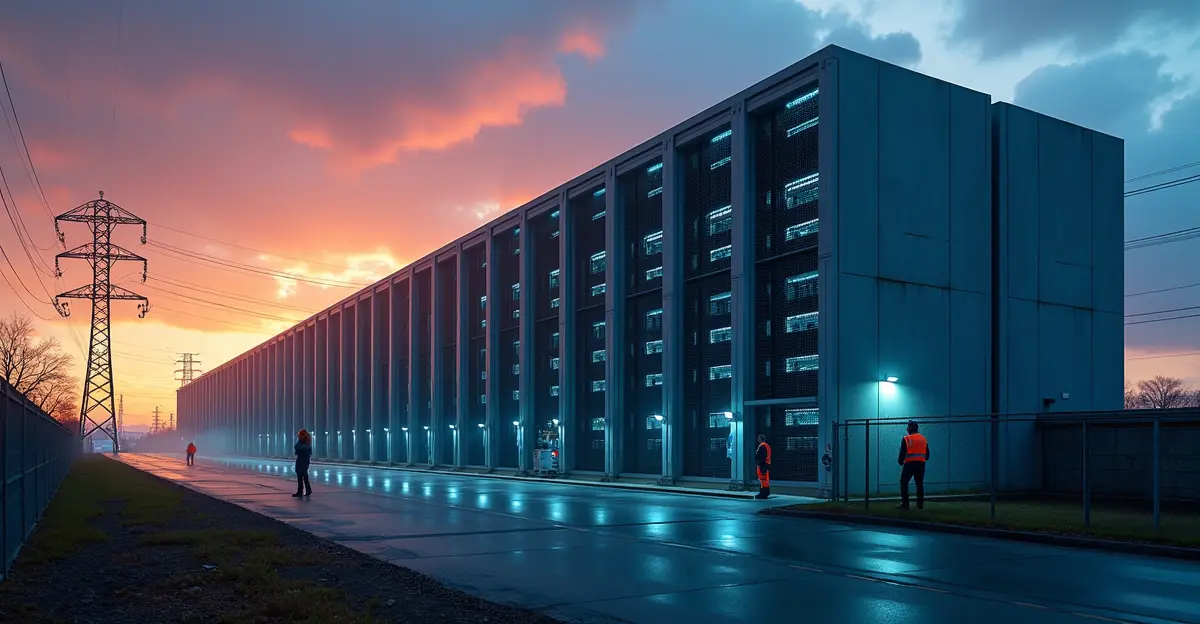
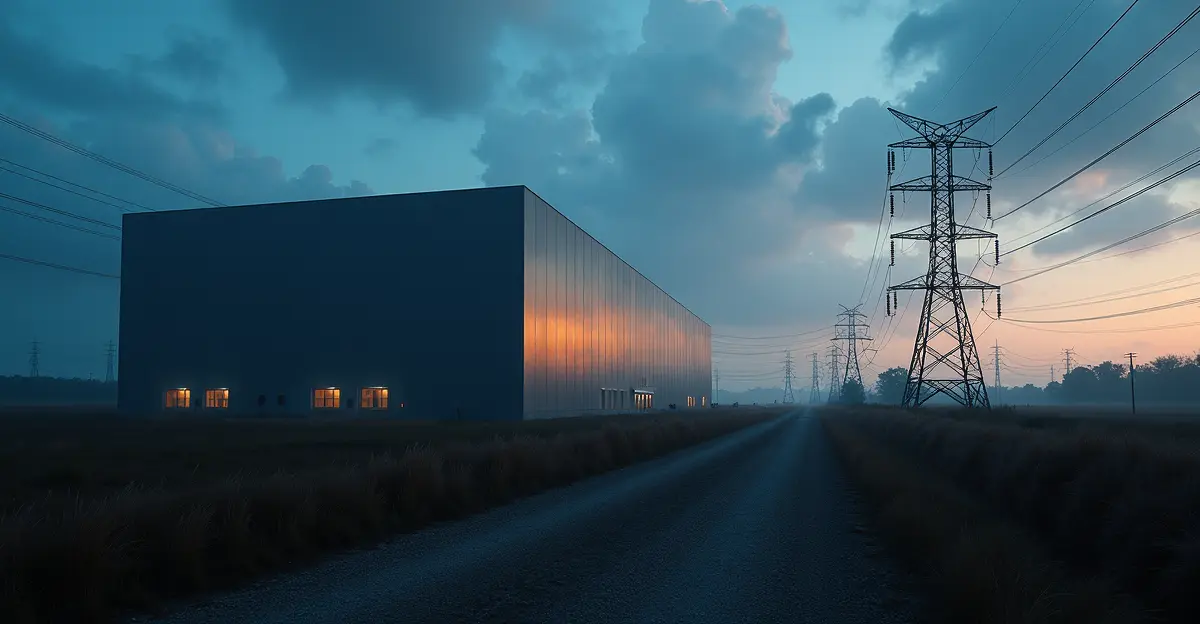
Even if electricity were available, delivering it to data centres is a separate bottleneck. Grid interconnection queues now stretch three to seven years in many U.S. markets—far longer than the 18–24 months needed to build a data centre. McKinsey projects data centres will need $6.7 trillion in global investment by 2030, with total capacity demand nearly tripling from 82 gigawatts in 2025 to 219 GW by 2030. Gas turbines are reportedly sold out through 2030, and transformer supply chains are tightening.
Industry Pivot: Behind-the-Meter Power and Hybrid Cooling
To bypass public grid constraints, operators are turning to on-site power generation, behind-the-meter fuel cells, and hybrid dry-cooling technologies. Fuel cell deployments are accelerating—projects by Bloom Energy, Equinix, and others exceed 100 MW. Renewables now account for 40% of corporate power purchase agreements, and small modular reactor agreements have grown from 25 to 45 GW. Hybrid dry-cooling systems reduce water use by combining air and evaporative cooling, offering near-zero direct water consumption.
This pivot reflects a broader energy transition for technology strategy. As the IEA notes, efficiency gains per AI task are being erased by surging usage, making infrastructure innovation the decisive factor.
What This Means for Global Policy
The AI power ceiling is now a strategic issue for climate, energy, and technology policy. The UN report argues that judging sustainability by carbon alone hides water and land trade-offs, and that burdens fall unequally on hosting regions such as Ireland, Mexico, and Uruguay. Policymakers face a choice: accelerate grid modernization and water conservation, or accept that AI growth will be capped by physical limits. The global AI regulation debate is increasingly focused on infrastructure accountability.
FAQ
How much electricity did AI data centers consume in 2026?
AI data centers consumed an estimated 565 TWh of electricity globally in 2026, a 26% increase from 447 TWh in 2025.
Why is grid capacity the binding constraint on AI growth?
Grid interconnection queues can take three to seven years, while building a data center takes only 18–24 months, and cumulative grid upgrades require $6.7 trillion through 2030.
How much water does a data center use per day?
A typical facility uses about 300,000 gallons of water per day, with hyperscale sites reaching up to 5 million gallons daily.
What technologies are AI companies using to bypass grid limits?
Companies are adopting behind-the-meter fuel cells, on-site gas generation with battery storage, renewables, small modular reactors, and hybrid dry-cooling systems.
What does the UN report say about AI data center electricity use by 2030?
The UN warns that data centres could consume nearly triple the combined annual electricity of Pakistan, Bangladesh, and Nigeria by 2030.


Follow Discussion