


 Deutsch
 English
 Español
 Français
 Nederlands
 Português


 Share
Share




The Anatomy of a Supply Shock
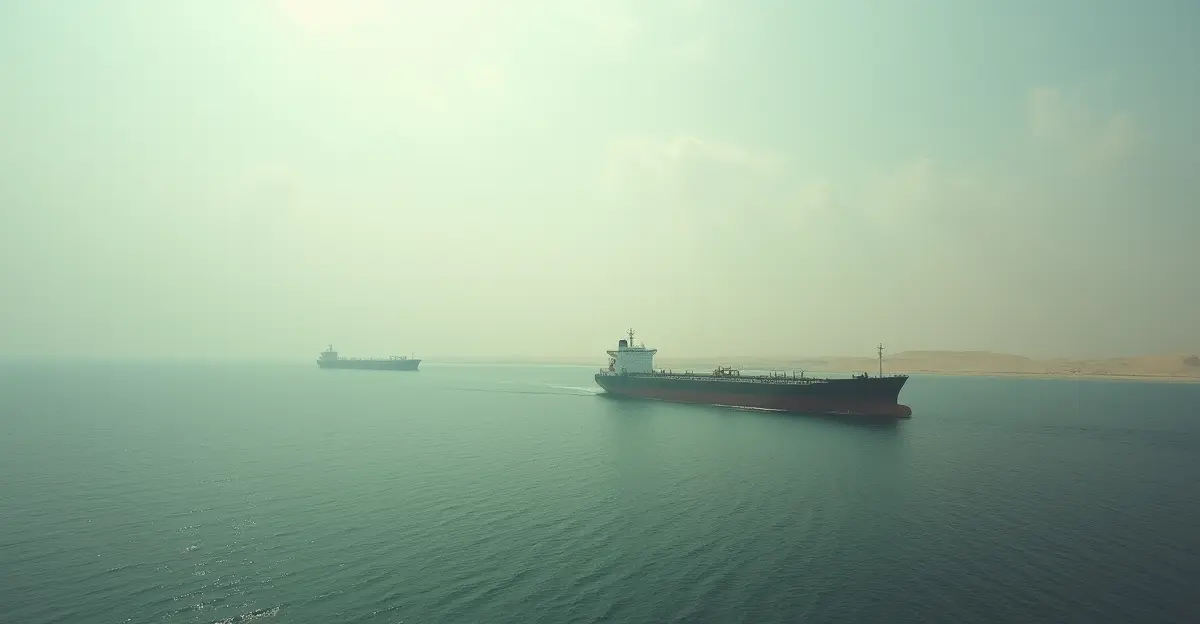
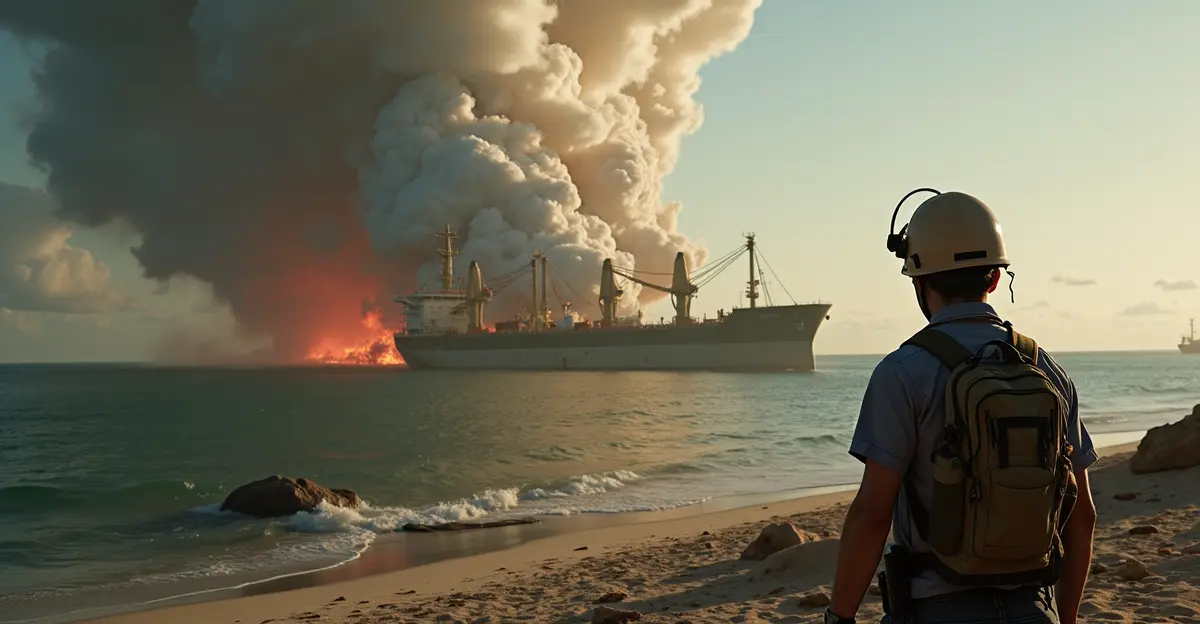
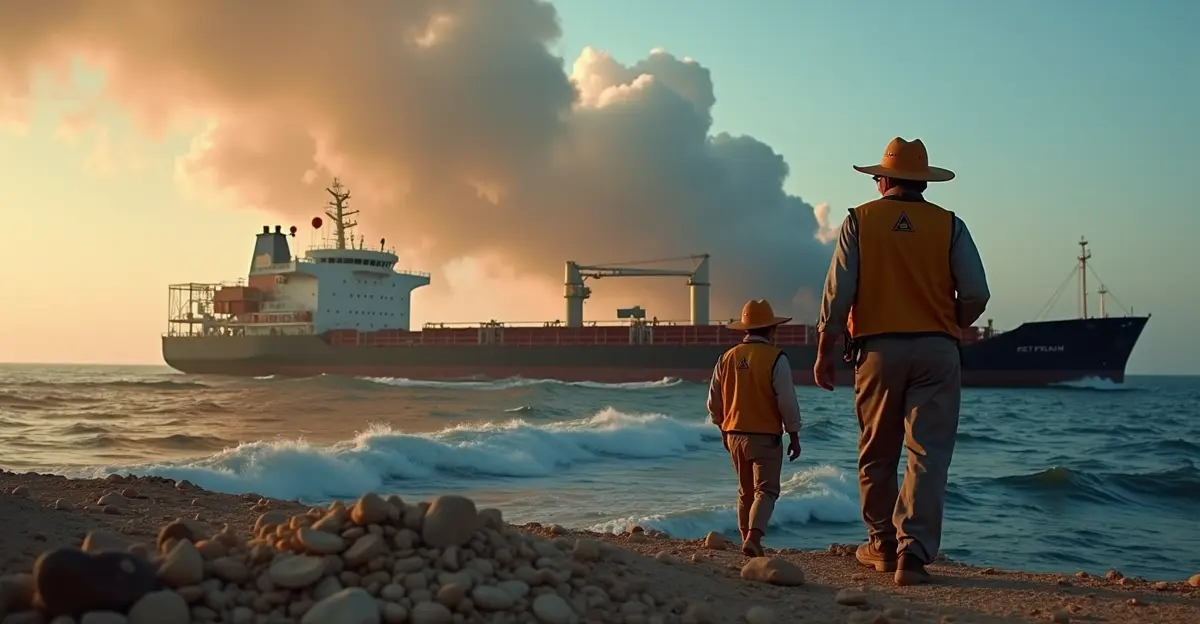
The Strait of Hormuz, a narrow 21-nautical-mile-wide channel between Iran and Oman, normally handles approximately 20% of global liquefied natural gas and 25% of seaborne oil trade. Its effective closure on 4 March 2026 — after Iran deployed naval mines and anti-ship missiles in response to coalition airstrikes — severed the primary export route for Saudi Arabia, Iraq, Kuwait, Qatar, Bahrain, and the United Arab Emirates. By mid-March, Saudi Arabia and Iraq had cut production because onshore storage reached capacity after 10 days without tanker loadings. QatarEnergy declared force majeure on all LNG exports. The IEA responded with a record 400-million-barrel coordinated emergency release, but the scale of the disruption overwhelmed available spare capacity. "This is not simply a price spike — it is a structural rupture in the global energy architecture," said Dr. Nadia El-Amin, senior energy analyst at the Oxford Institute for Energy Studies. "No previous disruption, including the 1973 Arab oil embargo, removed over 10 million barrels per day from global markets in a single month."Trade Blocs Harden: A World Dividing
The crisis has accelerated the bifurcation of global trade into three distinct blocs: the U.S.-led G7 alignment, the EU's strategic autonomy framework, and the China-led BRICS+ constellation. This trade fragmentation was already underway before the conflict — driven by semiconductor export controls, critical mineral nationalism, and diverging sanctions regimes — but the energy shock has turned latent divisions into active fault lines.The Western Alliance Under Strain
The EU-US Turnberry trade deal, signed in July 2025 and in force since 1 July 2026, was designed to stabilize transatlantic commerce with a 15% tariff ceiling. Yet the energy crisis has exposed divergent interests: European economies, heavily dependent on Middle Eastern crude and LNG, face industrial shutdowns, while the United States — now the world's largest oil producer — has been comparatively insulated.China's Parallel Architecture
Beijing has moved aggressively to secure alternative supply routes, including expanded pipeline imports from Russia and Central Asia. China's crude throughput, however, fell to 14.86 million barrels per day as the crisis intensified. The China-Russia energy corridor has become a strategic lifeline, reinforcing the BRICS+ bloc's push for de-dollarized commodity trading and a new reserve currency framework.The Developing World Debt Trap
The most acute pain is being felt across developing economies. The UN's mid-2026 World Economic Situation and Prospects report forecasts developing-economy inflation accelerating from 4.2% in 2025 to 5.2% in 2026, driven by disrupted fertilizer supplies, surging food import bills, and elevated freight and insurance costs. Countries already grappling with sovereign debt distress — including Pakistan, Egypt, Ghana, and Sri Lanka — now face impossible trade-offs between servicing creditors and subsidizing fuel and food. Capital flight has intensified, with an estimated $80 billion exiting emerging-market bond and equity funds in the first quarter of 2026 alone. "We are witnessing a cascading solvency crisis," said Dr. Carlos Mendez, lead economist at the UN Conference on Trade and Development. "The Strait of Hormuz closure is not just an energy event — it is a food security emergency for over 40 net-importing nations."Energy Security Reimagined
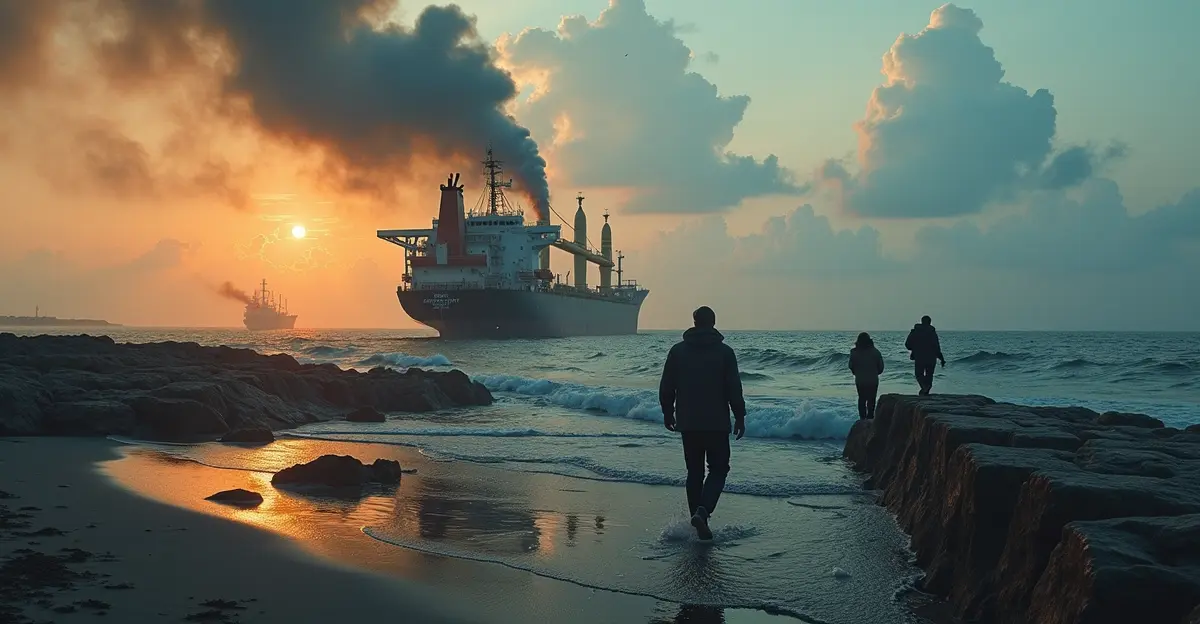
The crisis is reshaping energy security architecture in real time. Strategic petroleum reserves, long considered adequate buffers, have proven insufficient against a disruption of this magnitude. Japan and South Korea have imposed fuel price caps; Bangladesh has curtailed university operations to conserve power. The Gulf Cooperation Council's economic model — built on uninterrupted hydrocarbon exports and food imports through the Strait — faces existential questions. Iranian strikes on desalination plants, which supply 99% of Kuwait's and Qatar's drinking water, have transformed the crisis from a fiscal contraction into a humanitarian emergency.Frequently Asked Questions
What caused the Strait of Hormuz closure in 2026?
The closure followed U.S.-Israeli coalition airstrikes on Iranian nuclear and military facilities in February 2026. Iran retaliated by mining the strait and deploying coastal anti-ship missile batteries, effectively blocking the passage for all commercial traffic.
How much oil supply has been lost?
The IEA reported that global oil supply fell by 10.1 million barrels per day in March 2026, making it the largest single-month supply disruption in history. Cumulative losses exceeded 1.3 billion barrels by mid-2026.
What is the impact on global economic growth?
The IMF and UN both downgraded 2026 global growth forecasts to 2.5% in April 2026, citing the conflict as the primary driver. The UN projects only a modest recovery to 2.8% in 2027, with downside risks dominating the outlook.
Which countries are most affected?
Gulf Cooperation Council states face the most direct impact, but developing economies in South Asia, Africa, and Latin America are suffering severe debt and food insecurity pressures. China, Japan, and South Korea have implemented emergency fuel conservation measures.
Can the global economy withstand this shock?
While modern economies are less oil-intensive than during the 1970s, the scale and duration of the disruption make this qualitatively different. The emerging bipolar trade order lacks the cooperative mechanisms to mount a coordinated global response, increasing systemic risk.

Follow Discussion