


 Deutsch
 English
 Español
 Français
 Nederlands
 Português


 Share
Share




Putin Arrives in Beijing for High-Stakes Summit with Xi Jinping
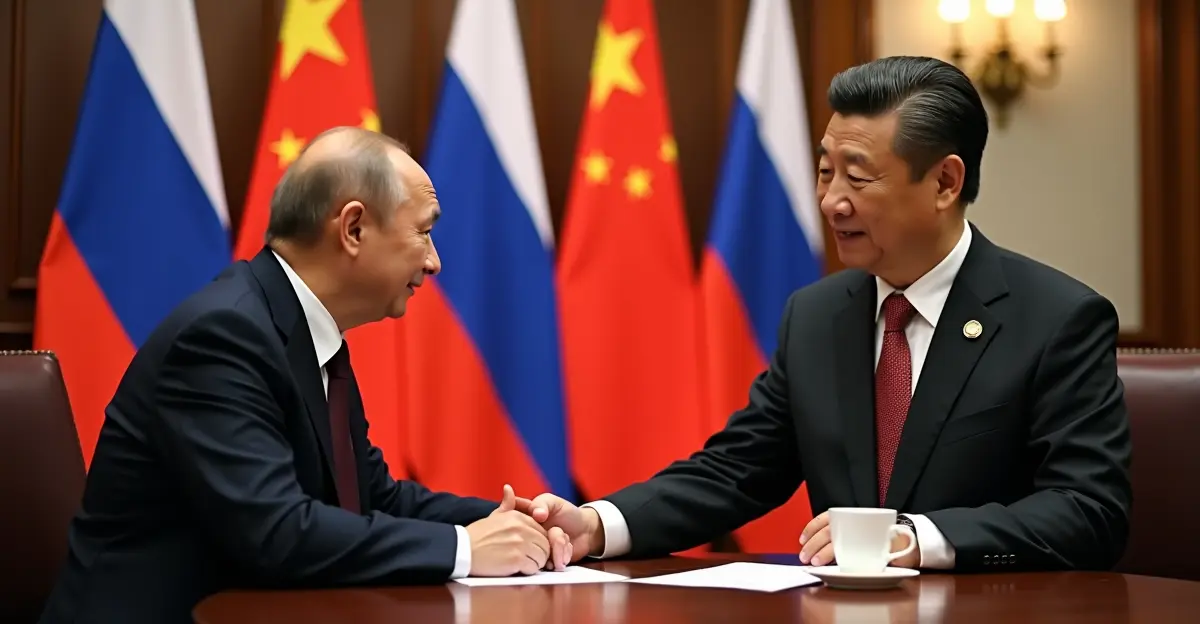
Russian President Vladimir Putin arrived in Beijing on May 19, 2026, for a two-day state visit with Chinese counterpart Xi Jinping, just days after U.S. President Donald Trump concluded his own summit in the Chinese capital. The back-to-back diplomatic engagements underscore China's central role in global geopolitics and highlight the delicate balancing act Beijing must perform between its strategic partnership with Moscow and its complex economic relationship with Washington.
The visit marks the 25th anniversary of the Treaty of Good-Neighbourliness, Friendship and Cooperation between Russia and China, originally signed in 2001 and upgraded to an 'unlimited partnership' in February 2022, just days before Russia launched its full-scale invasion of Ukraine. According to Russia-correspondent Joost Bosman, the timing of Putin's visit — coming immediately after Trump's — reveals a 'power play' between China, Russia, and the United States.
Xi's Private Assessment of Putin's Ukraine Regret
According to a Financial Times report, Xi Jinping told Donald Trump during their summit that Putin may ultimately 'regret' the 2022 invasion of Ukraine. The remark, which China's Foreign Ministry has since denied as 'completely false,' would represent Xi's first known personal assessment of Putin's strategic decision. 'I think Putin does regret invading Ukraine,' Bosman said in an interview, noting that the comment does not come out of nowhere.
However, China also sees advantages from the ongoing war. Bosman pointed to a remark by China's former Foreign Minister who said last year that Beijing could pursue its own agenda as long as the war in Ukraine continues, because the U.S. and the West are preoccupied. The Russia-Ukraine war dynamics continue to reshape global alliances.
Energy Dominates the Agenda
Oil and Gas: The Core of a Transactional Relationship
Energy cooperation lies at the heart of the Putin-Xi talks. Russia, heavily sanctioned by the West since 2022, has pivoted its energy exports eastward. China has become Russia's largest buyer of oil and gas, purchasing discounted crude and natural gas that Moscow can no longer sell to European markets.
'Putin will mainly want to sell a lot of oil to China,' Bosman explained, 'but also talk about additional gas supplies.' Russia's Gazprom recently signed a legally binding memorandum for the Power of Siberia 2 pipeline, a 50 billion cubic meter-per-year project that would transport gas from West Siberia to northern China via Mongolia for 30 years. However, negotiations have stalled over pricing and contract terms, with China holding significant leverage as Russia's economic pressures mount.
Bilateral trade between Russia and China has surged to record levels since 2022, with China now absorbing over a quarter of Russia's exports. However, Russia's economy faces mounting pressures, with growth forecasts slashed to just 0.4%. The China-Russia energy partnership remains crucial for Moscow's war efforts and economic survival.
A Shared Vision of a Multipolar World
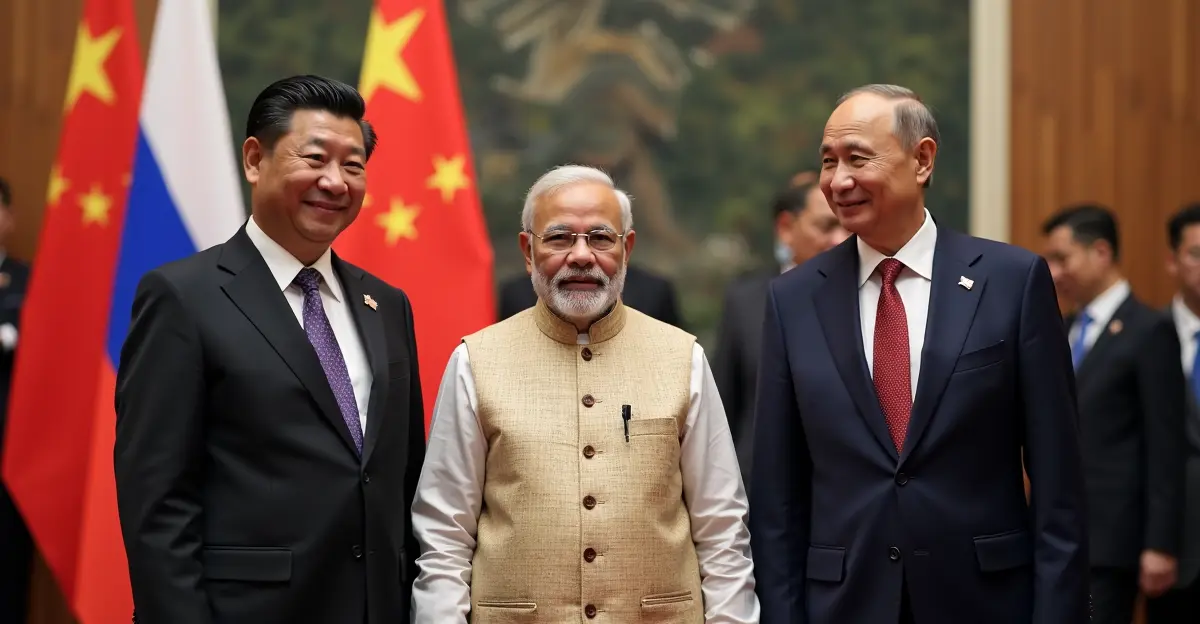
Beyond energy, Putin and Xi are expected to discuss a shared vision of a multipolar world order less dominated by U.S.-led alliances. In a video message ahead of his visit, Putin stated that Russia and China are ready to support each other on a wide range of topics, including national unity and protection of sovereignty. He emphasized that the friendship between the two countries is 'not directed against anyone' but is focused on peace and prosperity.
Bosman described the relationship as primarily 'transactional,' with Russia having the most to gain and China holding the upper hand. A key binding factor, he said, is their 'shared aversion to Western hegemony,' specifically American dominance. Around 40 documents are expected to be signed during the visit, covering areas from trade and finance to regional security and de-dollarization efforts.
Global Implications and the US Factor
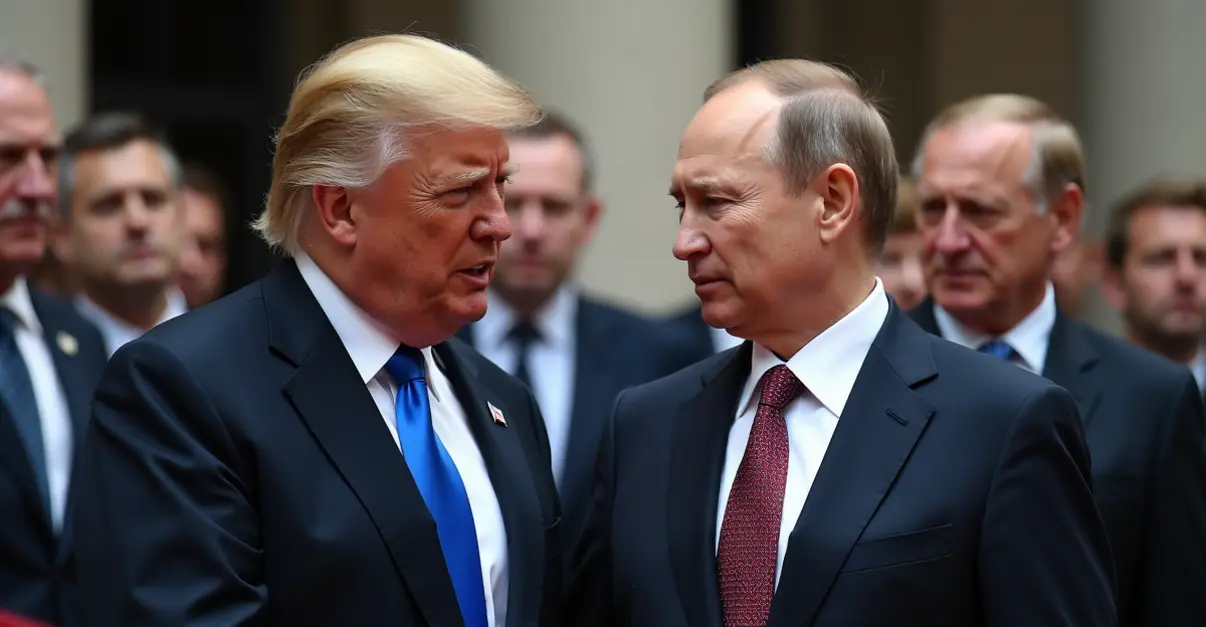
The back-to-back visits by Trump and Putin highlight China's unique position as a diplomatic hub. Trump's proposal — reportedly suggesting that the U.S., China, and Russia cooperate against the International Criminal Court — adds another layer of complexity. Meanwhile, the U.S. has extended waivers on Russian oil sanctions, and the US Russia sanctions policy continues to evolve.
For Russia, the visit is a crucial test of whether China's improved ties with Washington will weaken their strategic partnership. For China, it is an opportunity to demonstrate its growing global influence while maintaining its balancing act between two major powers. The outcome of these talks will have significant implications for energy markets, global supply chains, and the trajectory of the Ukraine war.
Frequently Asked Questions
Why is Putin visiting China in May 2026?
Putin is visiting Beijing for a state summit with Xi Jinping to mark the 25th anniversary of the Russia-China Treaty of Good-Neighbourliness, and to discuss energy deals, trade, and geopolitical coordination amid the Ukraine war and shifting U.S. relations.
What did Xi tell Trump about Putin's Ukraine invasion?
According to a Financial Times report, Xi told Trump that Putin may 'regret' the 2022 invasion of Ukraine — a remark China has denied. If accurate, it would mark Xi's first personal assessment of Putin's decision.
What is the Power of Siberia 2 pipeline?
Power of Siberia 2 is a proposed 50 billion cubic meter-per-year gas pipeline from West Siberia to northern China via Mongolia, with a 30-year supply agreement. It is a key agenda item for Putin's visit, though pricing disputes remain unresolved.
How has the Ukraine war changed Russia-China relations?
The war has deepened Russia's economic dependence on China, with bilateral trade surging to record levels. China has become Russia's largest energy buyer and a crucial source of technology and dual-use goods, offsetting Western sanctions.
What does China gain from its partnership with Russia?
China benefits from discounted oil and gas, a reliable energy supply, and a strategic ally to counter U.S. dominance. The partnership also allows China to advance its de-dollarization agenda and pursue its own geopolitical interests with reduced Western scrutiny.

Follow Discussion