


 Deutsch
 English
 Español
 Français
 Nederlands
 Português


 Share
Share




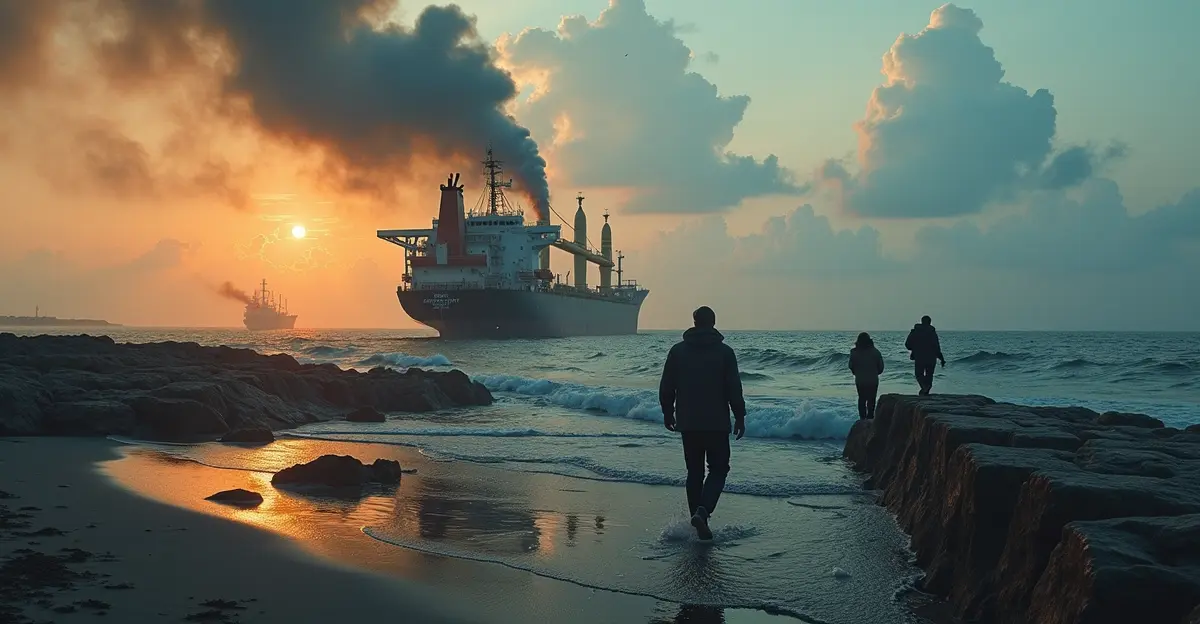
The prolonged disruption of the Strait of Hormuz in early 2026 has removed nearly 20% of global oil supply, sending Brent crude above $130 per barrel and exposing the structural fragility of energy-dependent economies. This crisis, which began with Iran's IRGC closure on March 2, 2026, is simultaneously accelerating three strategic shifts: a race toward energy independence via renewables and nuclear, a realignment of global trade alliances away from petro-dollar systems, and a re-evaluation of military commitments in the Persian Gulf by both Washington and Beijing. The convergence of energy scarcity with surging AI-driven electricity demand is creating a systemic bottleneck that will define geopolitical strategy for the rest of the decade.
Context: The Largest Oil Supply Disruption in History
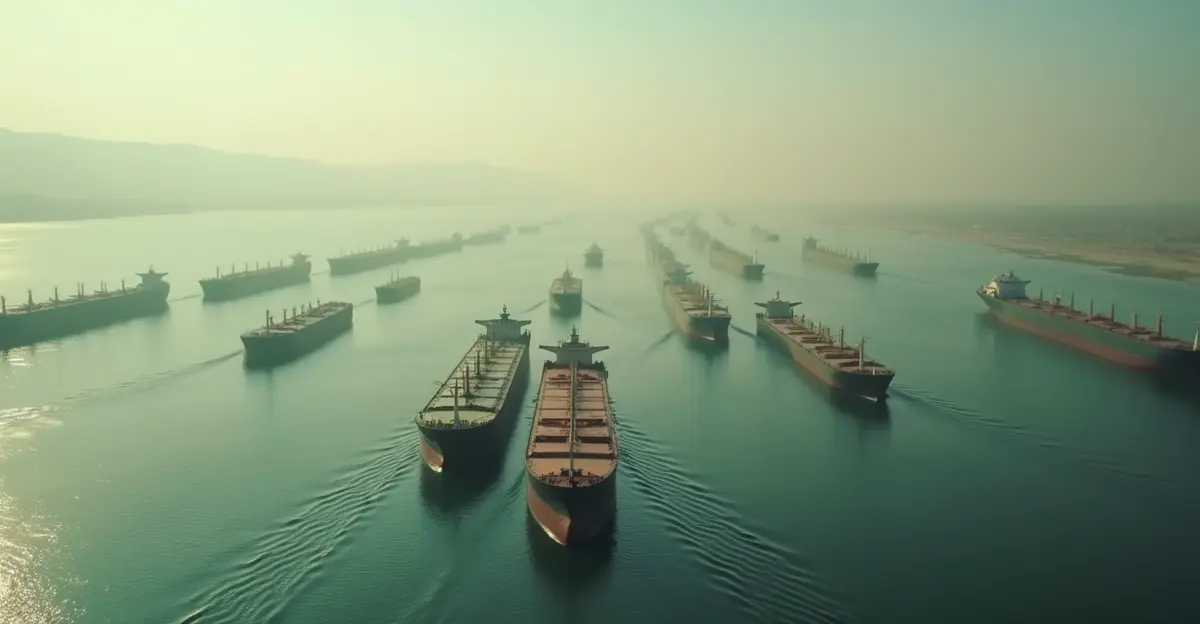
The Strait of Hormuz, a narrow waterway between the Persian Gulf and the Gulf of Oman, normally sees the transit of roughly 13 million barrels per day (mb/d) of crude oil — about one-fifth of global consumption. Since hostilities erupted on February 28, 2026, ship traffic through the Strait has dropped by 97%, according to UNCTAD. The International Energy Agency (IEA) has called it the largest supply disruption in oil market history, with cumulative losses exceeding 360 million barrels in March alone. The Dallas Federal Reserve's real-time modeling warns that the closure could lower global real GDP growth by an annualized 2.9 percentage points in Q2 2026, with oil prices potentially rising to $115–$132 per barrel if the blockade persists.
Brent futures surged ~64% from $72/bbl to a peak of $118/bbl, while physical crude reached approximately $150/bbl. War-risk premiums for Very Large Crude Carriers (VLCCs) soared from 0.125% to as high as 5% of hull value per transit — roughly $5 million per voyage. Major container lines including Maersk, CMA CGM, and Hapag-Lloyd continue rerouting via the Cape of Good Hope, adding ~3,800 nautical miles and $40–50 million per week in extra costs fleet-wide.
Three Strategic Shifts Reshaping Global Power
1. The Race Toward Energy Independence
The crisis has supercharged investments in renewable energy and nuclear power. Countries heavily dependent on Persian Gulf oil — particularly in Asia, which receives 84% of crude and 83% of LNG transiting the Strait — are fast-tracking domestic energy projects. The European Union has accelerated its Green Deal targets, while Japan and South Korea have announced major nuclear reactor restarts. India, which imports roughly 60% of its oil via the Strait, has doubled its solar capacity targets for 2026. The International Renewable Energy Agency (IRENA) reports a 40% surge in global renewable energy investment in Q1 2026 compared to the same period in 2025.
2. Realignment of Global Trade Alliances
The petro-dollar system, long a cornerstone of global finance, is facing unprecedented strain. Several major oil importers, including China and India, have accelerated bilateral currency swap agreements to bypass dollar-denominated oil transactions. The BRICS+ bloc has proposed a new commodity-trading mechanism that would reduce reliance on the US dollar. Meanwhile, the US dollar's reserve currency status faces headwinds as Gulf states diversify their investment portfolios away from US Treasuries. The Dallas Fed notes that the shipping cost increase from the blockade — independent of oil price effects — has completely offset the disinflationary impact of the recent US tariff reversal, leaving core PCE inflation close to zero change from baseline forecasts.
3. Re-Evaluation of Military Commitments
The crisis has triggered a global defense buildup with $400 billion in new commitments announced in the first quarter of 2026. The United States has reinforced its naval presence in the Persian Gulf, while China has deployed its first carrier strike group to the Arabian Sea, signaling its intent to protect energy supply routes. The US-China strategic competition in the region has intensified, with both powers vying for influence over Gulf states. A Pakistan-brokered ceasefire on April 8 allowed limited reopening, but Iran formally re-closed the Strait on April 18, citing ceasefire breaches. The fragility of the truce underscores the high stakes for global energy security.
Impact on Developing Economies
UNCTAD warns that developing economies face the most severe consequences from the resulting food and fuel price shocks. The Strait carries 30–35% of globally traded crude oil, 20% of natural gas, and 20–30% of fertilizers. Fertilizer prices are projected to surge 31%, potentially affecting up to 45 million additional people. The UN Food and Agriculture Organization (FAO) cautions that while current global food stocks provide a temporary buffer, the upcoming planting season faces critical fertilizer shortages. Without timely inputs, farmers may see lower yields, driving up food prices later in 2026. The crisis could escalate further with climate shocks or export restrictions. FAO urges avoiding trade barriers, protecting vulnerable households, and pursuing diplomatic solutions to prevent a 'perfect storm' of food insecurity.
The AI-Electricity Bottleneck
Compounding the energy crisis is the surging electricity demand from artificial intelligence data centers. Global AI-related power consumption is projected to grow by 30% annually through 2030, according to the International Energy Agency. The Strait of Hormuz disruption has tightened natural gas markets, which are critical for electricity generation in many regions. This convergence of energy scarcity and AI-driven demand is creating a systemic bottleneck that will define geopolitical strategy for the rest of the decade. Countries that can secure reliable, affordable energy will have a competitive advantage in the AI race, while those dependent on volatile fossil fuel imports risk falling behind.
Expert Perspectives
"The Strait of Hormuz crisis is a wake-up call for the entire global energy system," says Dr. Fatima Al-Sayed, a geopolitical analyst at the Gulf Research Center. "We are witnessing a fundamental reordering of energy security priorities that will last well beyond the current disruption." Ricardo Reyes-Heroles of the Dallas Federal Reserve adds: "The reopening timeline critically determines the severity and duration of the economic damage. Every week the Strait remains closed compounds the macroeconomic impact."
FAQ
What caused the Strait of Hormuz disruption in 2026?
The disruption began on February 28, 2026, following the outbreak of military conflict between Iran and US-led forces. Iran's IRGC announced the closure of the Strait to US and Israel-allied shipping on March 2, 2026.
How much oil passes through the Strait of Hormuz daily?
Approximately 13 million barrels per day (mb/d) of crude oil, representing about one-fifth of global consumption, along with significant volumes of LNG and fertilizers.
What is the economic impact of the crisis?
The Dallas Federal Reserve models a 2.9 percentage point reduction in global real GDP growth in Q2 2026, with oil prices potentially reaching $115–$132 per barrel. Shipping costs have surged 750–900% on some routes.
How are developing economies affected?
UNCTAD warns that developing nations face the most severe consequences due to higher food and fuel prices, with fertilizer prices projected to surge 31% and up to 45 million additional people at risk of food insecurity.
What are the long-term implications?
The crisis is accelerating a global shift toward energy independence via renewables and nuclear power, realigning trade alliances away from the petro-dollar system, and prompting a re-evaluation of military commitments in the Persian Gulf.
Conclusion: A Defining Moment for Geopolitical Strategy
The Strait of Hormuz crisis of 2026 is more than a temporary supply disruption — it is a structural inflection point for global energy security, trade alliances, and military strategy. The convergence of energy scarcity with AI-driven electricity demand will define geopolitical competition for the rest of the decade. As the world grapples with the fallout, the choices made now — in energy investment, diplomatic engagement, and military posture — will shape the global order for years to come.
Follow Discussion