


 Deutsch
 English
 Español
 Français
 Nederlands
 Português


 Share
Share




What is Federal Reserve Independence?
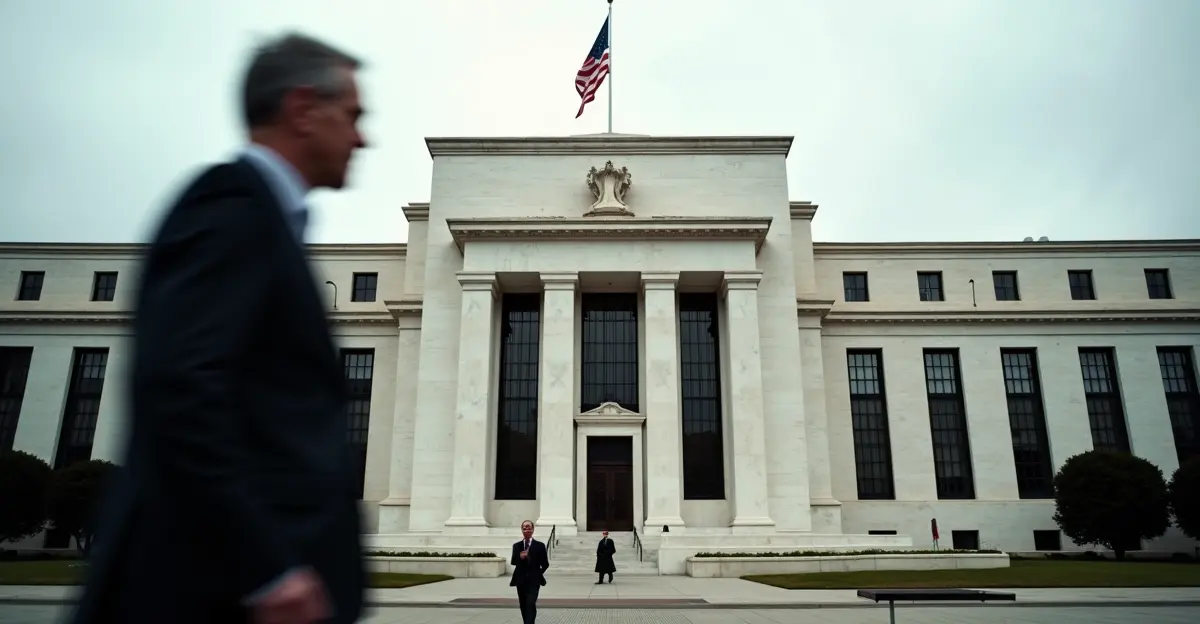
Federal Reserve independence refers to the central bank's ability to make monetary policy decisions free from political interference, a cornerstone of modern economic governance that has faced unprecedented challenges in 2026. In a landmark ruling on March 13, 2026, U.S. District Chief Judge James E. Boasberg quashed Justice Department subpoenas targeting Federal Reserve Chair Jerome Powell, declaring there was 'no evidence' of criminal wrongdoing and that the investigation appeared politically motivated to pressure Powell on interest rate decisions.
Background: The Legal Battle Over Central Bank Autonomy
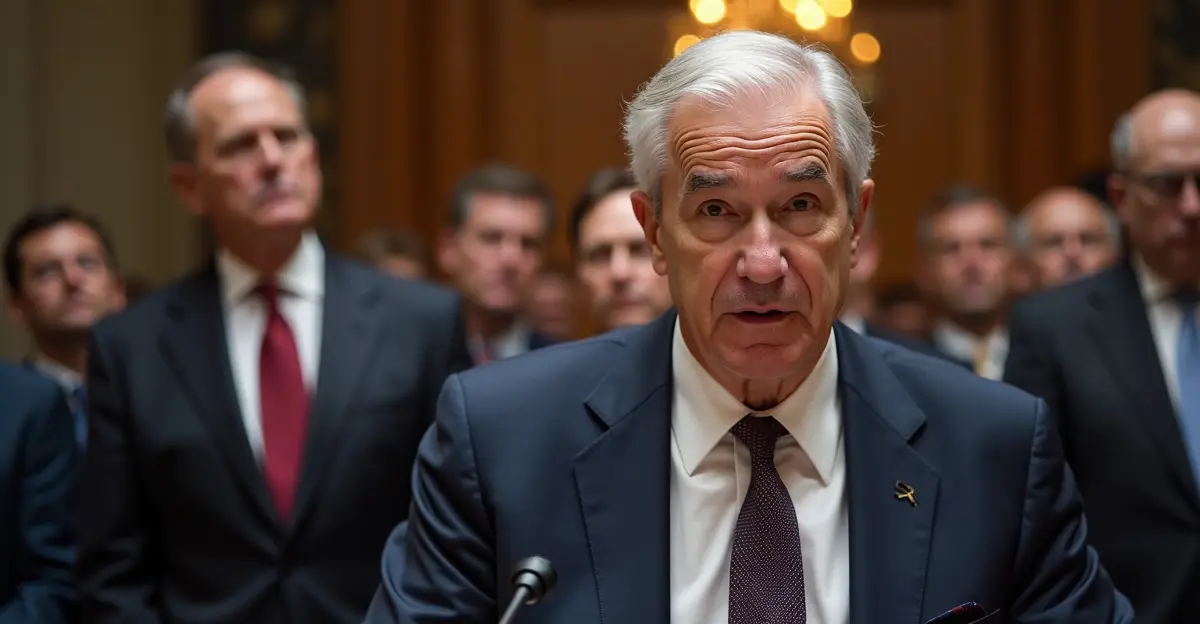
The legal confrontation began in January 2026 when the Justice Department, under U.S. Attorney Jeanine Pirro, issued grand jury subpoenas investigating Powell's testimony about a $3 billion renovation project at Federal Reserve headquarters. Powell responded with an unusually combative video statement, accusing the administration of using federal prosecutors to interfere with the central bank's interest rate decisions. This marked an escalation in the ongoing tension between the Trump administration and the Fed, which has seen over 100 public statements from President Trump attacking Powell and demanding lower interest rates.
Similar to the 2025 central bank independence crisis in Turkey, the U.S. case represents a fundamental challenge to institutional autonomy. The Federal Reserve's independence has been a bedrock principle since its establishment, designed to prevent politicians from manipulating monetary policy for short-term political gain at the expense of long-term economic stability.
The Judge's Ruling: A Defense of Institutional Integrity
Chief Judge Boasberg's 28-page ruling delivered a comprehensive rebuke to the Justice Department's investigation. The judge found 'abundant evidence' that the subpoenas were 'pretextual' and intended to 'harass Powell for displeasing the President' rather than investigate legitimate criminal concerns. Specifically, the court noted:
- The timing of subpoenas coincided with White House criticisms of Powell's interest rate policies
- President Trump's public statements demanding Powell lower rates or resign
- The investigation's focus on renovation costs appeared disproportionate to alleged concerns
- No credible evidence of criminal activity by Powell or Fed officials
The judge concluded: 'The only apparent purpose of these subpoenas is to pressure Chairman Powell until he yields to presidential demands or makes way for a chairperson who will.' This ruling establishes a judicial firewall protecting central bank independence by preventing criminal investigative tools from being used to influence monetary policy decisions.
Political Context: Trump's Pressure Campaign
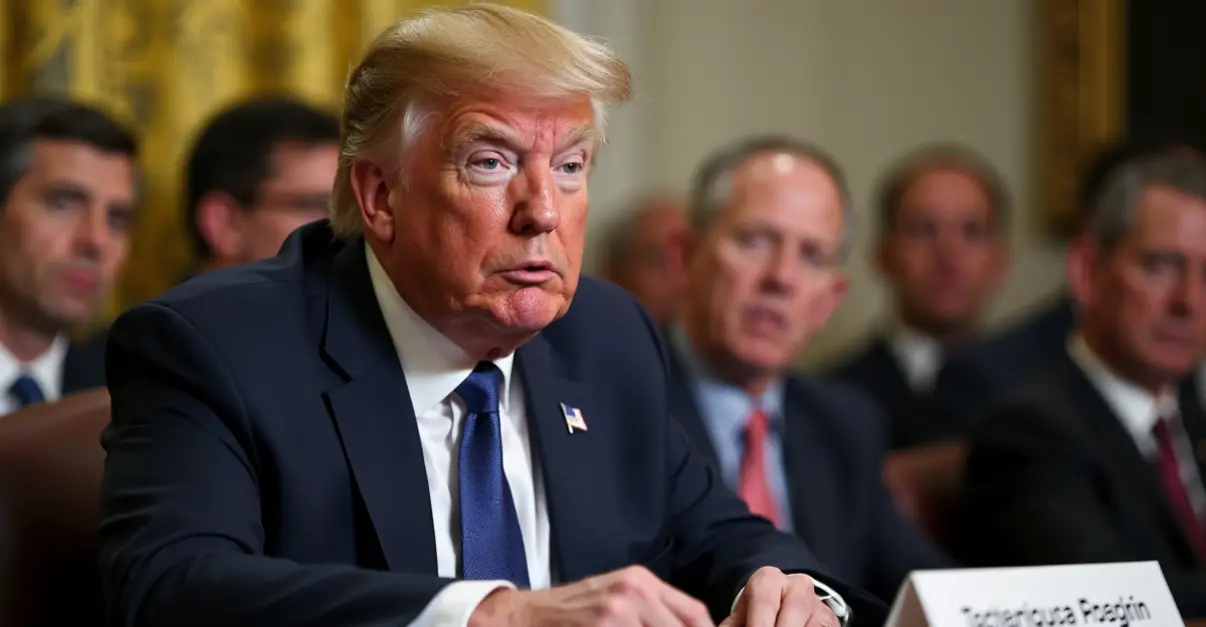
President Trump's campaign against Federal Reserve independence represents an unprecedented challenge to institutional norms. Since returning to office, Trump has:
- Publicly attacked Powell as 'Too Late Jerome' for not cutting interest rates faster
- Nominated Kevin Warsh to replace Powell when his term expires in May 2026
- Attempted to fire Fed Governor Lisa Cook in 2025 (a move later blocked by another judge)
- Made over 100 statements pressuring the Fed on interest rates
Unlike previous presidents who occasionally criticized Fed decisions, Trump's approach represents a systematic effort to undermine the central bank's autonomy. This mirrors patterns seen in authoritarian-leaning governments that seek direct control over monetary policy, though the U.S. judiciary has now intervened to maintain institutional checks and balances.
Economic Implications and Market Response
The legal victory for Federal Reserve independence has significant implications for global financial markets and economic stability. Following the ruling:
- U.S. Treasury yields stabilized after initial volatility
- The dollar index showed modest strengthening
- Global central banks, including the European Central Bank and Bank of England, expressed support for Powell
- Financial institutions praised the decision as protecting market stability
'This ruling preserves the sanctity of central bank operations and sets a precedent for protecting independent federal agencies from undue executive pressure,' noted legal analyst Michael Chen. The decision reinforces that the Federal Reserve must operate free from political coercion to maintain credibility in inflation management and stable financial markets.
Legal Precedent and Future Challenges
Judge Boasberg's ruling establishes important legal precedents for central bank independence:
- Criminal investigative tools cannot be used to influence monetary policy decisions
- Executive branch pressure on independent agencies faces judicial scrutiny
- Evidence of political motivation can invalidate otherwise legitimate investigations
- The judiciary serves as a check on executive overreach toward independent institutions
However, the Justice Department has announced it will appeal the decision, meaning the legal battle continues. Additionally, with Powell's term ending in May 2026 and Trump nominating Kevin Warsh as his replacement, the future of Federal Reserve independence remains uncertain. The Senate confirmation process for Warsh will likely become a battleground over central bank autonomy.
FAQ: Federal Reserve Independence Explained
Why is Federal Reserve independence important?
Federal Reserve independence allows monetary policy decisions to be based on economic data rather than political considerations, preventing politicians from manipulating interest rates for short-term electoral gain at the expense of long-term economic stability.
What was Powell accused of?
Powell faced investigation over his testimony regarding $3 billion in renovations to Federal Reserve buildings, but the judge found this was a pretext for pressuring him on interest rate decisions.
Has a Fed chair ever been prosecuted before?
No Federal Reserve chair has ever faced criminal investigation or prosecution, making this case historically unprecedented in U.S. central banking history.
What happens next in the legal process?
The Justice Department plans to appeal Judge Boasberg's decision, while Powell's term ends in May 2026 with Kevin Warsh nominated as his replacement.
How do other central banks view this situation?
Global central banks have expressed concern about the threat to Federal Reserve independence, viewing it as potentially destabilizing for international financial markets.


Follow Discussion