


 Deutsch
 English
 Español
 Français
 Nederlands
 Português


 Share
Share




Trump's Fed Pick Signals Major Monetary Policy Shift
In a move that could reshape American monetary policy for years to come, former President Donald Trump has officially nominated Kevin Warsh to succeed Jerome Powell as Chair of the Federal Reserve. The announcement, made on January 30, 2026, comes after months of speculation and represents Trump's latest effort to exert influence over the nation's central bank.
From Former Governor to Potential Chair
Kevin Warsh, 55, brings significant Federal Reserve experience to the role, having served as a Fed governor from 2006 to 2011 during the tumultuous years of the financial crisis. His background includes stints at Morgan Stanley and as Special Assistant to the President for Economic Policy under President George W. Bush. Trump praised his nominee on Truth Social, writing: 'I know Kevin for a long time and have no doubt he will become one of the GREAT Fed Chairmen, maybe the best.'
Warsh's nomination marks a significant shift from his previous reputation as a monetary hawk who advocated for higher interest rates to control inflation. In recent months, however, he has aligned himself with Trump's calls for rate cuts despite persistent inflation concerns in the United States.
Political Pressure and Fed Independence
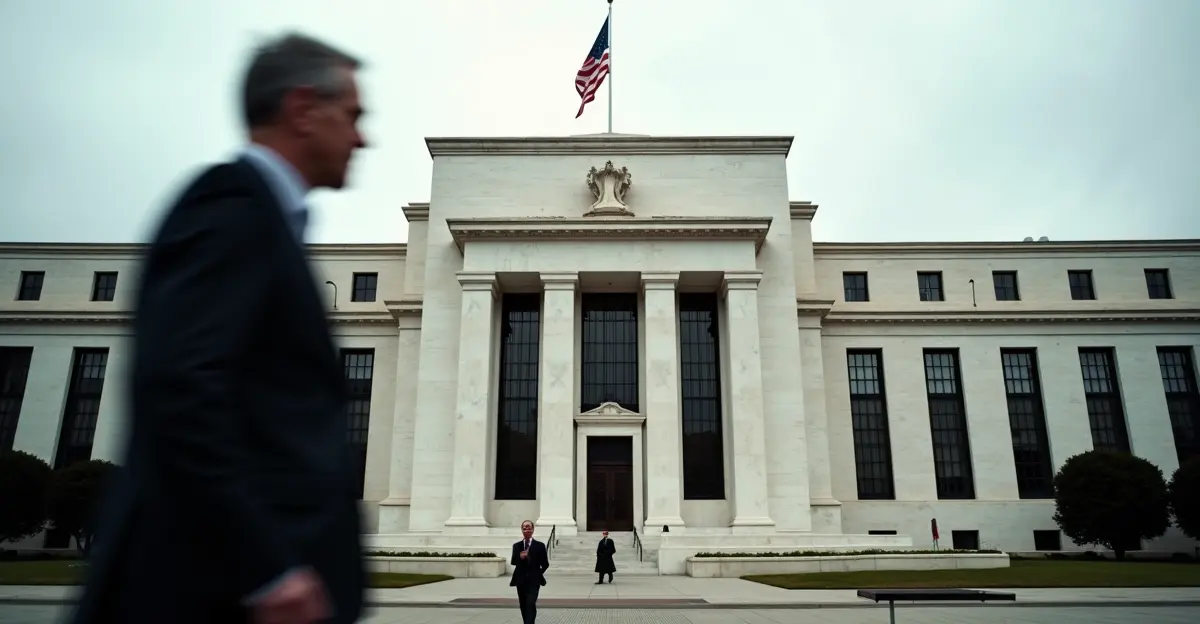
The nomination occurs against a backdrop of unprecedented political pressure on the Federal Reserve. Trump has waged a year-long campaign urging the central bank to lower interest rates more aggressively, claiming that current policy costs the economy 'hundreds of billions of dollars.' The Fed has resisted this pressure, maintaining rates at 3.5%-3.75% in its January 2026 meeting.
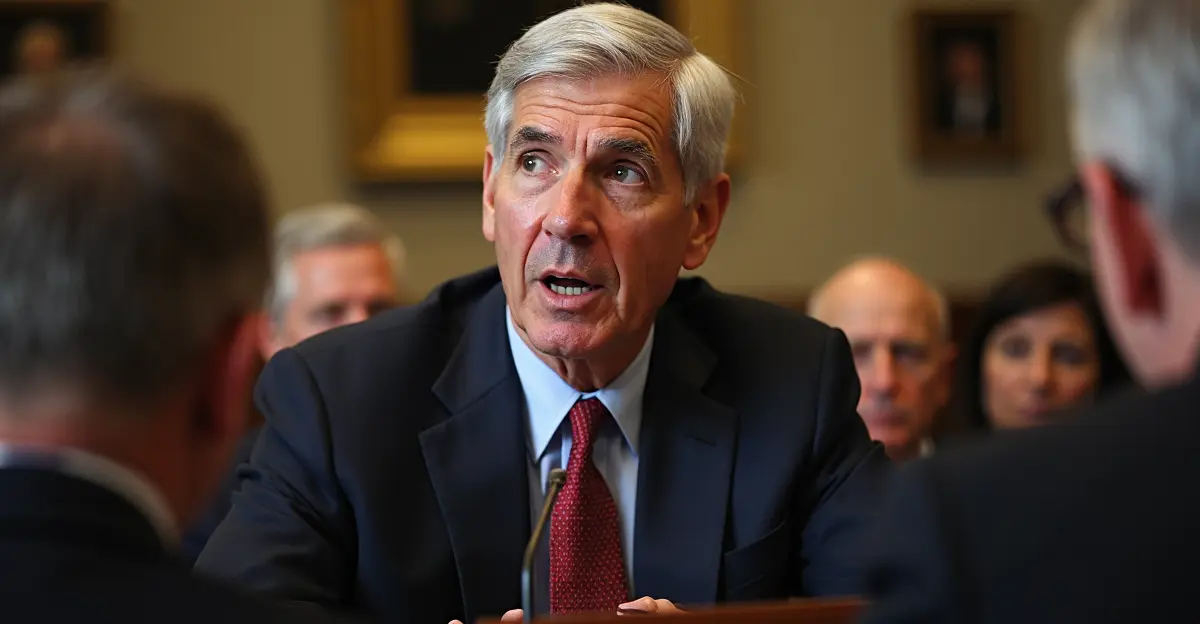
Economists widely view Federal Reserve independence as crucial for maintaining price stability and economic credibility. 'Monetary policy must be based on economic evidence rather than political pressure,' current Chair Jerome Powell has stated repeatedly during his tenure.
Senate Hurdles and Political Opposition
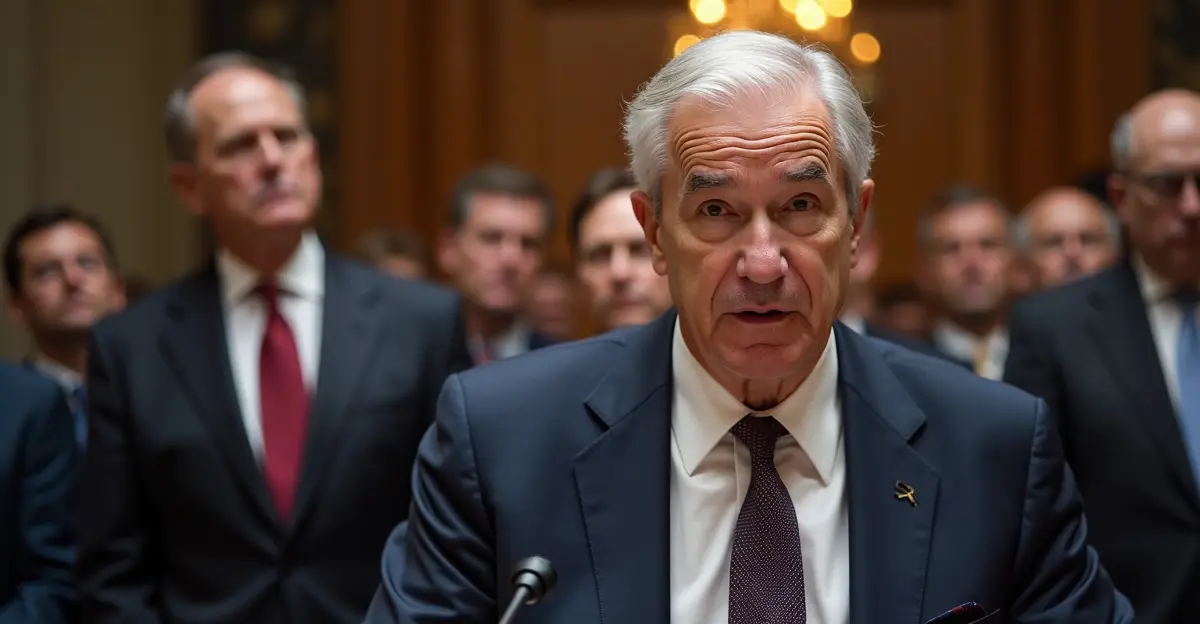
Warsh's confirmation faces significant obstacles in the Senate, where Republican Senator Thom Tillis has vowed to block all Fed nominations until the Justice Department's criminal investigation into Powell is resolved. 'Protecting Fed independence from political interference is non-negotiable,' Tillis stated, according to CNBC reporting.
The investigation, which focuses on Powell's testimony about Fed headquarters renovation costs, has been characterized by Powell as politically motivated retaliation for his refusal to cut rates as aggressively as Trump demanded. Democratic Senator Elizabeth Warren has also criticized the nomination, calling it part of Trump's attempt to 'seize control of the Fed.'
Market Implications and Global Concerns
Financial markets have reacted cautiously to the news, with analysts noting that Warsh's previous Fed experience and Wall Street connections could provide stability. However, concerns remain about potential erosion of Fed independence. Global central banks have expressed support for Powell, highlighting the importance of maintaining the Fed's credibility as the world's most influential monetary authority.
If confirmed, Warsh would take office in May 2026 when Powell's term expires. The transition could create a complex scenario, as Powell could potentially remain on the Fed board as a governor for two more years, creating an unusual dynamic between outgoing and incoming leadership.

Follow Discussion