


 Deutsch
 English
 Español
 Français
 Nederlands
 Português


 Share
Share




Central Bankers Worldwide Defend Fed Independence
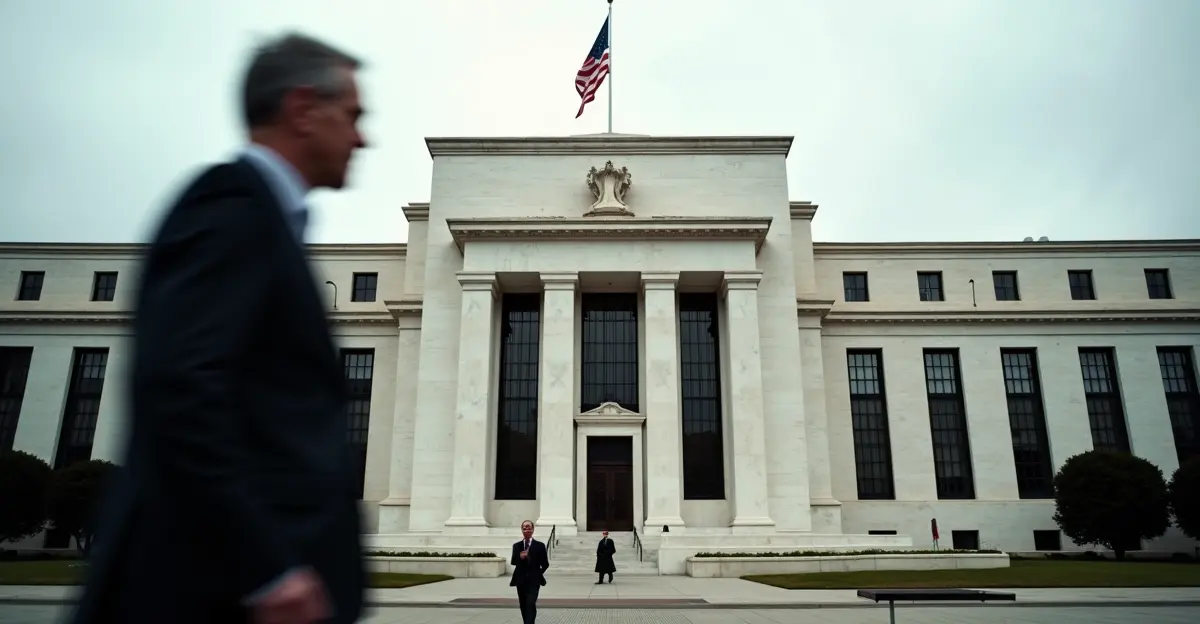
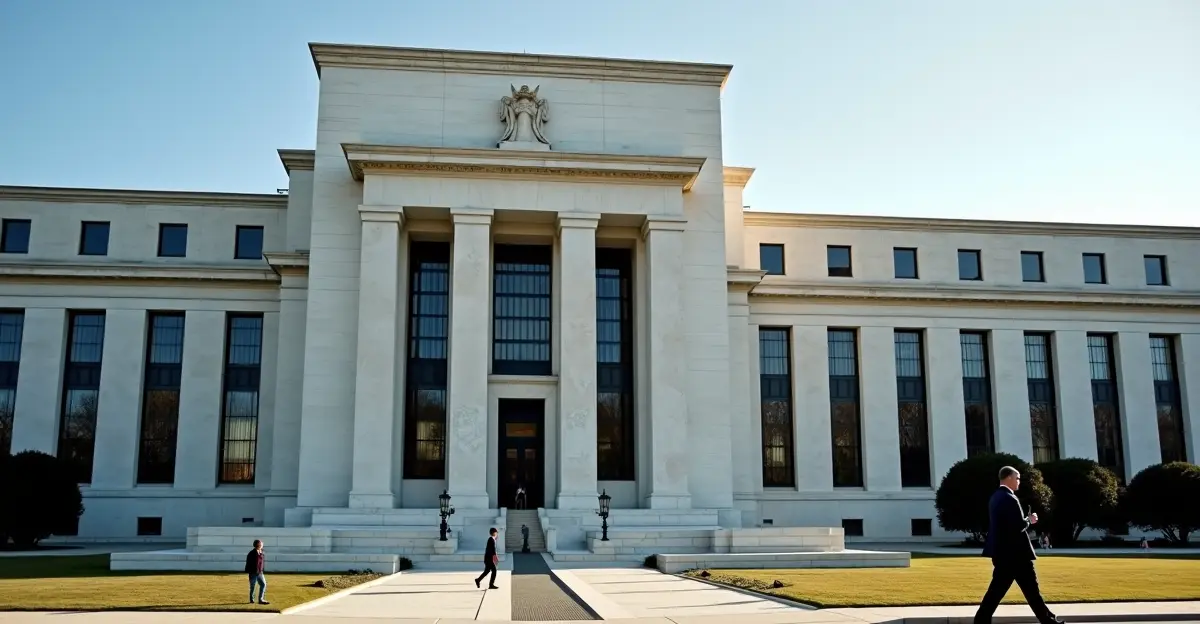
In an unprecedented show of solidarity, central bankers from across the globe have issued a joint statement expressing full support for Federal Reserve Chair Jerome Powell, who faces a criminal investigation by the U.S. Department of Justice. The probe, which Powell has characterized as a 'pretext' to undermine the Fed's independence, centers on his testimony about a $2.5 billion renovation of the Federal Reserve's Washington headquarters.
Political Pressure on Monetary Policy
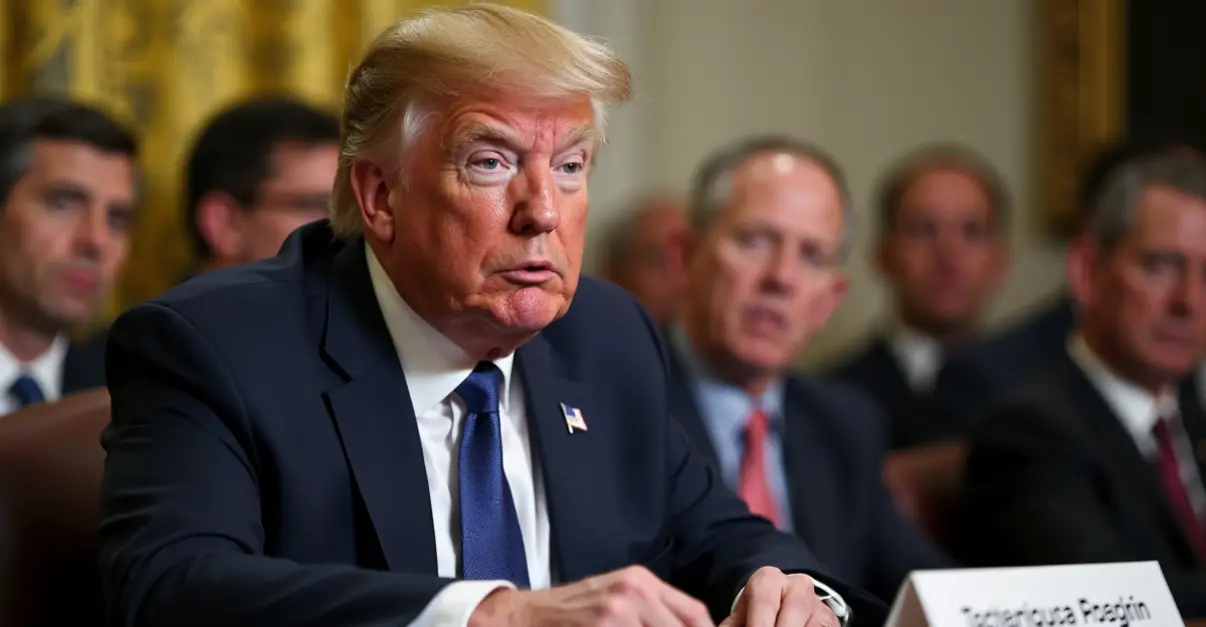
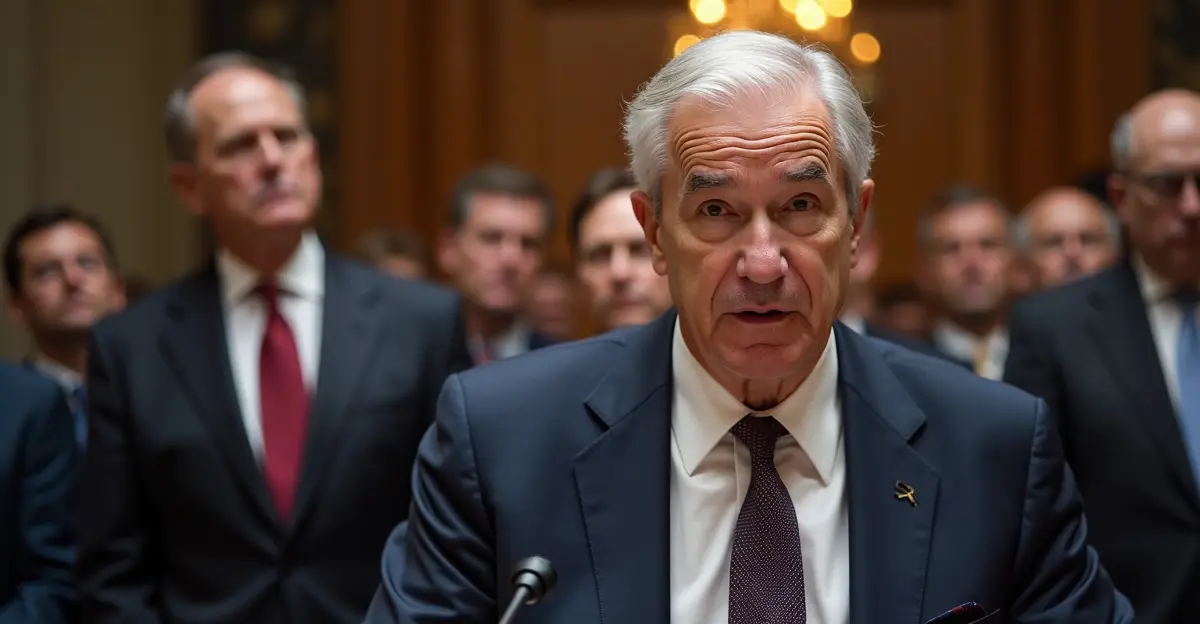
The investigation represents a dramatic escalation in President Donald Trump's ongoing battle with the independent central bank. Powell stated in a video address that the Justice Department's actions stem from the Fed's refusal to lower interest rates faster to align with presidential preferences. 'The threat of criminal charges results from the Fed setting interest rates to serve the public interest, rather than following the president's preferences,' Powell declared.
The European Central Bank, Bank of England, Swiss National Bank, Bank of Canada, and central banks from South Korea, Australia, Brazil, Sweden, and Denmark all signed the solidarity statement. 'We stand fully behind Chair Jerome Powell,' the ECB wrote in its official statement, emphasizing that 'central bank independence is a cornerstone of price, financial, and economic stability.'
Historical Context of Fed Independence
The Federal Reserve's independence is a fundamental feature of the U.S. monetary system. Governors are appointed to staggered 14-year terms specifically to insulate monetary policy from political cycles. As detailed on Wikipedia, the Fed's structure ensures that 'members function mostly independently' once confirmed by the Senate.
This independence has come under unprecedented pressure during the Trump administration. The president has repeatedly criticized Powell for not lowering interest rates more aggressively, despite concerns that premature rate cuts could fuel inflation. Earlier attempts to remove Fed Governor Lisa Cook were blocked by courts, establishing important precedents for central bank autonomy.
Broader Implications for Global Finance
The international response highlights how central bank independence is viewed as essential for global economic stability. 'This raises serious questions about the Justice Department's independence and credibility,' said Republican Senator Thom Tillis, who has emerged as a vocal critic of the investigation within Trump's own party.
Even Trump's Treasury Secretary, Scott Bessent, expressed concerns about the subpoena, telling Axios that it 'creates a mess' and could destabilize financial markets. The Dutch Central Bank (DNB) also joined the international statement, reflecting Europe's concern about potential spillover effects on global monetary policy coordination.
What Comes Next?
The confrontation sets up a constitutional test of central bank independence in the world's largest economy. As reported by USA Today, the investigation focuses on whether Powell misled Congress about cost overruns in the Fed's building renovation project. However, most observers see this as a proxy battle over who controls U.S. monetary policy.
The outcome will determine whether the Federal Reserve can continue making interest rate decisions based on economic data rather than political pressure—a principle that has guided central banking for decades and is now being defended by financial institutions worldwide.

Follow Discussion