


 Deutsch
 English
 Español
 Français
 Nederlands
 Português


 Share
Share




Senator Tillis Drops Opposition, Clearing Path for Warsh
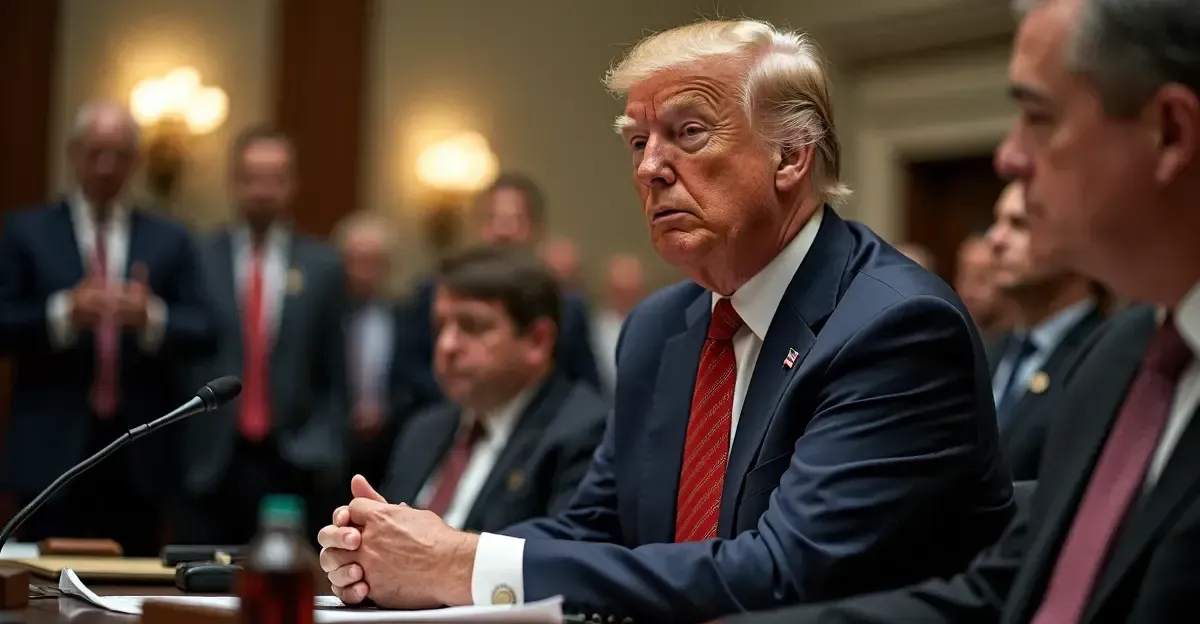
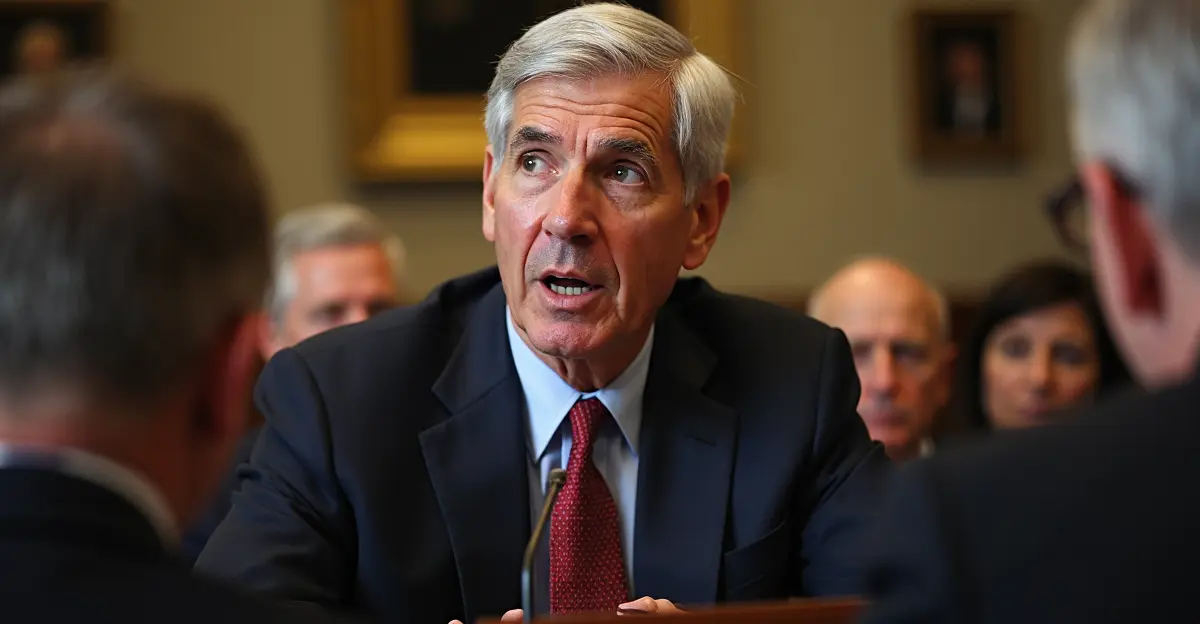
Republican Senator Thom Tillis has announced he will vote to confirm Kevin Warsh as the next chair of the Federal Reserve, a major reversal that all but ensures Warsh's nomination will succeed. Tillis told NBC News on Sunday that he now supports Warsh, removing his earlier threat to block the appointment until the Justice Department concluded an investigation into the central bank. The probe, which examined the Fed's headquarters renovation and Chair Jerome Powell's congressional testimony, was closed on Friday, removing the last major hurdle for Warsh's confirmation. Powell's term expires in May.
The Kevin Warsh Fed chair nomination has been one of the most closely watched financial stories of 2026, with markets and policymakers weighing the implications of a leadership change at the world's most powerful central bank. Tillis's reversal signals that the Senate Banking Committee is likely to approve Warsh, after which a full Senate vote would follow.
Background: The Justice Department Investigation
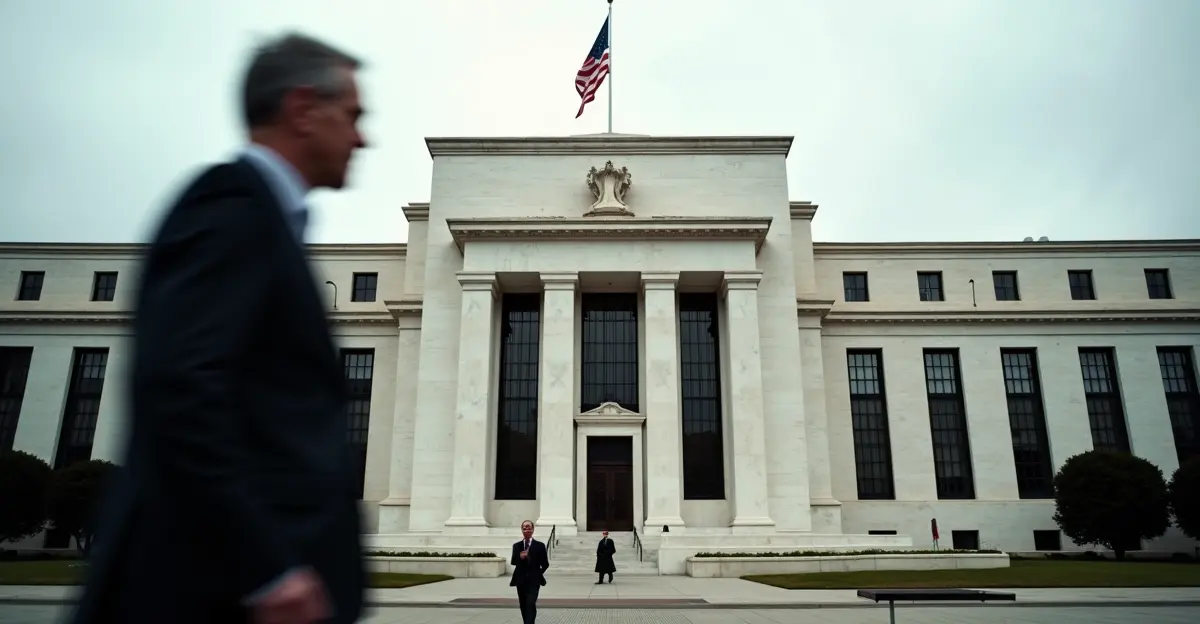
The Justice Department had been investigating the Federal Reserve over the renovation of its Washington, D.C., headquarters and Powell's testimony about the project. Tillis, a Republican from North Carolina, had previously stated he would block any nominee until the probe was resolved. With the investigation now closed, the senator said he sees no further reason to delay Warsh's confirmation.
'The Department of Justice has concluded its review, and there is no basis to hold up the nomination any longer,' Tillis said in the NBC interview. 'Kevin Warsh is a highly qualified candidate who will bring stability and experience to the Fed.'
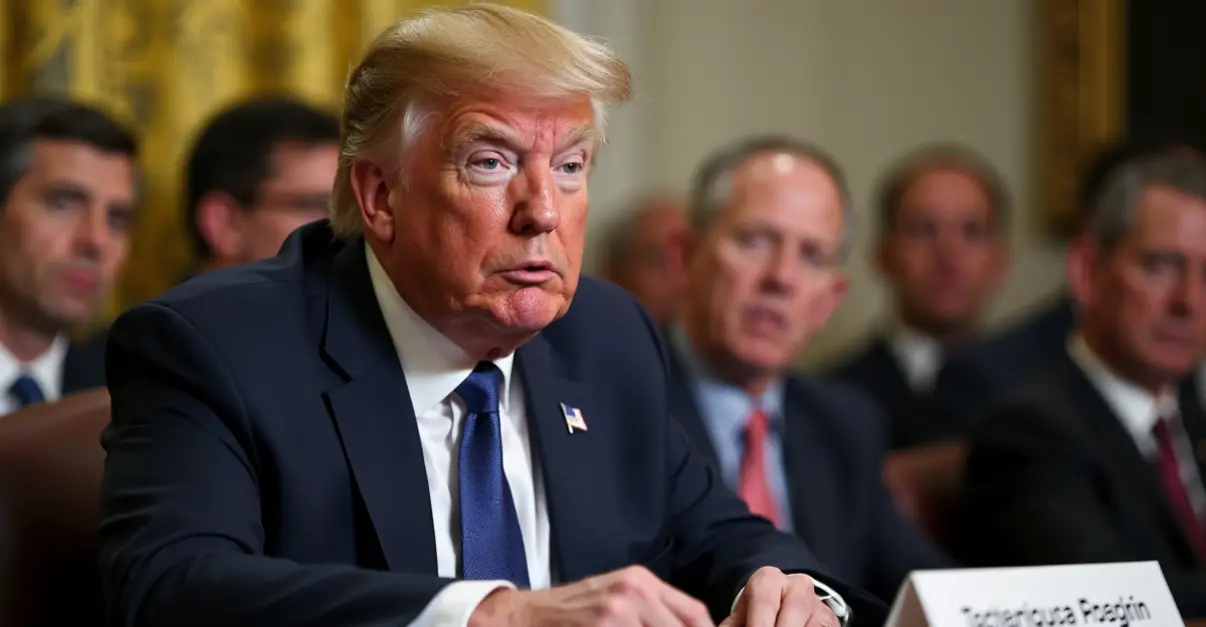
The investigation's closure and Tillis's shift come as a relief to the Trump administration, which has made Warsh's confirmation a top priority. President Donald Trump nominated Warsh in January 2026 to succeed Powell, whose term ends in May. Warsh, a former Fed governor who served from 2006 to 2011, is seen as a monetary policy hawk and a strong advocate for deregulation.
Who is Kevin Warsh?
Kevin Warsh, 56, is a financier and attorney who served on the Federal Reserve Board of Governors under President George W. Bush. He played a key role in the Fed's response to the 2008 financial crisis, including the rescue of Bear Stearns and the bailout of AIG. After leaving the Fed in 2011, he became a lecturer at Stanford Graduate School of Business and served on corporate boards. Warsh is known for his market-oriented approach and has been critical of the Fed's aggressive bond-buying programs under Powell.
His nomination has drawn both praise and criticism. Supporters argue that his experience during the 2008 crisis makes him uniquely qualified to lead the Fed through uncertain times. Critics, however, worry that his close ties to Wall Street and his hawkish views on inflation could lead to tighter monetary policy.
What This Means for the Federal Reserve
Warsh's confirmation would mark a significant shift in leadership at the Fed. Powell, a Republican appointed by Trump in 2018, has often clashed with the president over interest rate policy. Trump has publicly criticized Powell for keeping rates too high, and the investigation into the Fed's headquarters was widely seen as an attempt to pressure the central bank.
'Powell said earlier this year that the Trump administration was using the criminal investigation to exert pressure on the Fed's interest rate policy,' noted one analyst. With Warsh at the helm, analysts expect a more accommodative stance on rates, though Warsh has also warned about the risks of inflation.
The Federal Reserve interest rate policy under Warsh could see a shift toward more predictable, rule-based decision-making. Warsh has advocated for a clearer framework that reduces discretion in setting rates, a move that could please financial markets seeking certainty.
Senate Confirmation Process: Next Steps
The Senate Banking Committee must first approve Warsh's nomination before it goes to a full Senate vote. With Tillis now on board, the committee is expected to move quickly. Republicans hold a slim majority in the Senate, and Warsh is likely to face united Democratic opposition. However, with Tillis's support and the closure of the Justice Department probe, the path to confirmation appears clear.
If confirmed, Warsh would take office in May 2026, just as the Fed faces critical decisions on interest rates and quantitative tightening. The 2026 economic outlook and Fed policy will be shaped by Warsh's leadership, with markets closely watching his first moves.
Market and Global Reactions
Financial markets have reacted positively to the news of Tillis's support. The S&P 500 rose in early trading on Monday, and the US dollar strengthened against major currencies. Investors view Warsh as a steady hand who is likely to maintain the Fed's independence while pursuing a more transparent policy framework.
Global central banks are also watching closely. The European Central Bank and the Bank of Japan have both signaled that they expect continuity in US monetary policy. However, some emerging-market economies worry that a more hawkish Fed could lead to capital outflows and currency volatility.
Frequently Asked Questions
When will Kevin Warsh become Fed chair?
Warsh's confirmation is expected in May 2026, following Senate approval. His term would begin immediately after Jerome Powell's term expires.
Why did Senator Tillis change his position?
Tillis had previously blocked the nomination pending the outcome of a Justice Department investigation into the Fed. With the investigation now closed, he said he sees no reason to delay.
What is Kevin Warsh's monetary policy stance?
Warsh is considered a monetary policy hawk who favors rule-based decision-making and is cautious about inflation. He has criticized the Fed's large-scale asset purchases.
How will Warsh's leadership affect interest rates?
Analysts expect Warsh to pursue a more predictable rate policy, potentially leading to rate cuts if inflation remains under control. However, he has warned about inflation risks.
What was the Justice Department investigation about?
The probe examined the Federal Reserve's renovation of its headquarters and whether Chair Powell misled Congress about the project. It was closed on Friday without charges.
Sources
This article is based on reporting from BNR Nieuwsradio, NBC News, and Wikipedia. Additional context from financial analysts and market data.

Follow Discussion