


 Deutsch
 English
 Español
 Français
 Nederlands
 Português


 Share





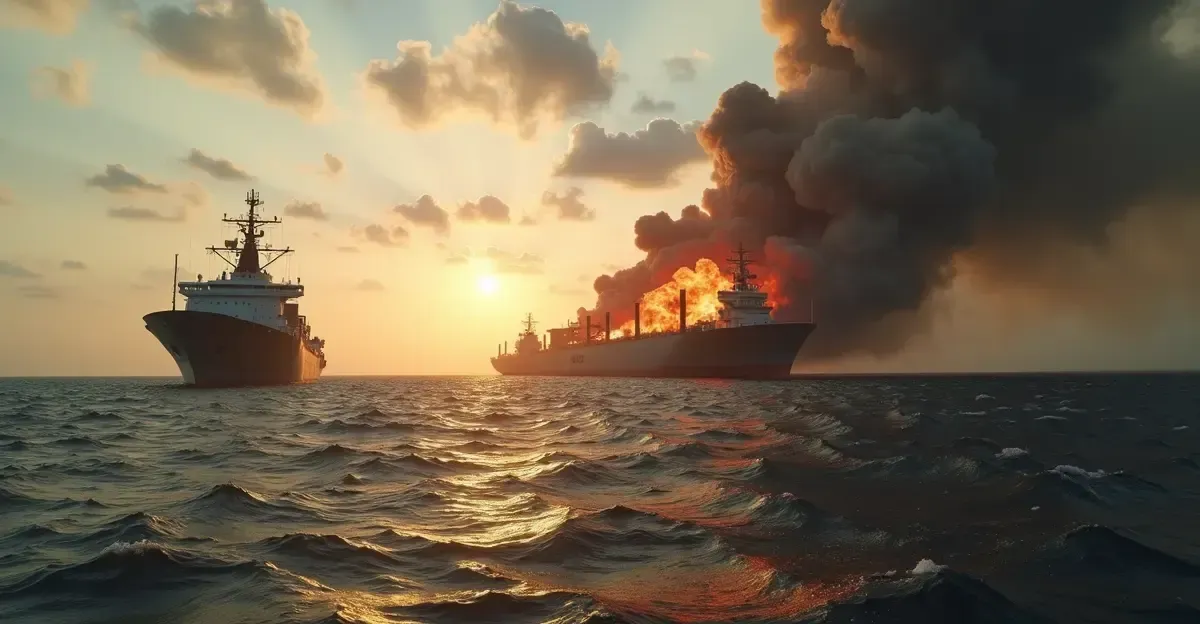
The United States launched its first military strike on Iran since last Tuesday's midterm elections, hitting the strategic island of Qeshm in the Strait of Hormuz on the evening of November 6, 2026. President Donald Trump confirmed the operation, describing it as 'a small attack' that destroyed Iranian air-defense artillery. Iranian state media reported two projectiles struck the Suza area of Qeshm, while Tehran's military claimed it shot down an American MQ-9 Reaper drone over the island. The strike follows months of escalating tension in an eight-month war that has already claimed at least 23 American lives and disrupted a waterway carrying roughly 20% of the world's oil.
What happened on Qeshm Island?
According to witnesses cited by Iranian state media, two projectiles slammed into the Suza district of Qeshm Island late on November 6, 2026. Residents reported hearing the sound of an aircraft overhead moments before the impacts. No immediate damage assessment was available, and US Central Command (CENTCOM) described the situation as 'relatively calm' in the hours after the strike. The operation was the first against Iran since Americans went to the polls on November 3, an election in which Trump's Republican Party suffered a major defeat. The president had reportedly delayed a larger, multi-day attack on Iran until after the vote, hoping to avoid political fallout — a strategy that did not prevent Republican losses. This follows a broader pattern of limited US strikes on Iranian coastal targets in the Gulf.
Why Qeshm Island matters in the Strait of Hormuz
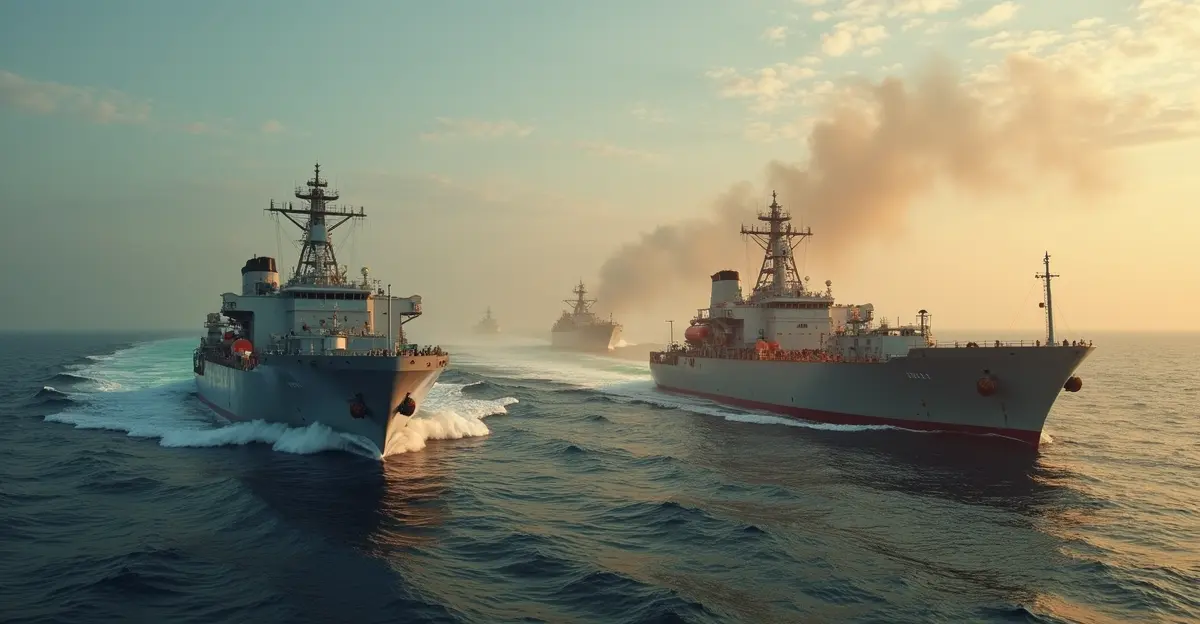
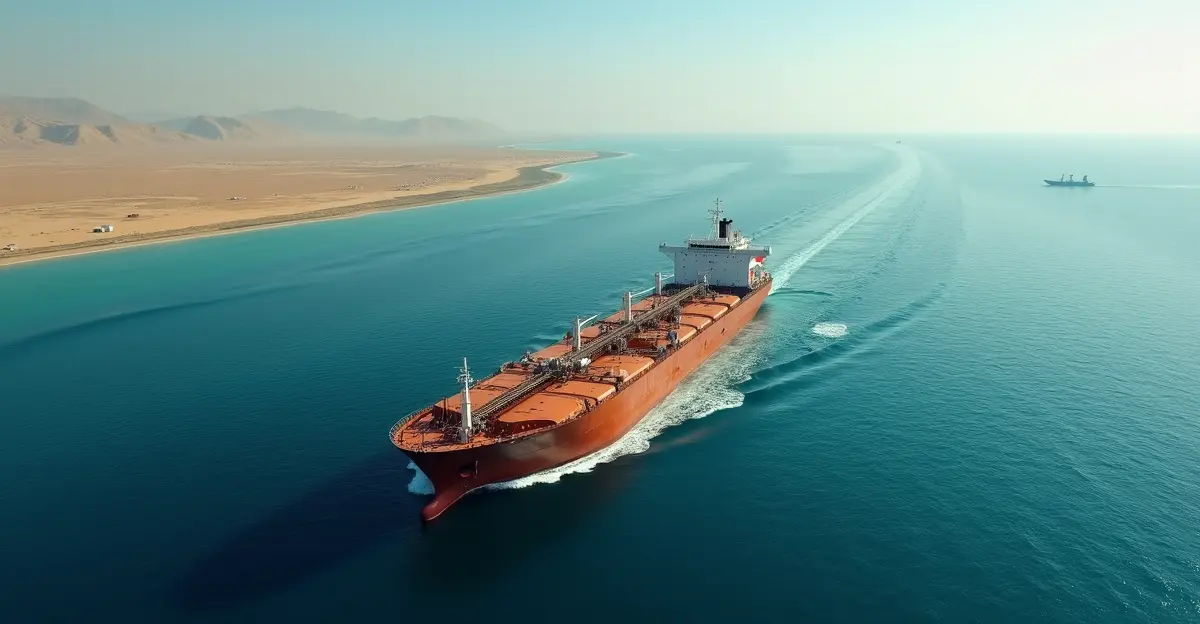
Qeshm is Iran's largest island, covering about 1,445 square kilometers and home to roughly 148,000 people. It lies only about 22 kilometers south of the mainland port of Bandar Abbas and sits directly at the mouth of the Strait of Hormuz, one of the world's most critical energy chokepoints. Military analysts have described the island as Iran's unsinkable aircraft carrier in the Gulf, pointing to reported underground missile facilities, fast-attack boats, mines, drones and coastal batteries concealed in tunnels. Because the strait carries about one-fifth of global oil supplies, any escalation around Qeshm has immediate implications for energy markets and shipping lanes.
What Trump said about the 'small attack'
Trump told reporters that the strike destroyed Iranian air-defense artillery and suggested the operation was quick. 'It happened fast — within about fifteen minutes, maybe five,' he said, without offering further operational details. Earlier on November 6, the president claimed diplomatic talks with Iranian regime representatives were progressing 'very well' and that progress had been made toward ending the war. Qatari mediators have continued shuttle diplomacy between Washington and Tehran, though Iranian officials have publicly described the US position as 'not convincing' and demanded several conditions before reopening the Strait of Hormuz.
Iran's response and the downed MQ-9 Reaper
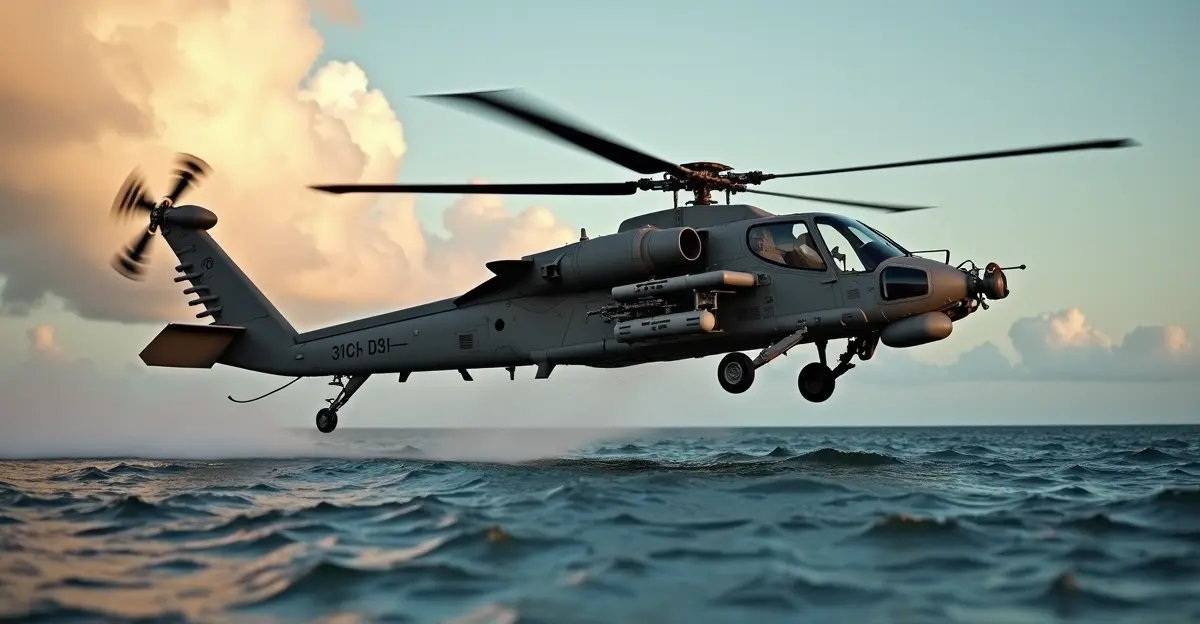
Iran's armed forces said they shot down a US MQ-9 Reaper drone over Qeshm Island, though this claim could not be independently verified. The MQ-9 Reaper is a remotely piloted aircraft used for surveillance and precision strikes, and its reported loss would be a notable battlefield development. Tehran has also announced plans to train up to one million paramilitary volunteers, signaling preparation for a prolonged conflict. The exchange highlights the growing risk of direct US-Iran military escalation in the Gulf even as diplomatic channels remain open.
CENTCOM offers $20 million reward on Iran's nuclear program
In a separate but related move, US Central Command announced a reward of up to $20 million for information about Iran's nuclear program. The offer, posted on X under the State Department's Rewards for Justice program, seeks details on 'facilities, equipment and involved personnel, such as scientists'. Informants may also be offered possible relocation. The reward follows a 2025 IAEA assessment that Iran was enriching uranium to 60% purity — close to the 90% threshold considered weapons-grade — and that the agency had lost 'continuity of knowledge' over Tehran's centrifuge production and inventory.
What happens next: diplomacy and regional risk
The Qeshm strike underscores the fragile state of a conflict now in its eighth month. Qatar has denied that negotiations have collapsed and says mediation between Washington and Tehran remains active to prevent regional escalation. Energy markets are watching closely because any closure of the Strait of Hormuz could send oil prices sharply higher. For now, the combination of limited strikes, drone shoot-downs and nuclear-program rewards points to a war being fought on multiple fronts simultaneously — military, diplomatic and economic.
FAQ
Where is Qeshm Island?
Qeshm Island is Iran's largest island, located in the Strait of Hormuz about 22 kilometers south of Bandar Abbas in Hormozgan province.
Why did the US strike Qeshm Island?
President Trump said the strike destroyed Iranian air-defense artillery. US officials have previously described Qeshm as a launch platform for anti-ship missiles, drones and fast-attack boats threatening shipping.
Did Iran shoot down a US drone?
Iran's military claimed it shot down an American MQ-9 Reaper over Qeshm, but the claim has not been independently verified.
What is the $20 million reward about?
CENTCOM is offering up to $20 million, plus possible relocation, for information on Iran's nuclear facilities, equipment and scientific personnel.
How long has the US-Iran conflict been going on?
The current war began on February 28, 2026, and has lasted more than eight months, with at least 23 American military deaths reported.
Follow Discussion