Today's news covers a wide range of critical global events. The Strait of Hormuz closure continues to impact oil prices and sovereign debt, while the WEF Global Risks Report highlights AI as a top long-term threat. China's mineral dominance has triggered a Western countermeasure with the FORGE alliance, and middle powers are redefining global order at Davos. Xi Jinping's visit to North Korea underscores shifting geopolitics, while a mass shooting in Toledo and Norway's organ donor surge reflect societal issues. AI energy demands drive nuclear deals, Arctic tensions escalate, and China unveils a revolutionary submarine. The transatlantic alliance faces strain under Trump, and the race for critical minerals intensifies.
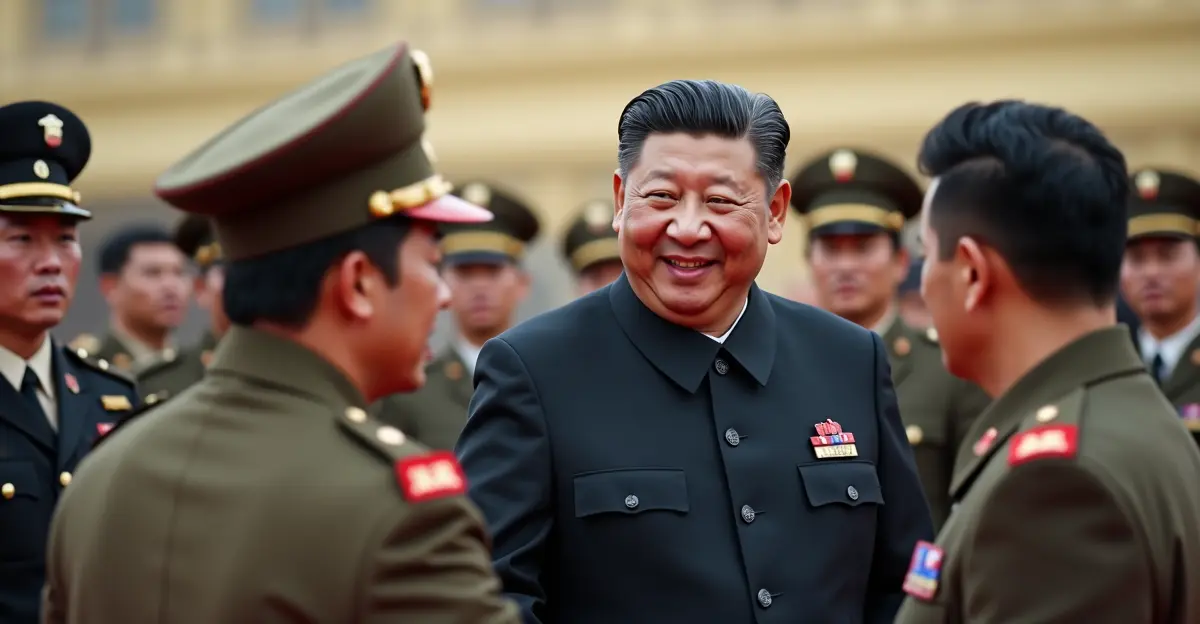
Chinese President Xi Jinping will make a state visit to North Korea on June 8-9, 2026, marking his first trip to Pyongyang in seven years and his first overseas journey of the year.
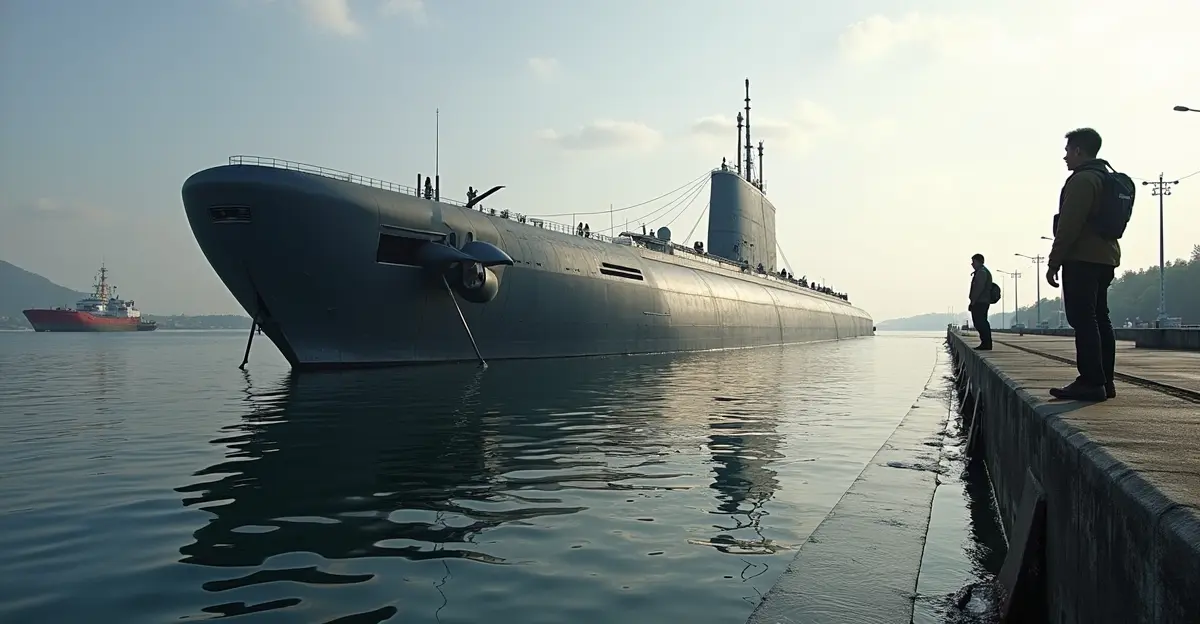
China is building a new type of nuclear-powered attack submarine featuring a radical 'sail-less' design, according to satellite imagery obtained by defense analysts.
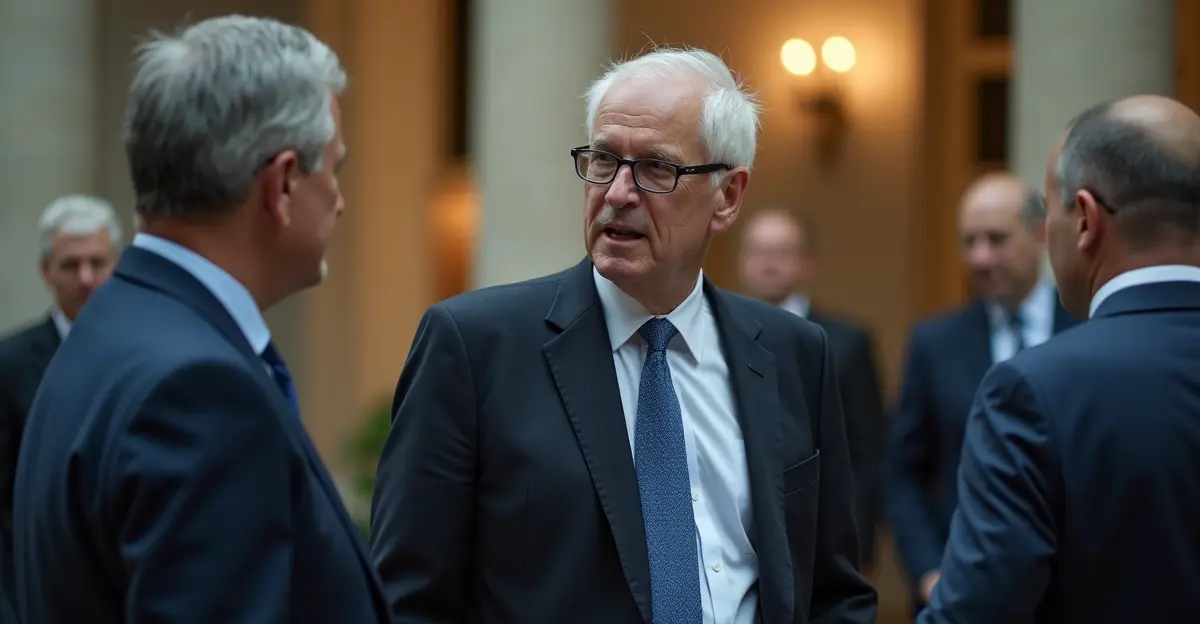
The bond between Europe and the United States, forged after World War II, is broken. That is the stark warning from former U.S. Ambassador to NATO Ivo Daalder in an exclusive interview with BNR.
A mass shooting at the Old West End Festival in Toledo, Ohio, on Saturday evening left at least 12 people wounded, two of them in critical condition, according to local authorities.
Norway has witnessed an explosive increase in organ donor registrations following the news that Crown Princess Mette-Marit urgently needs a lung transplant due to chronic pulmonary fibrosis.
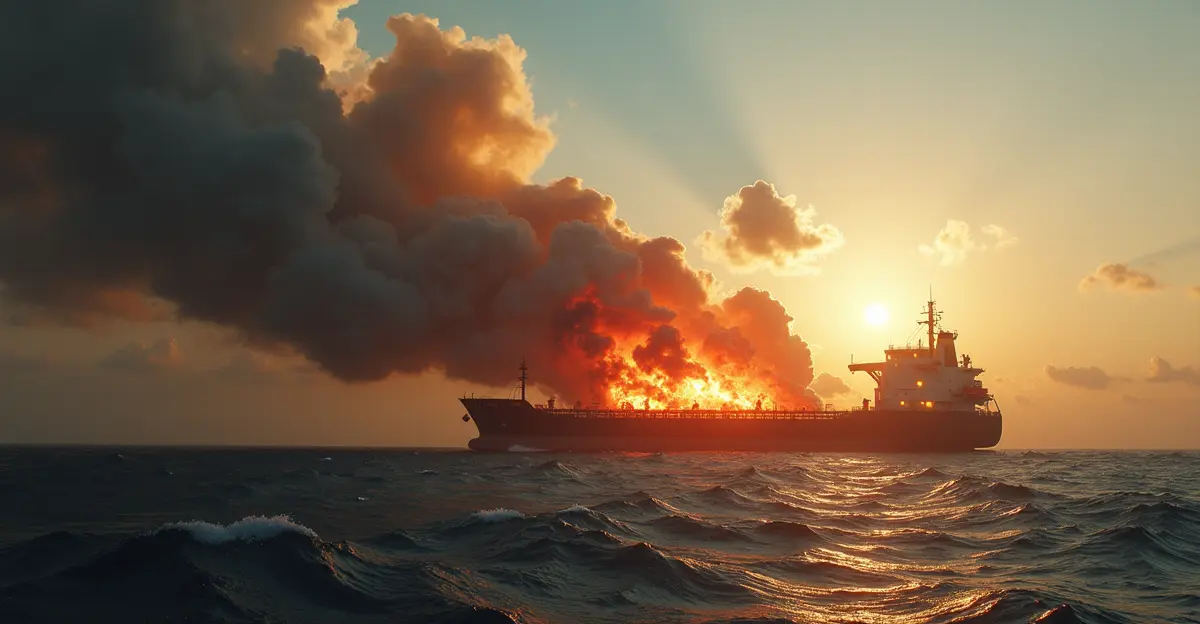
The February 2026 closure of the Strait of Hormuz has sent oil prices surging past $120 per barrel and natural gas to multi-year highs, directly inflating import bills and fiscal deficits across fuel-dependent developing nations.
By 2026, artificial intelligence data centers are projected to consume over 500 terawatt-hours (TWh) of electricity annually—more than France's total power use—driving hyperscalers to bypass overloaded public grids through direct, multi-decade nuclear power purchase agreements (PPAs).
The World Economic Forum's Global Risks Report 2026 delivers a stark warning: adverse outcomes of artificial intelligence technologies have rocketed from 30th to 5th place in the long-term risk ranking—the largest single-year jump in the report's history.
In 2026, China's stranglehold on critical minerals has reached a tipping point, triggering a global supply chain crisis that threatens Western defense, electric vehicle, and renewable energy industries.
In 2026, China's tightened export controls on rare earths, tungsten, and antimony have triggered sixfold price spikes and slashed licensing approval rates for European firms below 25%, creating an acute inflection point in global resource security.
At the World Economic Forum in Davos in January 2026, a coalition of leaders declared that the old rules-based international order is permanently broken.
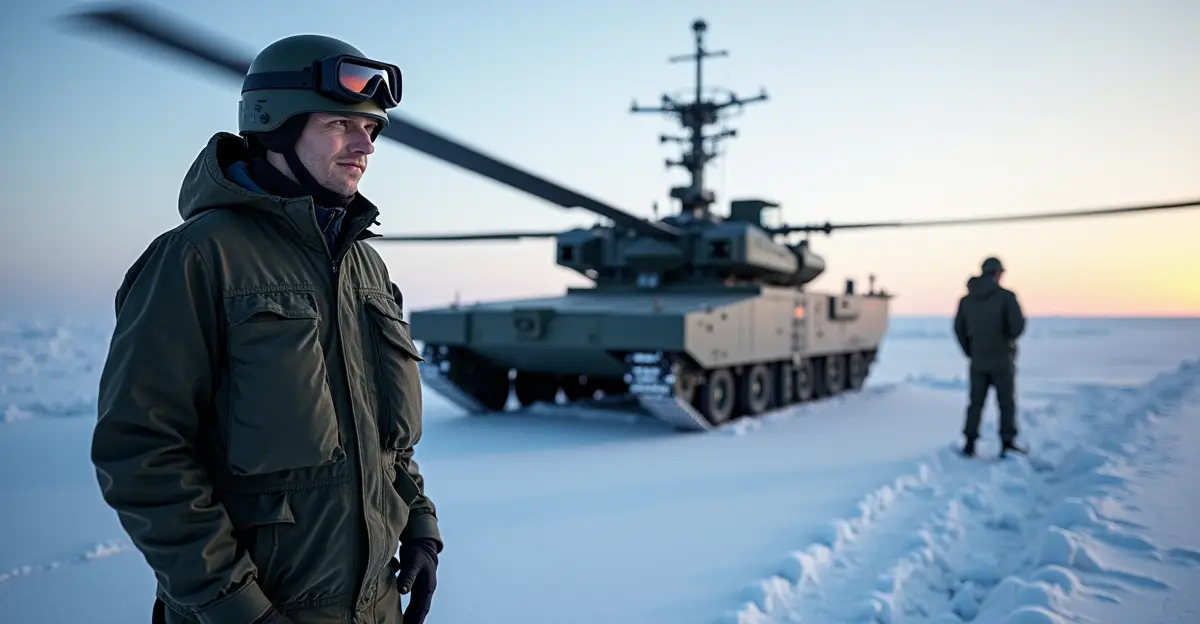
With sea ice melting four times faster than the global average, the Arctic has transformed into a strategic theater where NATO, Russia, and China compete for control.
23:30geopolitics
Share this article
Share this article
Choose a network or an app on your device.



 English
 Nederlands
 Deutsch
 Français
 Español
 Português






 Share this article



