


 English
 Nederlands
 Deutsch
 Français
 Español
 Português

Daily News Summary – 2026-06-06 – en

June 6, 2026, was a day of seismic shifts. The UK finally delivered justice in a 24-year-old rape case, highlighting profound failures in the justice system. The World Economic Forum named geoeconomic confrontation the top global risk, as trade fractured into US, EU, and China-led blocs. Diplomatic efforts to end the Ukraine war suffered a setback when Putin rebuffed Zelensky's offer for direct talks. Financial markets were rattled as Bitcoin plunged below $60,000. Nations embarked on a $100 billion sovereign AI buildup, while tech giants bet $40 billion on nuclear power for AI data centers. The US banned retail CBDCs but cleared the way for stablecoins. A Ukrainian sea drone explosion in Romania underscored the war's spillover risks. Eurovision viewership fell sharply after a five-nation boycott. The mBridge platform processed $55 billion, challenging dollar dominance. The Strait of Hormuz crisis caused the largest oil supply disruption ever, sending prices above $126 and threatening global food security. The EU's carbon border tax entered force, and Global South nations used critical minerals to demand industrial transformation. Even a Muppet's neutral NBA tweet ignited a fan backlash. These events shaped a day of profound change and uncertainty.
Top Stories
Justice Delayed but Finally Served
In one of the United Kingdom's most egregious miscarriages of justice, Paul Quinn was sentenced to 24 years for a 2003 rape, while innocent man Andrew Malkinson spent 17 years wrongfully imprisoned. The case has sparked investigations and calls for reform.
Putin Rejects Zelensky's Call for Direct Negotiations
Russian President Putin rejected Ukrainian President Zelensky's invitation for face-to-face peace talks, stating he sees no point in such a meeting. The rejection dashes hopes for a diplomatic end to the war.
Bitcoin Breaks Below $60,000 Support

Bitcoin fell below the critical $60,000 support level on June 5, 2026, dropping to $59,100 before a minor recovery, sparking fears of a deeper correction due to ETF outflows and liquidations.
Ukrainian Sea Drone Explodes in Romanian Port of Constanta
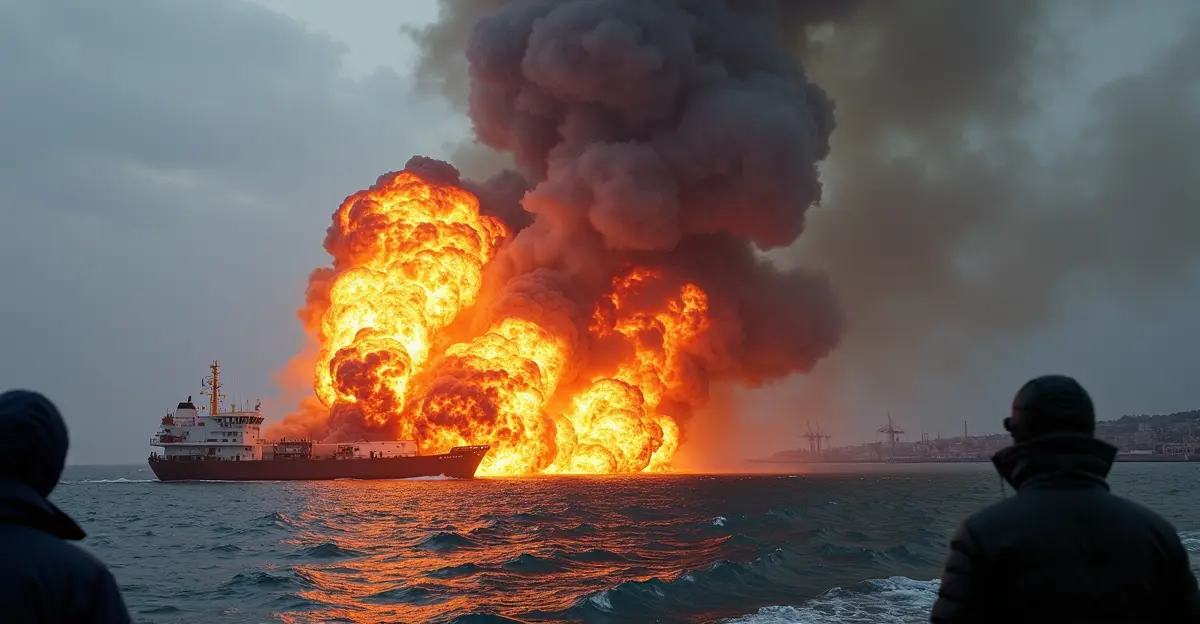
A Ukrainian sea drone self-detonated in the Port of Constanta after losing control due to Russian jamming. Romania received a 15-minute warning and evacuated over 1,300 people. No casualties were reported.
Eurovision 2026 Viewership Plummets to 131 Million

Eurovision 2026 attracted 131 million viewers, down 35 million, after five countries boycotted over Israel's participation. Bulgaria won for the first time with Dara's 'Bangaranga'. The digital engagement surged.
Also Notable: Trade War
Geoeconomic Confrontation Ranked Top Risk for 2026

The World Economic Forum's Global Risks Report 2026 ranks geoeconomic confrontation as the top risk, with global trade fragmenting into three rival blocs led by the US, China, and the EU.
EU's Carbon Border Adjustment Mechanism Enters Definitive Phase
The EU's CBAM began imposing carbon costs on imports, triggering retaliation from trading partners and setting a global precedent. Importers must now purchase carbon certificates at €75.36 per tonne.
Geoeconomic Fragmentation Costs Global Economy $307 Billion Annually

A WEF report reveals that geoeconomic fragmentation costs the global economy between $213 billion and $307 billion annually and adds 0.2–0.3 percentage points to inflation.
Also Notable: Crypto
U.S. Bans Retail CBDC, Regulates Private Stablecoins
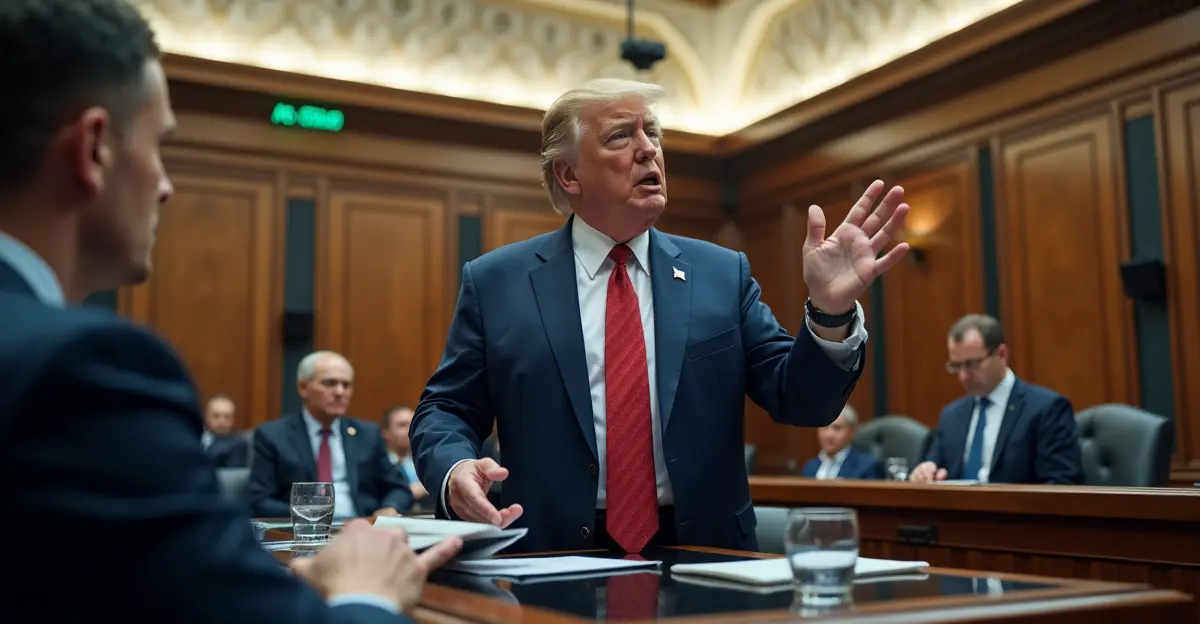
The U.S. Senate voted to ban a Federal Reserve-issued CBDC until 2030 while passing the GENIUS Act to regulate private stablecoins. The SEC and CFTC signed a historic MOU classifying major digital assets as commodities.
mBridge Payment Platform Processes $55 Billion, Bypassing SWIFT

The mBridge blockchain platform reached operational status, processing $55 billion in cross-border transactions, challenging dollar dominance. The BIS withdrew, and the US responded with stablecoin regulation.
Also Notable: AI
Sovereign AI Race: Nations Invest Over $100 Billion in Supercomputers

Countries like India, Saudi Arabia, Poland, and Canada are pouring over $100 billion into state-owned AI supercomputing clusters to reduce dependence on US tech giants and control their AI futures.
AI Data Centers Fuel Nuclear Renaissance with SMRs

Microsoft, Amazon, Google, and Meta have committed over 9.8 GW of nuclear capacity to power AI data centers with small modular reactors. Total investments exceed $40 billion signed in 2025-2026.
Big Tech's $40 Billion Nuclear Bet for AI Data Centers

Tech giants have committed $40 billion to nuclear projects, with first nuclear-powered AI data center electrons expected by 2027. The nuclear pivot reduces dependence on fossil fuels and grid vulnerabilities.
Also Notable: Energy
Strait of Hormuz Closure Triggers Largest Oil Supply Disruption
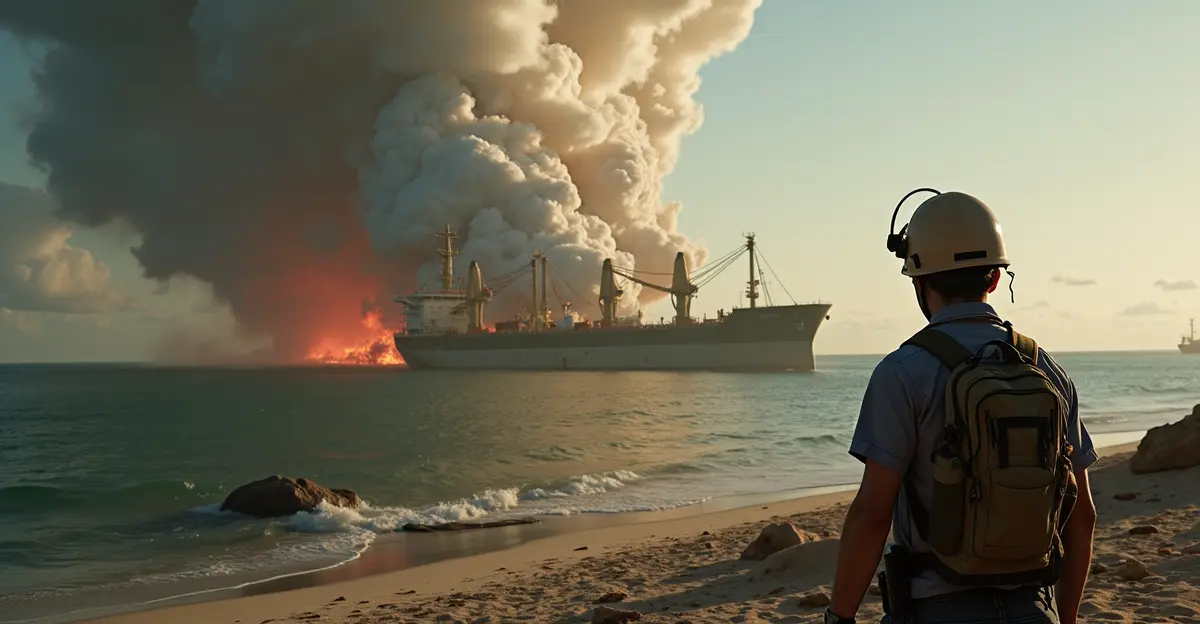
The closure of the Strait of Hormuz removed 10.1 million barrels per day, sending Brent crude above $126 and threatening global food security. The IEA released 400 million barrels from stockpiles.
Strait of Hormuz Energy Crisis Rewrites Global Trade Rules

The February 2026 closure of the Strait of Hormuz has removed 20% of global oil supplies, with Brent crude above $120. The crisis is reshaping military alliances and accelerating the energy transition.
Also Notable: Geopolitics
Global South Nations Leverage Critical Minerals for Industrial Transformation

Resource-rich nations like Indonesia, Chile, and the DRC are demanding domestic processing and higher revenues, reshaping clean energy supply chains. The US and China compete for partnerships.
Also Notable: Sport
Elmo's Neutral NBA Finals Post Enrages Knicks Fans

Elmo's post wishing both teams well in the NBA Finals angered Knicks fans, who saw it as a betrayal of New York. The Knicks lead the series 2-0, with Game 3 set for June 8.
Also Notable: Politics
Cockroach Janta Party Leads Massive Delhi Protest

Thousands of young protesters led by Abhijeet Dipke gathered in New Delhi demanding the education minister's resignation over exam paper leaks. The satirical movement has 22 million Instagram followers.
 Share this article



