


 Deutsch
 English
 Español
 Français
 Nederlands
 Português


 Share
Share




Eurovision 2026 Viewership Plummets to 131 Million
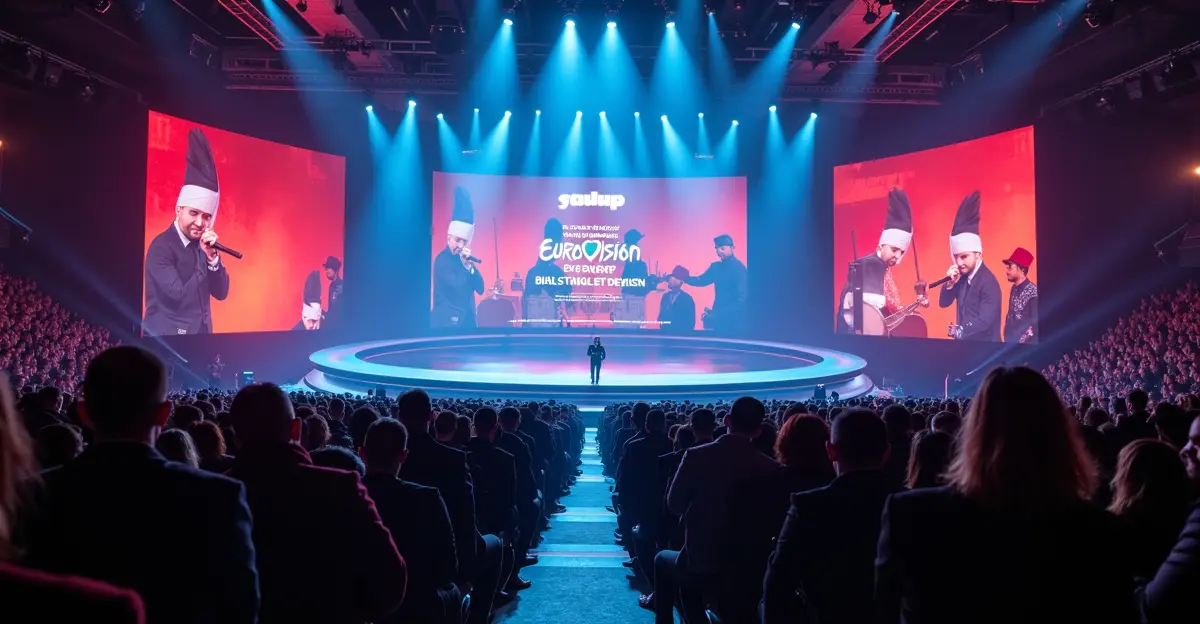
The Eurovision Song Contest 2026 attracted 131 million television viewers worldwide, marking a steep decline of 35 million from the previous year's 166 million, according to official figures released by the European Broadcasting Union (EBU). The 70th anniversary edition, held in Vienna on May 16, was overshadowed by the largest boycott in the contest's modern history, with five nations withdrawing over Israel's participation.
The Eurovision Song Contest 2026 boycott saw the Netherlands, Iceland, Spain, Ireland, and Slovenia refuse to participate, with the latter three also declining to broadcast the event. This unprecedented mass withdrawal directly contributed to the ratings slump, as confirmed by Eurovision director Martin Green.
Why Did Eurovision 2026 Lose So Many Viewers?
The boycott stemmed from controversy over Israel's inclusion in the contest amid the ongoing war in Gaza. Critics accused the EBU of double standards, noting that Russia was banned following the invasion of Ukraine in 2022, while Israel was permitted to compete. The five boycotting nations represented significant European television markets, and their absence — coupled with media blackouts in Ireland, Slovenia, and Spain — removed millions of potential viewers from the measured audience.
Impact on Key Markets
Beyond the boycotting countries, viewership also dropped in major markets that did participate. Poland, the United Kingdom, and France all recorded declines. However, some nations bucked the trend. Host country Austria saw a surge, with ORF reporting 1.6 million viewers and a 61.4% market share — a record for the broadcaster. Finland recorded the highest viewing share at 92.8%, followed by Sweden (86%), Norway (83%), and Denmark (79%).
Australia delivered a standout performance, with 3.27 million Australians tuning in — a 45.2% increase from 2025 — fueled by Delta Goodrem's fourth-place finish with her song 'Eclipse.' SBS Head of Unscripted Joseph Maxwell called Goodrem's performance 'mesmerising,' noting it took the broadcast 'to spectacular new heights.'
Bulgaria Wins Eurovision 2026 for the First Time
Bulgaria claimed its first-ever Eurovision victory with Dara's energetic pop track 'Bangaranga,' scoring 516 total points (204 from juries, 312 from the public televote). The song, which blends Balkan folk hooks with kuchek rhythms, resonated strongly with audiences across Europe. Israel finished second with 343 points, followed by Romania in third, Australia in fourth, and Italy rounding out the top five. The United Kingdom placed last among the 25 finalists.
Dara, a Bulgarian pop star who rose to fame on X Factor in 2015, described 'bangaranga' as 'a special energy that everyone has got in themselves, a feeling that everything is possible.' The song was inspired by the ancient Bulgarian ritual of kukeri. Bulgaria had not participated in the previous three Eurovision contests and returned in 2026 as some countries opted out. The 2027 contest will be hosted in Bulgaria, likely in Sofia.
Digital Engagement Soared Despite TV Decline
While traditional television viewership fell, digital engagement reached record levels. Official Eurovision content generated over 2.75 billion views across TikTok, Instagram, YouTube, and Facebook. The YouTube live stream drew 5.43 million unique viewers. 'Bangaranga' reached number one in 12 markets on Apple Music, surpassed 27 million streams on Spotify, and was the most Shazamed song globally on finale night.
The Eurovision 2026 digital engagement surge was particularly strong among younger audiences. The 15-24 age group recorded a 54.8% viewing share, down from 60.4% in 2025 but still robust. TikTok proved pivotal: the song 'Bangaranga' had already accumulated 8 million TikTok views before the final, and post-event reaction clips and viral edits drove further engagement. The 'Rest of the World' vote spanned 148 countries, with strong participation from the United States, Canada, and notably, the boycotting nations of the Netherlands, Spain, and Ireland — whose citizens voted despite their broadcasters' withdrawal.
What Does This Mean for Eurovision's Future?
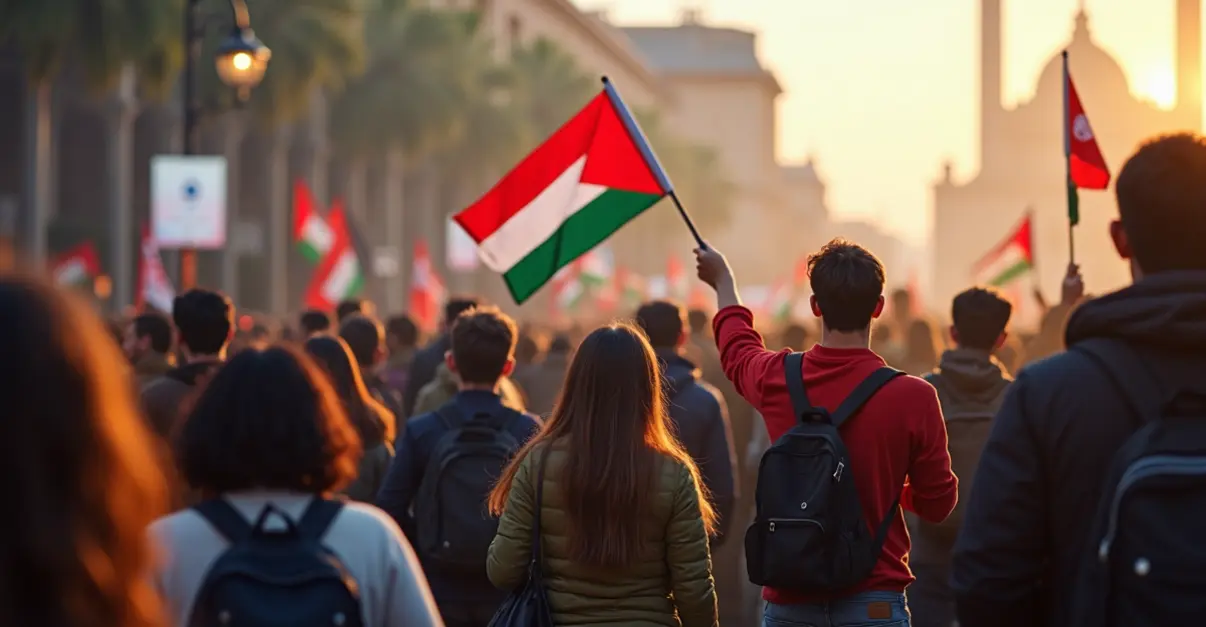
The 2026 edition exposed deepening fractures in the Eurovision model. On-the-ground attendance in Vienna fell to approximately 320,000, down from over 500,000 in Basel the previous year. Protests drew thousands: about 3,000 demonstrators marked Palestinian Nakba Day, and a similar number marched for Palestine on the final day. Only 26% of Austrians surveyed believed the contest brings Europe closer together, while 52% said hosting was too expensive.
Eurovision director Martin Green acknowledged the challenges but remained optimistic. 'This will be just a footnote in the contest's history,' he told Austrian outlet Der Standard, arguing that the 70-year-old event has outlasted previous political crises. He expressed commitment to finding pathways for the boycotting nations to return in 2027. However, cultural historian Irving Wolther warned that financing Eurovision will become increasingly difficult as publicly funded broadcasting faces cuts across Europe.
The EBU has also announced expansion into Asia, with Eurovision Asia launching in Bangkok in November 2026 — a move that could diversify the contest's audience and revenue streams. The Eurovision Asia expansion 2026 represents a strategic effort to offset declining European television audiences with new markets.
Frequently Asked Questions
How many people watched Eurovision 2026?
The grand final reached 131 million television viewers across 35 measured markets, down from 166 million in 2025.
Why did Eurovision 2026 lose 35 million viewers?
The decline was primarily due to the boycott by five countries (Netherlands, Iceland, Spain, Ireland, Slovenia) over Israel's participation, with three of those nations also refusing to broadcast the event.
Who won Eurovision 2026?
Bulgaria won for the first time with Dara's song 'Bangaranga,' scoring 516 points. Israel finished second, Romania third, Australia fourth, and Italy fifth.
Where will Eurovision 2027 be held?
The 2027 contest will be hosted in Bulgaria, likely in the capital Sofia.
Did digital engagement increase for Eurovision 2026?
Yes, official Eurovision content generated over 2.75 billion views across social media platforms, with record streaming numbers for the winning song on Spotify and Apple Music.

Follow Discussion