


 Deutsch
 English
 Español
 Français
 Nederlands
 Português


 Share
Share




EBU Issues Formal Warning to Israeli Broadcaster KAN
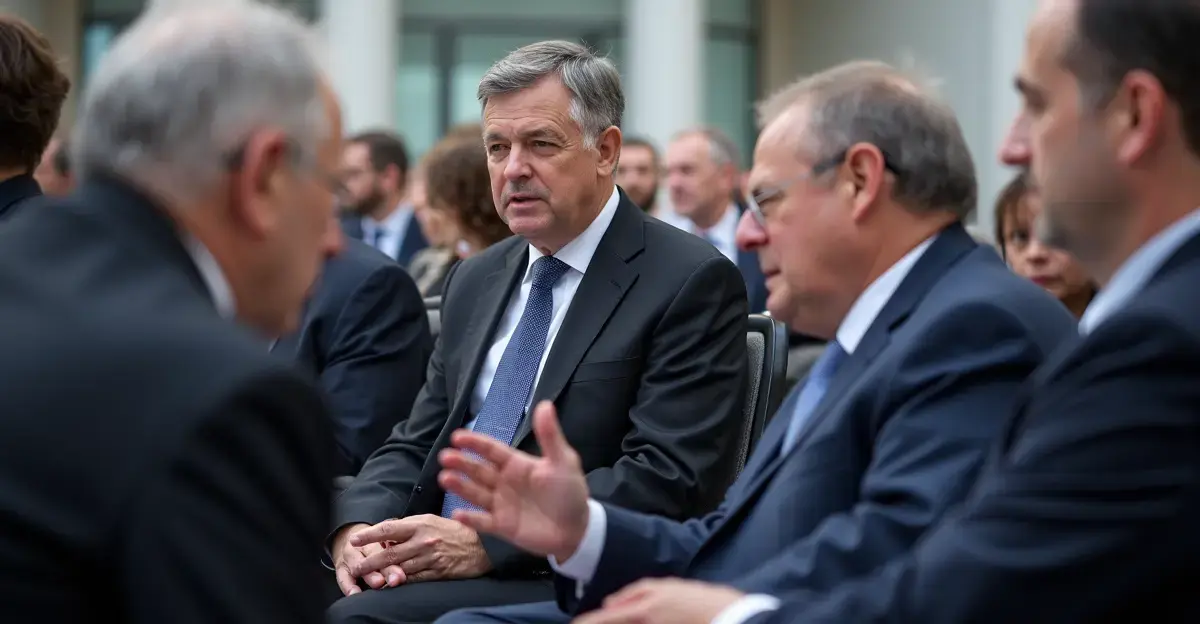
The European Broadcasting Union (EBU) has issued an official warning to Israel's public broadcaster KAN after its Eurovision 2026 contestant Noam Bettan posted videos urging fans to vote multiple times for his entry 'Michelle.' Eurovision director Martin Green confirmed the warning in an interview with Norwegian broadcaster TV 2, stating the campaign violated contest rules and the spirit of fair competition. The incident marks the first major test of stricter voting regulations introduced for the 70th edition of the contest, which takes place in Vienna, Austria, from May 12–16, 2026.
Background: Stricter Rules After 2025 Controversy
The warning comes amid heightened scrutiny of voting integrity at Eurovision. Following the 2025 contest — where Israel's Yuval Raphael won the public vote and finished second overall — the EBU introduced sweeping rule changes. These include reducing the maximum number of televotes per payment method from 20 to 10, returning professional juries to the semi-finals for the first time since 2022, and implementing enhanced technical safeguards to detect coordinated voting. The EBU also adopted stronger rules on disproportionate promotion, explicitly discouraging campaigns by third parties including governments. The 2025 Eurovision voting controversy prompted the EBU to act decisively.
What Happened With the Israeli Campaign?
According to Green, KAN was alerted to videos featuring Bettan calling on viewers to use all ten of their votes for Israel. 'We are aware of videos with the artist representing KAN calling for ten votes for Israel,' Green told TV 2. 'This is not in line with the rules or the spirit of the competition.' The EBU demanded the videos be taken down, and KAN complied. In a statement, KAN said Bettan acted on his own initiative 'without any form of illegal funding,' and argued the videos were comparable to promotional efforts by other participating artists. The EBU voting rules for Eurovision 2026 explicitly prohibit such targeted vote-solicitation campaigns.
Broader Context: Boycotts and Political Tensions
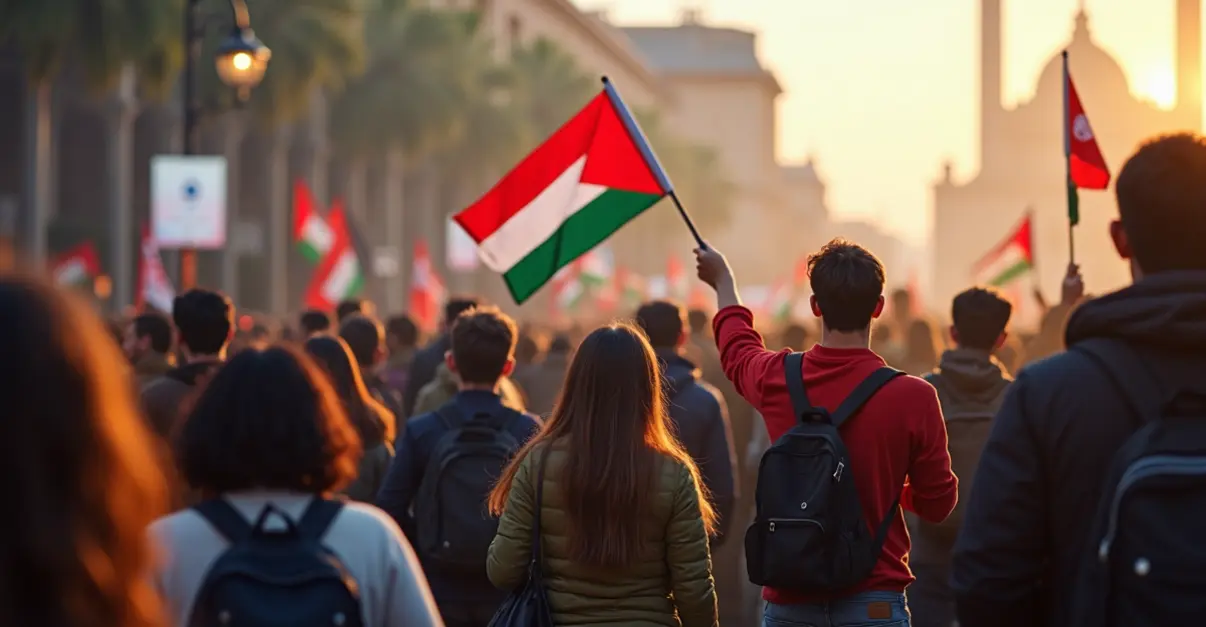
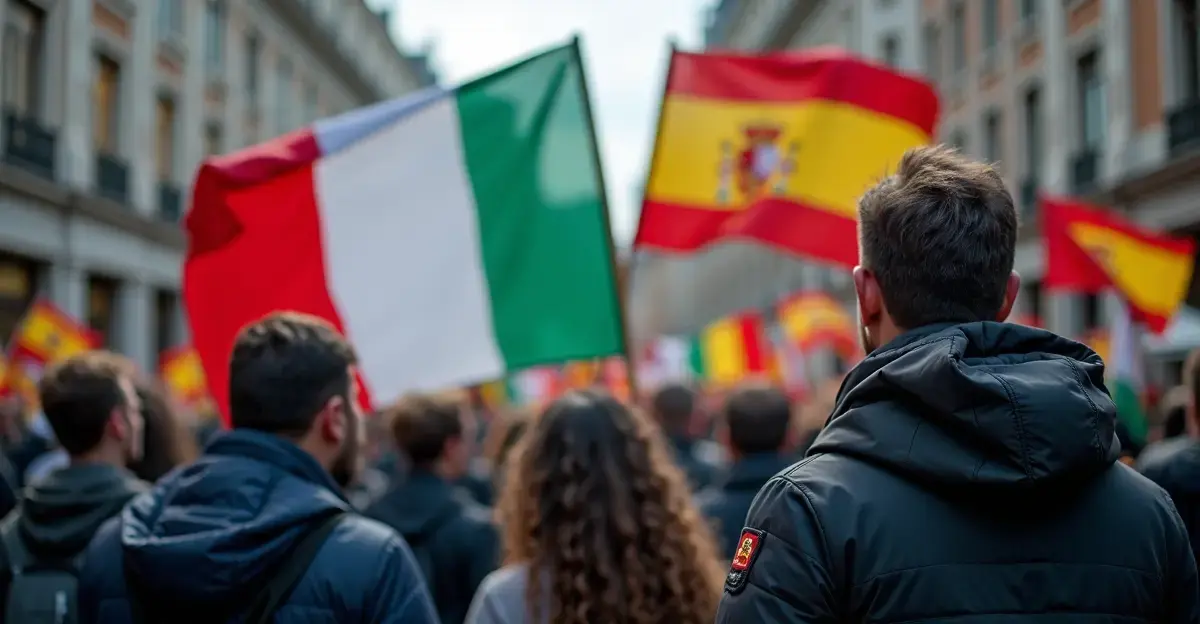
Israel's participation in Eurovision 2026 has been deeply divisive. Five countries — Iceland, Ireland, the Netherlands, Slovenia, and Spain — have boycotted the contest in protest over Israel's military operations in Gaza, marking the largest boycott in Eurovision history since 1970. The Netherlands' broadcaster AVROTROS cited 'human suffering in Gaza and concern over press freedom violations,' while Spain's RTVE president referenced 'the genocide currently taking place in Gaza.' Despite the boycotts, tickets for the grand final in Vienna sold out in 14 minutes, reflecting enduring public interest. The Eurovision 2026 boycott countries have drawn attention to the political dimensions of the contest.
Noam Bettan and His Song 'Michelle'
Noam Bettan, 28, was selected through the talent show 'HaKokhav HaBa' (The Next Star). Born in Israel to French parents, he sings in Hebrew, French, and English. His Eurovision entry 'Michelle' is an upbeat pop track about a toxic relationship, with lyrics describing a lover as 'the queen of problems.' The song was co-written by Yuval Raphael, a survivor of the October 7 Nova festival attack who represented Israel in 2025. Bettan has said he hopes to 'move audiences' with his performance. Israel will compete in the first semi-final on May 12.
Impact and Implications for the Contest
The warning to Israel signals that the EBU intends to enforce its new rules rigorously. Director Martin Green previously told Dutch current affairs program Nieuwsuur that 'these types of activities will absolutely not be tolerated. I think in recent years we may not have been strict enough.' The EBU has also tightened rules on political messaging, requiring all entries to undergo extra lyrical checks. Israel's 2024 entry 'October Rain' was rejected for being too political before being revised to 'Hurricane.' With the contest already navigating unprecedented boycotts, the EBU is under pressure to maintain credibility and fairness. The Eurovision 2026 political controversies continue to shape the event's trajectory.
Frequently Asked Questions
Why did the EBU warn Israel over Eurovision 2026?
The EBU issued a warning to Israeli broadcaster KAN after contestant Noam Bettan posted videos urging viewers to use all ten of their votes for Israel, which violates contest rules against disproportionate vote solicitation.
What are the new Eurovision 2026 voting rules?
Key changes include reducing maximum votes per payment method from 20 to 10, returning professional juries to semi-finals, stronger anti-fraud measures, and stricter rules on promotional campaigns by third parties including governments.
Which countries are boycotting Eurovision 2026?
Five countries are boycotting: Iceland, Ireland, the Netherlands, Slovenia, and Spain, all protesting Israel's participation amid the Gaza conflict.
What is Israel's Eurovision 2026 song?
The song is 'Michelle,' performed by Noam Bettan. It is a multilingual pop track in Hebrew, French, and English about a toxic love relationship.
When and where is Eurovision 2026?
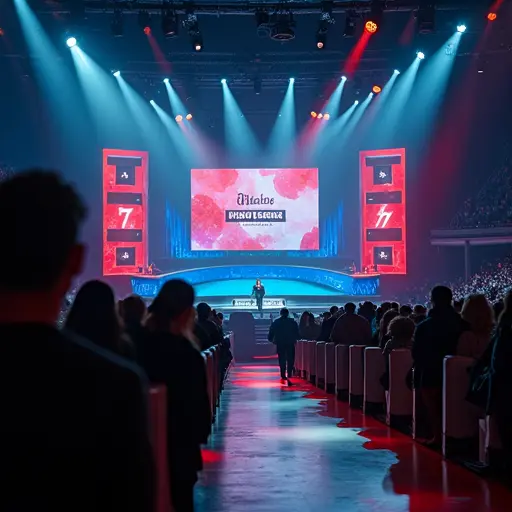
The contest takes place at the Wiener Stadthalle in Vienna, Austria, with semi-finals on May 12 and 14 and the grand final on May 16, 2026.


Follow Discussion