


 Deutsch
 English
 Español
 Français
 Nederlands
 Português


 Share
Share




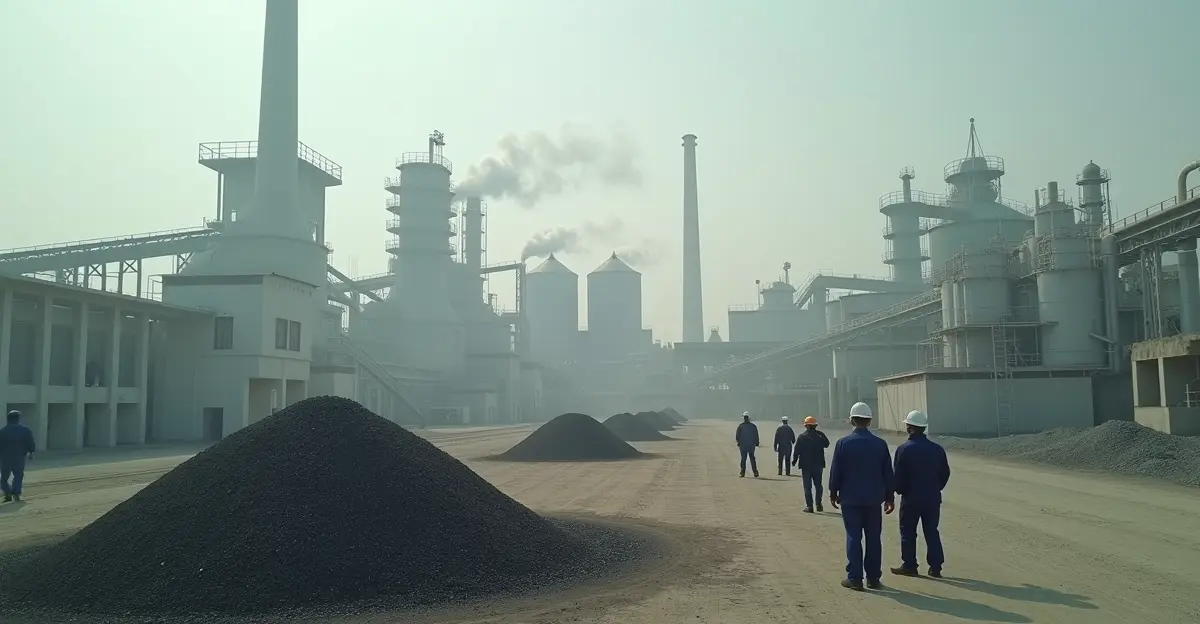
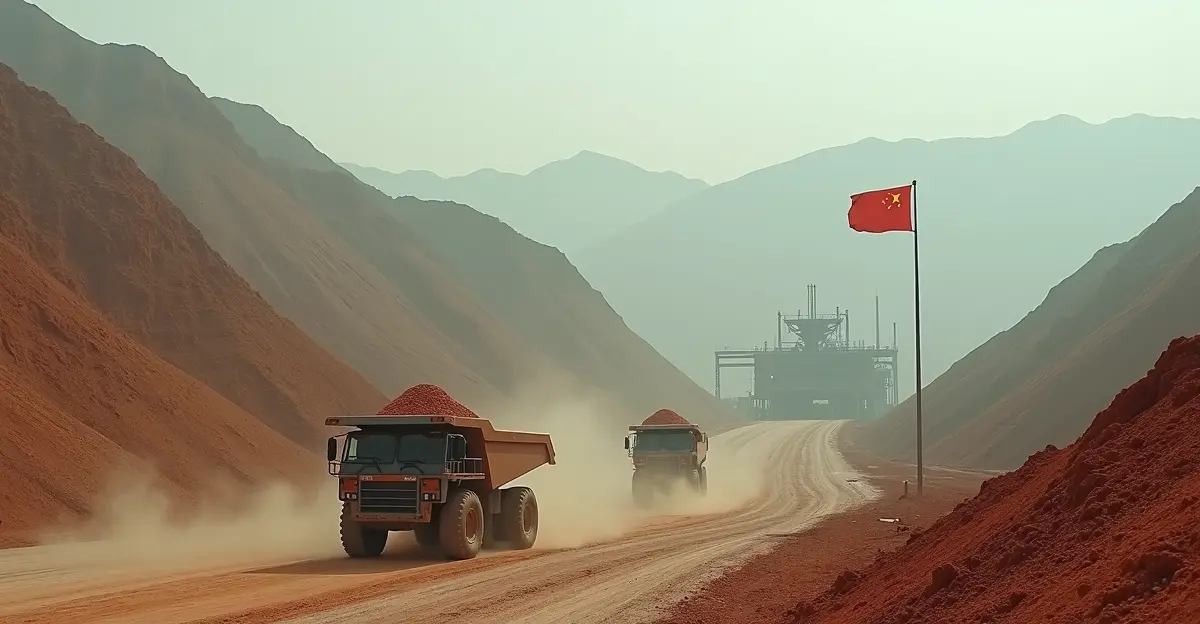
China's 2026 critical minerals crisis has sent shockwaves through global supply chains as Beijing tightened export controls on rare earths, tungsten and antimony. Prices for neodymium-praseodymium (NdPr) oxide surged sixfold outside China, from roughly $80 per kilogram in 2024 to over $480 per kilogram by early 2026, while European licensing approval rates fell below 25%. With China controlling 90% of global rare earth processing and 80% of tungsten refining, the West faces a narrow 12-to-18-month window to diversify before strategic vulnerability becomes permanent.
What Are China's 2026 Export Controls?
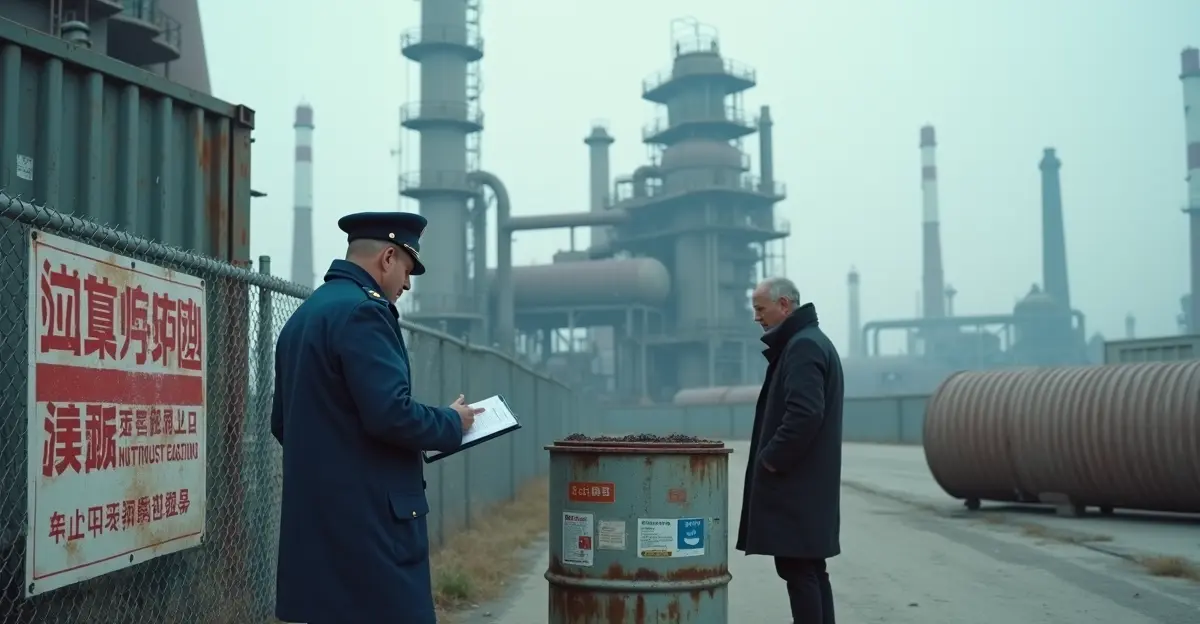
Beijing's phased restrictions, which began in 2025 and escalated in early 2026, expanded the list of controlled elements to include samarium, gadolinium, lutetium, europium and ytterbium. The Ministry of Commerce (MOFCOM) imposed licensing whitelists—15 firms for tungsten, 11 for antimony and 44 for silver—with 45-day reviews that routinely stall. According to Informed Clearly, only 19 of 141 European license applications were approved in late 2025, leaving over 80% of European firms dependent on Chinese supply chains for defense, EV and renewable energy minerals. The rare earth processing dominance has allowed Beijing to weaponize temporary, reversible restrictions that preserve pricing power and deter Western alternatives.
The Numbers: Sixfold Price Spikes and Dwindling Approvals
The scale of the shock is unprecedented. Between January and June 2026, NdPr oxide prices rose sixfold outside China, tungsten concentrate tripled and antimony doubled. European license approvals fell below 25%, with some sectors reporting just 19 of 141 applications approved. China's rare earth exports fell 10% year-over-year to 34,706 tons in the first seven months of 2026, according to trade data. The tungsten export controls and antimony restrictions have hit defense programs—including F-35 components and missile guidance systems—as well as EV motors and offshore wind turbines. The IEA warned that full enforcement could put $6.5 trillion of downstream production at risk, with the U.S. and Europe carrying nearly half that exposure.
The West's Counteroffensive: FORGE, Strategic Reserves and Bilateral Deals
In response, Washington and its allies launched a multi-pronged strategy:
- FORGE alliance: A 54-country coalition worth over $30 billion to coordinate critical minerals investment and alternative supply chains.
- $10 billion Strategic Critical Minerals Reserve: A U.S. reserve funded through the Export-Import Bank to stockpile rare earths and reduce import dependence.
- Bilateral agreements: New frameworks with Argentina, Morocco and the Philippines aim to secure lithium, phosphate and nickel processing capacity.
- EU RESourceEU: A €3 billion program supporting 60 Critical Raw Materials Act strategic projects worth €22.5 billion.
The FORGE alliance members include Australia, Canada, Japan and the EU, with Australia emerging as a diversification hub through Lynas and a $1.2 billion national strategic reserve. The strategic critical minerals reserve is designed to buy time while new mines and processing plants come online.
The 12–18 Month Window: Can Diversification Succeed?
Analysts warn that rebuilding independent rare earth processing capacity could take 20 to 30 years, far exceeding the current geopolitical window. We have 12 to 18 months, not 20 years, one senior Western official said. If we don't lock in alternative supply chains now, we risk permanent managed dependence on China. The EU critical minerals action plan and U.S. bilateral frameworks face steep hurdles, including permitting delays, capital intensity and China's control of 81% of rare earth-related patents. The supply chain diversification race is further complicated by China's automatized real-time controls and penalties introduced in 2026, which make circumvention harder.
FAQ
Why is China restricting critical minerals exports in 2026?
Beijing aims to weaponize its control over rare earth processing, tungsten and antimony to preserve pricing power and deter Western alternatives, while supporting domestic downstream industries.
How much have rare earth prices risen outside China?
Neodymium-praseodymium oxide prices rose sixfold, from about $80/kg in 2024 to over $480/kg in early 2026, while tungsten concentrate tripled and antimony doubled.
What is the FORGE alliance?
FORGE is a 54-country coalition launched in February 2026 to coordinate critical minerals investment, stockpiling and alternative supply chains, with over $30 billion in committed financing.
What is the 12-to-18-month window?
Analysts say the West has 12 to 18 months to lock in diversified supply chains before China's dominance becomes entrenched, because rebuilding independent processing capacity would take 20–30 years.
Which countries are key to Western diversification?
Australia, Argentina, Morocco and the Philippines are emerging as critical partners, with new bilateral agreements focusing on lithium, phosphate, nickel and rare earth processing.
Conclusion
China's 2026 critical minerals crisis has exposed the fragility of Western supply chains. While the FORGE alliance, $10 billion reserve and bilateral deals mark a serious response, the 12-to-18-month window is closing fast. Whether the West can break China's stranglehold remains the defining geopolitical supply chain question of 2026.
Follow Discussion