


 Deutsch
 English
 Español
 Français
 Nederlands
 Português


 Share
Share




Hamas Announces Dissolution of Gaza Governing Body
In a landmark political shift, Hamas announced on July 6, 2026, that it is dissolving its Government Emergency Committee, the civilian body that has administered the Gaza Strip for nearly two decades. The move paves the way for a transitional technocratic authority, the National Committee for the Administration of Gaza (NCAG), to assume civilian rule under the US-brokered Gaza peace plan. Hamas spokesperson Hazem Qassem confirmed the group is stepping back from direct governance, stating the decision aims to remove pretexts for continued Israeli military operations. However, the announcement made no mention of disarmament, leaving the core obstacle to a lasting ceasefire unresolved.
Background: Two Decades of Hamas Rule in Gaza
Hamas, an acronym for the Islamic Resistance Movement, was founded in 1987 during the First Intifada. After winning the 2006 Palestinian legislative elections, the group seized control of Gaza in the 2007 Battle of Gaza, ousting the rival Fatah faction. Since then, Hamas has governed the territory separately from the Palestinian Authority, surviving multiple wars with Israel, including those in 2008–09, 2012, 2014, 2021, and the devastating conflict that began with the October 7, 2023 attacks. The Gaza peace plan of 2025, announced by U.S. President Donald Trump on September 29, 2025, and signed on October 9, 2025, called for a ceasefire, hostage releases, prisoner exchanges, demilitarization of Gaza, and transitional governance by Palestinian technocrats. The first phase took effect on October 10, 2025, but negotiations on the second phase — including Hamas disarmament and full Israeli withdrawal — have stalled.
What the Dissolution Means for Gaza's Governance
The National Committee for the Administration of Gaza (NCAG)
The NCAG is a transitional, technocratic body established under UN Security Council Resolution 2803 (2025). Composed of 15 independent Palestinian technocrats from Gaza, it is chaired by Ali Shaath and operates under the oversight of the Board of Peace. The NCAG's mission includes delivering public services, overseeing reconstruction, and establishing rule of law until the Palestinian Authority completes its reform program. However, since its formation in January 2026, the NCAG has remained based in Cairo, unable to enter Gaza due to Israeli objections. Hamas's dissolution of its governing body is intended to facilitate the NCAG's takeover, but practical implementation remains uncertain.
Hamas Retains Military and Political Influence
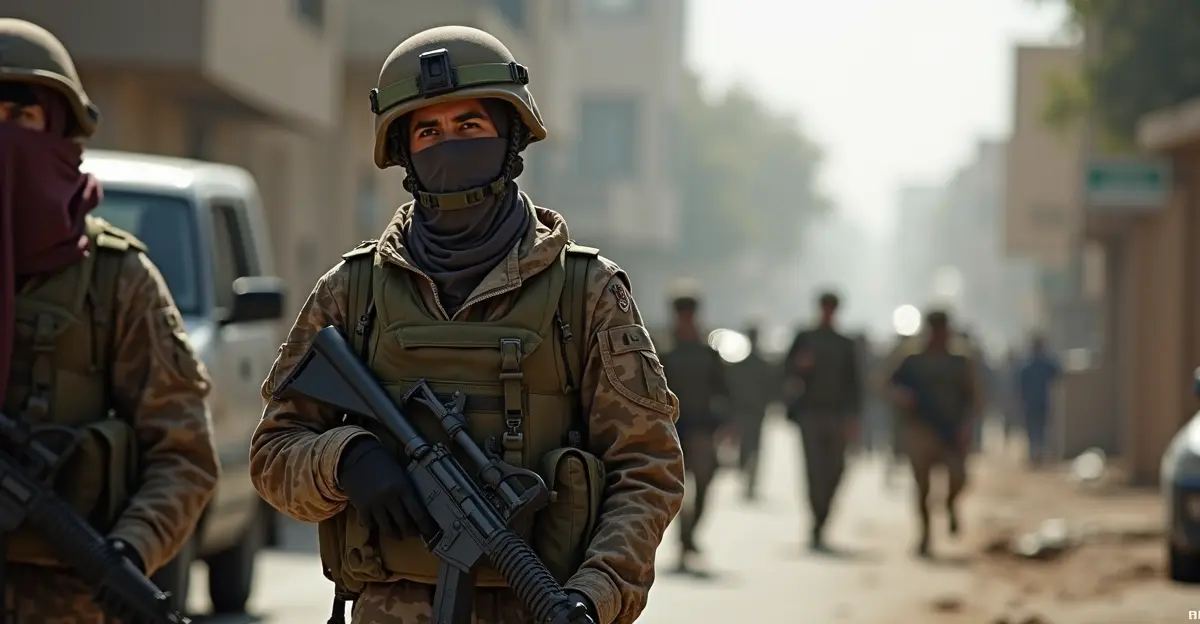
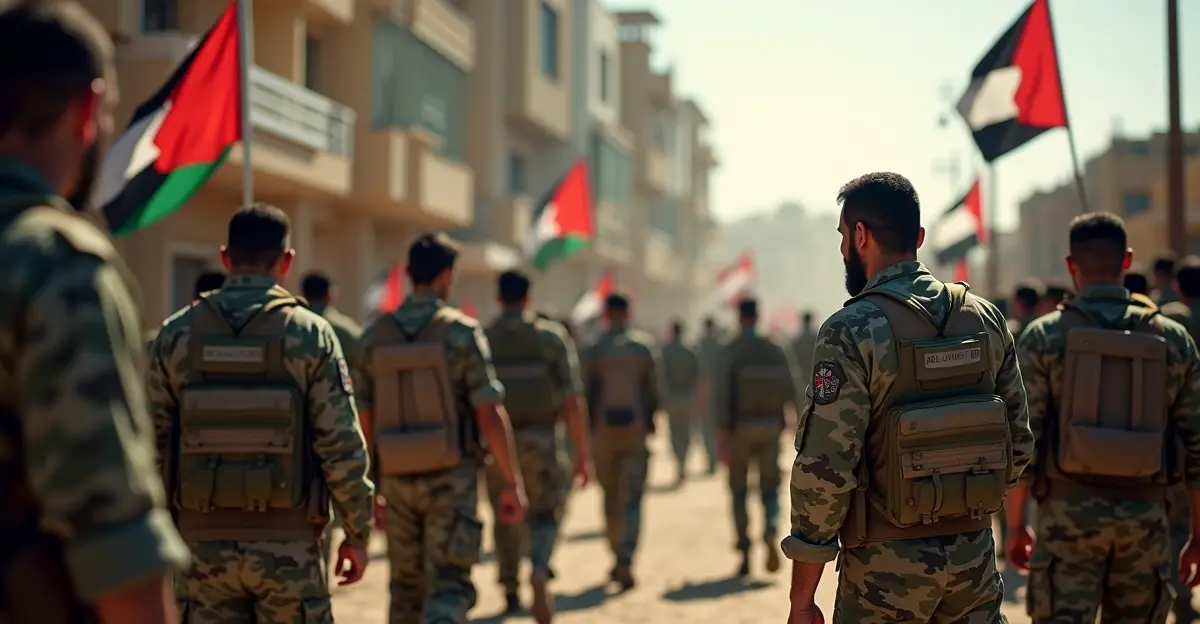
While Hamas has dissolved its civilian administrative body, the group's military wing, the al-Qassam Brigades, remains intact. Hamas officials have stressed that the dissolution does not mean the group is relinquishing its political or military role. The Hamas disarmament requirement remains the central sticking point in negotiations. Israeli Prime Minister Benjamin Netanyahu has insisted that progress toward the next phase of the ceasefire hinges on Hamas disarming, calling the group's refusal to give up its weapons the key obstacle to stabilizing the territory. Hamas, however, views disarmament as capitulation and insists on its right to resist as long as Israeli occupation continues.
Israel's Expanding Control and the Stalled Ceasefire
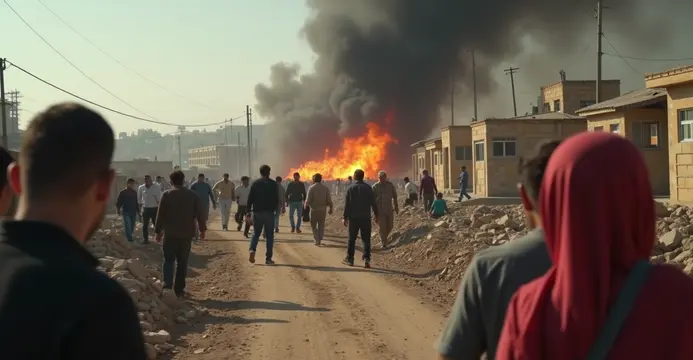
Since the ceasefire took effect, Israel has significantly expanded its military control over Gaza. In May 2026, Netanyahu directed Israeli forces to seize approximately 70 percent of the Gaza Strip, well beyond the terms of the truce. The Israeli military maintains control behind the so-called "yellow line," and continues to conduct strikes. According to humanitarian organizations, over 1,000 Palestinians have been killed since the ceasefire began, and aid deliveries remain critically insufficient. The Israel Gaza occupation 2026 has further complicated the peace process, with Hamas citing ongoing Israeli aggression as a reason to maintain its weapons.
International Reactions and Next Steps
The U.S. Board of Peace, established under Trump's peace plan, acknowledged Hamas's announcement but stated that its assessment would be "based on deeds, not promises." Key mediators — Qatar, Turkey, and Egypt — are pushing for progress, but the second phase of the ceasefire remains stalled. Jared Kushner, Trump's son-in-law and architect of the peace plan, has stated that reconstruction of Gaza can only begin once Hamas disarms. The NCAG has welcomed the dissolution and expressed readiness to assume its responsibilities, but without a resolution on disarmament and Israeli withdrawal, the path forward remains uncertain.
Correspondent Lennard Swolfs, reporting from Israel and the Palestinian Territories, noted: 'It seems primarily a strategic step by Hamas, showing willingness and placing the ball in Israel's court. But the question is what this step will concretely achieve. The technocratic administration is currently not in the Gaza Strip. Moreover, Hamas says some government employees will remain at their posts to prevent an administrative vacuum. And there is no mention of disarmament, which is the major stumbling block. As long as no concrete agreements are made on that front, no major steps in negotiations will occur in the short term.'
FAQ: Understanding Hamas's Decision
What did Hamas announce on July 6, 2026?
Hamas announced the dissolution of its Government Emergency Committee, the civilian body that has governed the Gaza Strip since 2007, and expressed readiness to transfer authority to the technocratic NCAG.
Does this mean Hamas is disarming?
No. The announcement made no mention of disarmament. Hamas retains its military wing, the al-Qassam Brigades, and has stated it will not give up its weapons as long as Israeli occupation continues.
What is the NCAG?
The National Committee for the Administration of Gaza is a transitional technocratic body established under UN Security Council Resolution 2803 to manage civilian affairs in Gaza. It is composed of independent Palestinian experts and chaired by Ali Shaath.
Why is the ceasefire stalled?
The second phase of the US-brokered peace plan, which requires Hamas to disarm and Israel to fully withdraw, has been stalled due to disagreements over disarmament and Israel's expanding military control over Gaza.
What changes will Gaza residents see?
In the short term, little is expected to change. Israel continues military operations, aid remains insufficient, and Hamas's military presence persists. The NCAG remains outside Gaza, unable to assume its duties.
Sources
This article is based on reporting from NOS, Reuters, Al Jazeera, CNN, The National, and the Wikipedia entries for Hamas and the National Committee for the Administration of Gaza.



Follow Discussion