


 Deutsch
 English
 Español
 Français
 Nederlands
 Português


 Share
Share




US-Iran Negotiations in Switzerland Abruptly Called Off
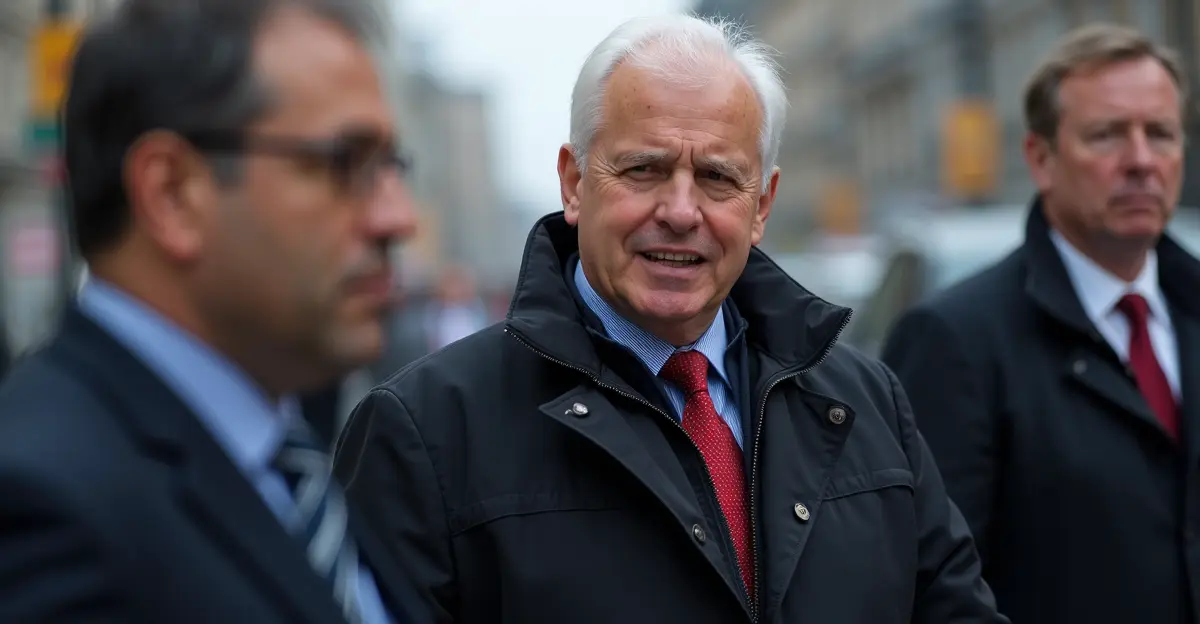
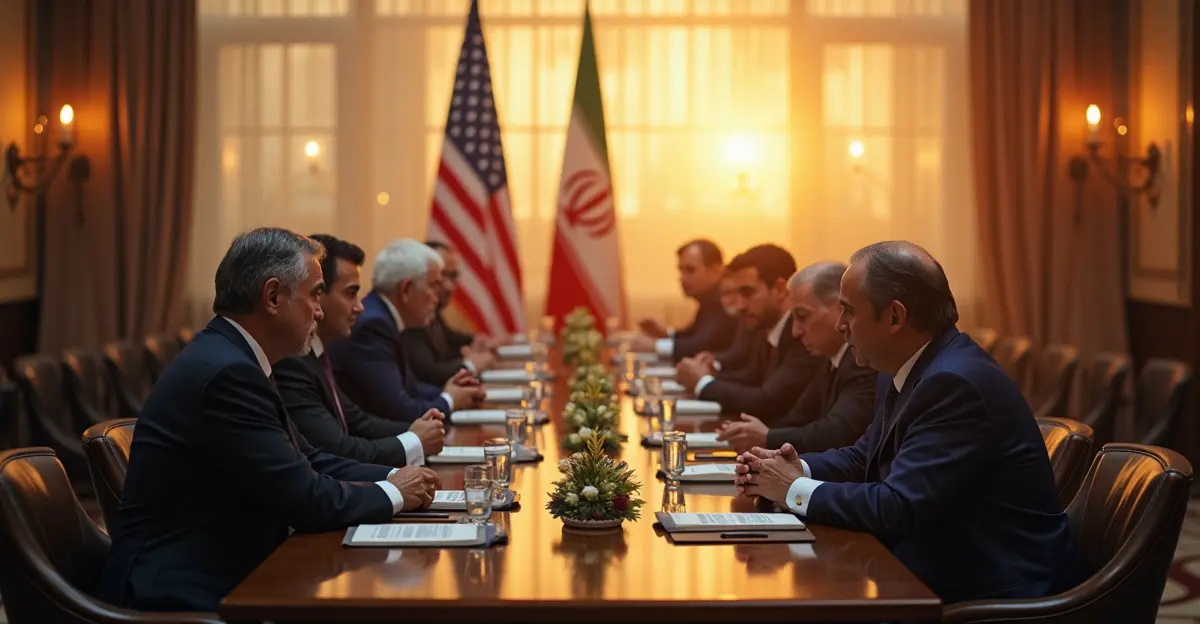
High-stakes follow-up talks between the United States and Iran scheduled for Friday at the Bürgenstock resort in Switzerland were abruptly canceled, casting early doubt on the durability of the newly signed interim peace deal. The Swiss Foreign Ministry confirmed the postponement, stating that delegations from both countries would not meet as planned. Vice President JD Vance, who was set to lead the American delegation, delayed his travel from Joint Base Andrews at the last minute, with the White House citing that the 'logistics of the negotiations were never simple or predictable' without offering further specifics.
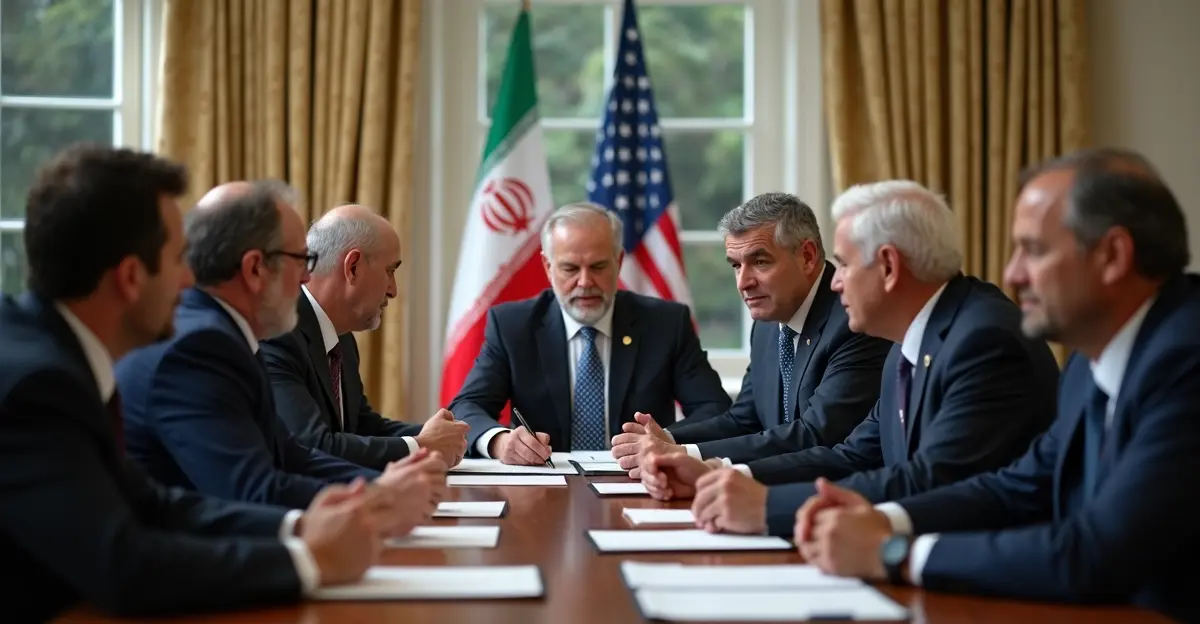
The cancellation comes just one day after President Donald Trump and Iranian President Masoud Pezeshkian signed a 14-point Memorandum of Understanding (MoU) in Islamabad, mediated by Pakistan. That framework agreement aims to end months of military conflict between the two nations and includes provisions for a 60-day negotiation period to finalize a comprehensive deal. The US Iran interim peace deal has been hailed by the Trump administration as a historic breakthrough, but critics warn it gives too many concessions to Tehran.
Background: The Islamabad Memorandum of Understanding
The MoU, released in full by Iranian state media, outlines a sweeping set of commitments. Key points include an immediate and permanent termination of military operations on all fronts, including Lebanon; mutual respect for sovereignty; the removal of the US naval blockade within 30 days; and Iran's guarantee of safe passage for commercial vessels through the Strait of Hormuz. The US also committed to terminating all sanctions against Iran and supporting a $300 billion reconstruction and economic development plan for the country.
On the nuclear front, Iran reaffirmed that it will not seek nuclear weapons, with enriched material disposition to be resolved under International Atomic Energy Agency (IAEA) supervision. IAEA Director General Rafael Grossi welcomed the deal, stating that 'the recognition of the IAEA's indispensable role is a sound point of departure, and now the technical work can begin.' However, analysts note that the IAEA has reported Iran in violation of its NPT safeguards agreement, with access to nuclear sites denied since early 2026.
Why Were the Talks Canceled?
Multiple factors contributed to the sudden cancellation. According to Iranian news agency Tasnim, Tehran wanted to see tangible signs that the US would adhere to the basic agreement before proceeding to further talks. Meanwhile, the White House pointed to unresolved logistical issues. Behind the scenes, Israel's opposition to the Iran deal played a significant role. Israel, which was excluded from the negotiations, has continued its military campaign against Hezbollah in southern Lebanon, directly violating the spirit of the MoU which calls for a cessation of hostilities on all fronts.
Vance himself had harsh words for Israeli critics of the deal. 'If I were part of the Israeli cabinet, I would not attack my only strong ally I have left in the world,' he said, adding that President Trump is 'the only world leader who is sympathetic to Israel at this moment.' He also reminded Israeli officials that 'two-thirds of the weapons with which Israel defends itself are produced in the US and paid for with American tax dollars.'
Israel's Reaction and Regional Fallout
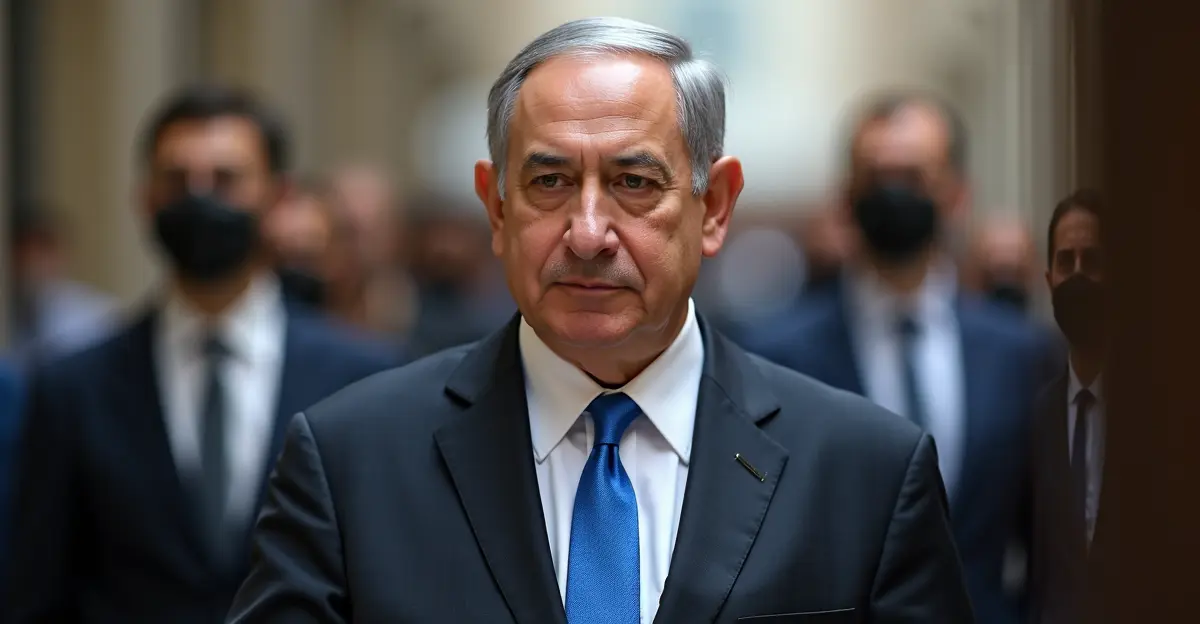
Prime Minister Benjamin Netanyahu faces mounting pressure at home. Far-right ministers Itamar Ben-Gvir and Bezalel Smotrich have rejected any deal that requires Israel to cease operations in Lebanon. Netanyahu himself has stated that Israel will maintain a security zone in southern Lebanon indefinitely, directly contradicting the terms of the US-Iran agreement. Public anger in Israel is growing, with many feeling that the US has sidelined Israeli security concerns.
Meanwhile, Hezbollah and Israel traded heavy attacks overnight, with at least 16 people killed in Israeli airstrikes on Lebanon. Hezbollah claimed it destroyed three Israeli tanks near Nabatieh. The violence underscores the fragility of the ceasefire framework and the difficulty of implementing a deal that does not include all parties.
Market and Geopolitical Implications
Despite the diplomatic turbulence, the agreement has already had tangible effects. The Strait of Hormuz has reopened to commercial traffic, oil prices have fallen, and US stock markets hit record highs. However, critics like strategist David Roche have called the MoU a 'really bad deal' that strengthens Iran's regional position without adequately addressing its nuclear ambitions. The cancellation of the Bürgenstock talks raises questions about whether the 60-day timeline for a final deal can be met. The White House expressed hope to begin technical talks as soon as possible, but no new date has been set.
FAQ
What is the US-Iran Memorandum of Understanding?
The MoU is a 14-point framework agreement signed on June 18, 2026, between President Trump and Iranian President Pezeshkian. It outlines steps to end military hostilities, reopen the Strait of Hormuz, lift sanctions, and negotiate Iran's nuclear program within 60 days.
Why were the Switzerland talks canceled?
The talks were canceled due to unresolved logistical issues and Iran's demand for proof of US compliance with the basic agreement. Continued Israeli military operations in Lebanon also complicated the situation.
How does this affect Israel?
Israel was excluded from the negotiations and opposes the deal. Prime Minister Netanyahu has vowed to maintain Israeli operations in Lebanon, creating a direct conflict with the terms of the agreement.
What happens next?
The US and Iran have 60 days to negotiate a final deal. Technical talks may resume soon, but no new date has been announced for the next high-level meeting.
What does the IAEA say about Iran's nuclear program?
The IAEA has reported that Iran is in violation of its NPT safeguards agreement and has denied access to nuclear sites since February 2026. The MoU calls for IAEA supervision of enriched material disposition.
Sources
This article is based on reporting from NOS, The Guardian, CNBC, The New York Times, Al-Monitor, NPR, AP News, and IAEA reports.

Follow Discussion