


 Deutsch
 English
 Español
 Français
 Nederlands
 Português


 Share
Share




Netanyahu Faces Backlash After US-Iran Agreement Sidelines Israel
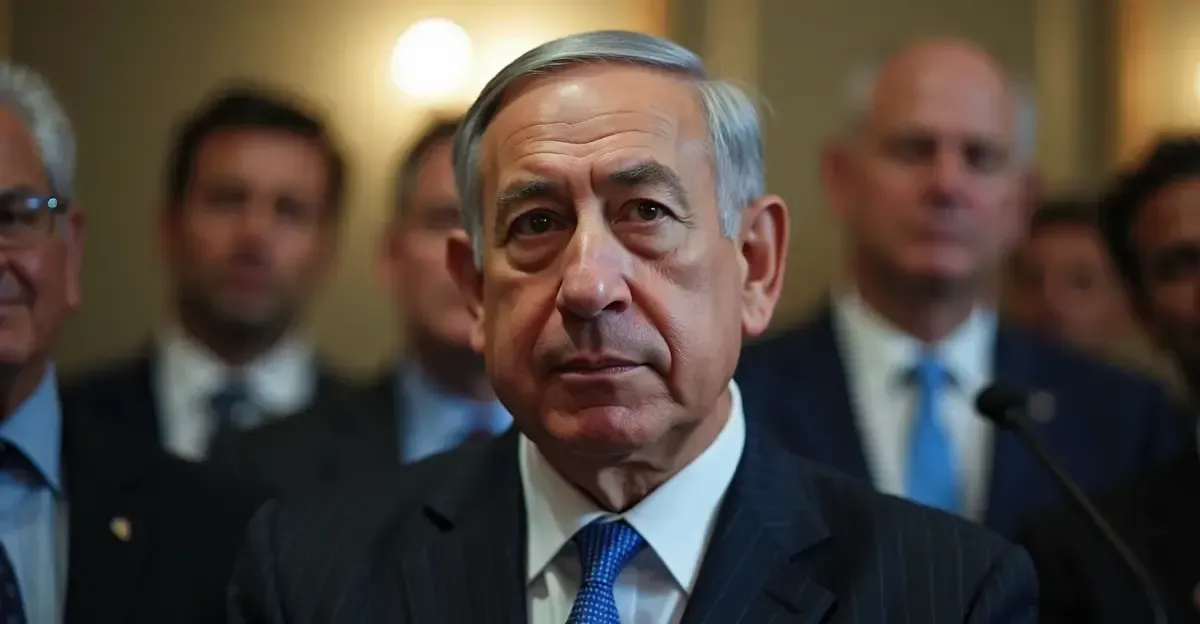
Prime Minister Benjamin Netanyahu is facing the most severe political crisis of his tenure after the United States and Iran reached an interim peace deal that was negotiated without Israeli involvement. The agreement, announced on June 14, 2026, has triggered fierce criticism from both coalition partners and opposition leaders, leaving Netanyahu trapped between his alliance with Washington and domestic political survival ahead of elections due by October 2026.
In a televised speech on June 15, Netanyahu declared that the joint US-Israeli military campaign had "saved Israel from complete annihilation" by crippling Iran's nuclear program and ballistic missile infrastructure. He listed achievements including the destruction of nuclear facilities, elimination of key scientists, and severe damage to Iran's missile production capabilities. However, the speech did little to quell the growing storm at home.
Israel Sidelined in Diplomatic Endgame
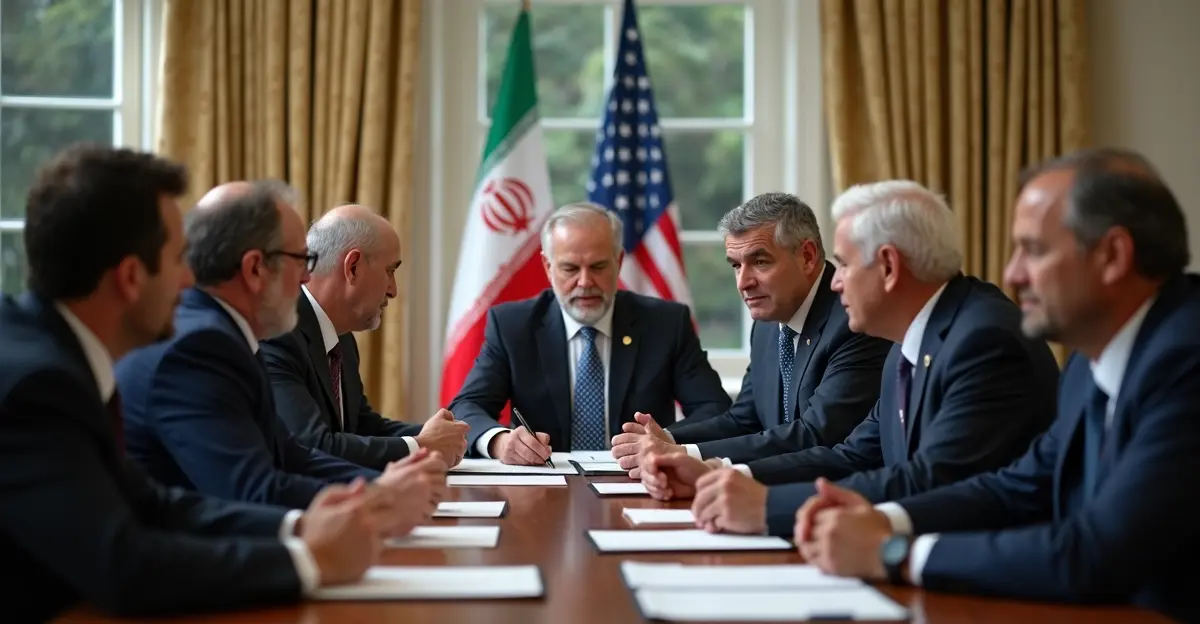
The US-Iran memorandum of understanding, set to be signed in Geneva on June 19, halts military operations and lifts the naval blockade on Iran. Crucially, it includes a separate 60-day negotiation track to decide the fate of Iran's enriched uranium stockpile — approximately 440.9 kg of uranium enriched to 60% purity, enough for roughly 10 nuclear weapons if further enriched. The deal also reportedly calls for a ceasefire in Lebanon, where Israeli forces maintain a military presence in southern buffer zones.
Netanyahu insisted Israel retains full freedom of operation and will not withdraw from Lebanon "as long as necessary," but Iran's foreign minister has made clear that ending the war in Lebanon is "inseparable" from a complete resolution. Hezbollah has also linked the final deal to an Israeli withdrawal, setting the stage for a direct clash between Netanyahu's security commitments and the terms of the US-Iran framework.
The US-Iran nuclear negotiations have exposed a growing rift between Washington and Jerusalem, with President Donald Trump reportedly frustrated by Netanyahu's continued strikes in Lebanon. Speaking from the G7 summit in Évian-les-Bains, Trump described Israel's recent attack on a Hezbollah command center in Beirut as "vicious" and "too much," warning that Netanyahu "has to be more responsible."
Domestic Political Fallout Intensifies
National Security Minister Itamar Ben-Gvir, a key far-right coalition partner, was the first to break ranks. "The Trump agreement does not bind us," he wrote on X. "Israel is not subordinate to the United States. We are an independent and sovereign state!" His comments reflect a growing rebellion within Netanyahu's own government, with other hardliners demanding Israel maintain its military operations regardless of diplomatic developments.
Opposition leaders have seized on the moment to portray Netanyahu as a failed leader. Naftali Bennett, who along with Yair Lapid leads the new Beyachad (Together) party, declared that Netanyahu's tenure "began with a civil war, continued with the October 7 massacre, and ends with a failure against Iran." Former army chief Gadi Eisenkot of the new Yashar party called Netanyahu's speech a "sad statement" because the war's objectives were not achieved. Lapid released a video cataloging what he called Netanyahu's "failures."
Recent polls show Netanyahu's Likud party remains the largest single faction, but his current coalition cannot secure a parliamentary majority. The anti-Netanyahu bloc is growing, and the 2026 Israeli election outlook suggests a potential shift in power. Bennett leads Eisenkot 46% to 39% within the opposition bloc, while head-to-head matchups between Netanyahu and Bennett remain close at 38% versus 31% respectively.
The Nuclear Question Remains Unresolved
One of the most contentious issues is what will happen to Iran's enriched uranium. Under the 60-day negotiation track, US and Iranian negotiators must address uranium disposal, international inspections, and sanctions relief. Trump has warned that military action could resume if no final nuclear understanding is reached. Iran's nuclear facilities at Natanz, Fordow, and Isfahan were damaged during the conflict but survived largely intact, giving Tehran significant leverage.
Netanyahu has long insisted that the complete dismantlement of Iran's nuclear program is a non-negotiable red line. But the emerging deal appears to leave that question open, with Israeli media asking whether the agreement effectively allows Iran to continue low-level enrichment while transferring existing stockpiles to Western custody — a scenario many in Israel view as unacceptable.
The impact of the Iran deal on Israel's security remains deeply uncertain. Defense Minister Israel Katz has vowed that the IDF will maintain a significant military presence in northern border areas and Gaza regardless of any diplomatic framework, but continued hostilities in Lebanon could destabilize the entire US-Iran agreement.
Netanyahu's Strategic Dilemma
The prime minister now faces an impossible choice. Ignoring Trump's demands risks damaging the vital US-Israel alliance, especially as Washington provided critical military support during the campaign. But complying with the deal — particularly on Lebanon — could cost him his far-right coalition partners and alienate his voter base ahead of the elections.
Netanyahu has built his political identity around confronting Iran. His claim that the war "saved Israel from nuclear annihilation" is meant to reassure supporters, but opposition leaders counter that the actual terms of the deal fall far short of the complete victory he promised. With the election approaching and the anti-Netanyahu bloc uniting around Bennett and Lapid, the prime minister's legendary survival skills face their toughest test yet.
As one Israeli political analyst noted: "Netanyahu has always managed to escape impossible situations. But this time, the trap is closing from both sides — Washington and Jerusalem — and there may be no clever maneuver left."
Frequently Asked Questions
What is the US-Iran agreement of June 2026?
The interim peace deal halts military operations between the US and Iran, lifts the naval blockade on Iran, and establishes a 60-day negotiation track to decide the fate of Iran's enriched uranium stockpile. It also reportedly includes a ceasefire in Lebanon.
Why is Netanyahu under pressure?
Netanyahu faces criticism because Israel was sidelined during negotiations, the deal does not fully dismantle Iran's nuclear program, and it requires an Israeli withdrawal from Lebanon — which his coalition partners reject. Opposition leaders call it a failure of his wartime strategy.
What happens to Iran's enriched uranium?
Under the 60-day talks, negotiators must determine how to dispose of approximately 440.9 kg of uranium enriched to 60% purity. Options include transferring it to Western custody or allowing Iran to keep low-level enrichment under strict inspections.
Will Israel withdraw from Lebanon?
Netanyahu insists Israeli forces will remain in southern Lebanon as long as necessary. However, Iran and Hezbollah have made a ceasefire conditional on Israeli withdrawal, creating a direct conflict between the deal's terms and Israel's security posture.
When are the next Israeli elections?
Israel's next legislative election must be held by October 27, 2026. Current polls show Netanyahu's Likud as the largest party but unable to form a majority coalition, while the opposition bloc led by Bennett and Lapid is gaining ground.
Sources
This article is based on reporting from NOS, Associated Press, Times of Israel, The Guardian, Haaretz, The Hill, CBS News, and Al Arabiya, as well as opinion polling data from Midgam and Kantar.


Follow Discussion