


 Deutsch
 English
 Español
 Français
 Nederlands
 Português


 Share
Share




Historic Breakthrough: US and Iran Formalize Agreement to End Hostilities
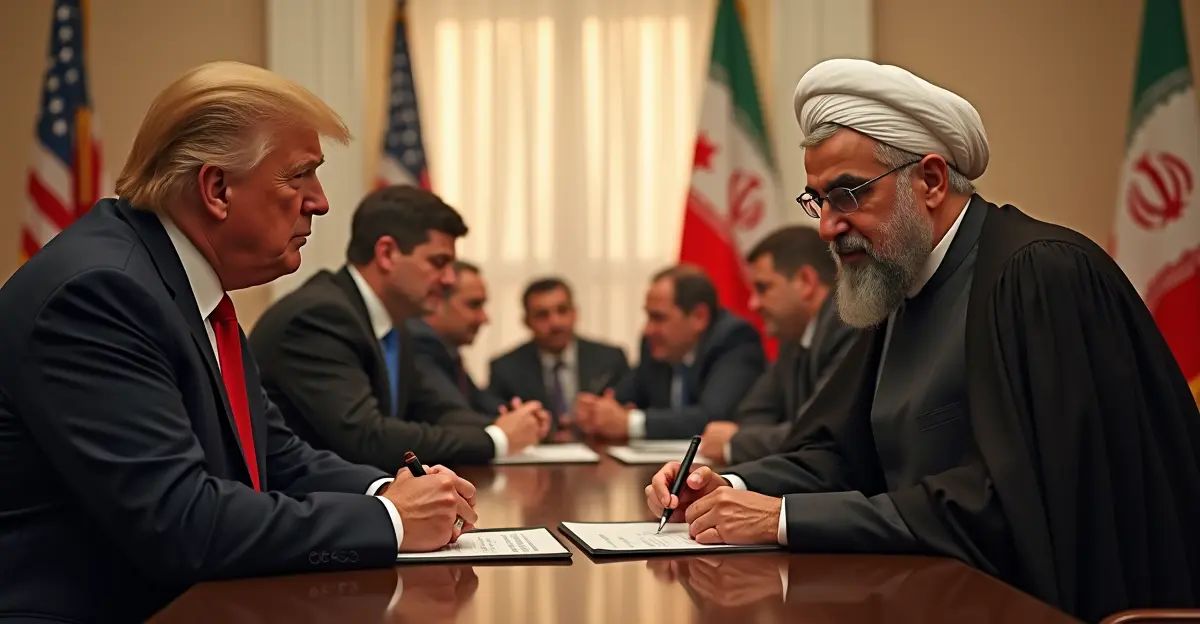
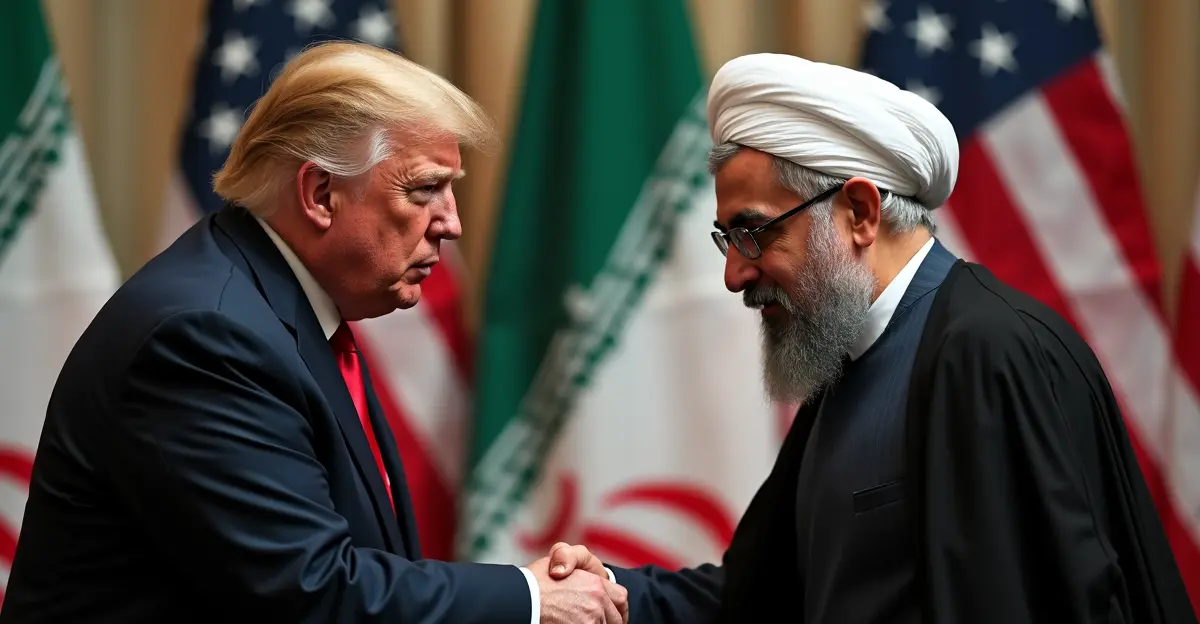
The United States and Iran have officially signed a memorandum of understanding (MoU) aimed at ending months of military conflict, reopening the strategic Strait of Hormuz, and launching a 60-day negotiation window for a comprehensive peace agreement. The document, known as the Islamabad Memorandum, was signed by U.S. President Donald Trump and Iranian President Masoud Pezeshkian on June 17, 2026, following intense diplomatic mediation by Pakistan, with support from Qatar, Saudi Arabia, Turkey, and Egypt.
The announcement was made during the G7 summit in Évian-les-Bains, France, where Trump presented the signed document to fellow world leaders. The move marks a dramatic shift in U.S.-Iran relations, which have been severed since the 1979 Islamic Revolution and the subsequent hostage crisis.
What Does the US-Iran Memorandum of Understanding Contain?
The 14-point interim understanding, which takes immediate effect, outlines several key commitments from both sides. The full text was released by the White House and Iran's state news agency IRNA, confirming details that had largely been leaked in the days prior.
Immediate Cessation of Military Operations
Both parties have agreed to an immediate and permanent termination of all military operations on all fronts, including in Lebanon. The U.S. will cease all airstrikes and naval actions, while Iran will halt attacks on U.S. and allied forces in the region. Mutual respect for sovereignty and territorial integrity is a cornerstone of the agreement.
Reopening of the Strait of Hormuz
Within 30 days, the United States will fully lift its naval blockade of Iranian ports. In return, Iran will facilitate safe passage for commercial vessels through the Strait of Hormuz, a critical chokepoint through which about 20% of the world's oil passes. Iran will retain control of the strait and may charge usage fees but will not impede shipping for 60 days while negotiations continue.
$300 Billion Reconstruction and Sanctions Relief
The U.S. has committed to working with regional partners to develop a plan worth at least $300 billion for the reconstruction and economic development of Iran. All U.S. and UN sanctions against Iran will be lifted on an agreed schedule, and Iran's frozen foreign assets will be released. Iran will also be permitted to resume oil exports immediately, a move that has already caused global oil prices to fall sharply, with WTI dropping to around $80 per barrel and Brent to $83.
Similar to the 2025 Iran nuclear deal framework, the current agreement defers the most contentious issues to later negotiations.
Nuclear Program: Status Quo and Future Talks
One of the most sensitive areas of the agreement concerns Iran's nuclear program. Under the MoU, Iran reaffirms that it will not develop or acquire nuclear weapons. Its enriched uranium stockpile will be downblended under supervision of the International Atomic Energy Agency (IAEA). However, the precise limits and verification mechanisms are left to the 60-day negotiation period for a final comprehensive agreement. Until then, both sides will maintain the status quo regarding Iran's nuclear program and U.S. troop presence in the region.
Global Reactions and Geopolitical Implications
The deal has been broadly welcomed by G7 leaders, including the U.K., France, Germany, Italy, and Japan. European nations signaled readiness to lift their own sanctions in exchange for verifiable nuclear commitments. EU Commission President Ursula von der Leyen cautioned that lasting peace in the Middle East also requires addressing the situation in Lebanon.
However, the agreement has created friction with Israel. Prime Minister Benjamin Netanyahu, who had launched a joint military campaign with the U.S. aimed at toppling Iran's clerical regime, expressed reservations. Trump acknowledged a 'small disagreement' with Netanyahu over Lebanon, reportedly telling the Israeli leader: 'You don't have to knock down a building every time someone from Hezbollah walks in.' Netanyahu later claimed the war's main goals had been achieved, but analysts see a growing rift between the two leaders.
Experts in Middle East peace negotiations note that the Islamabad Memorandum is a framework rather than a final settlement, and many critical issues remain unresolved.
What Happens Next: The 60-Day Negotiation Window
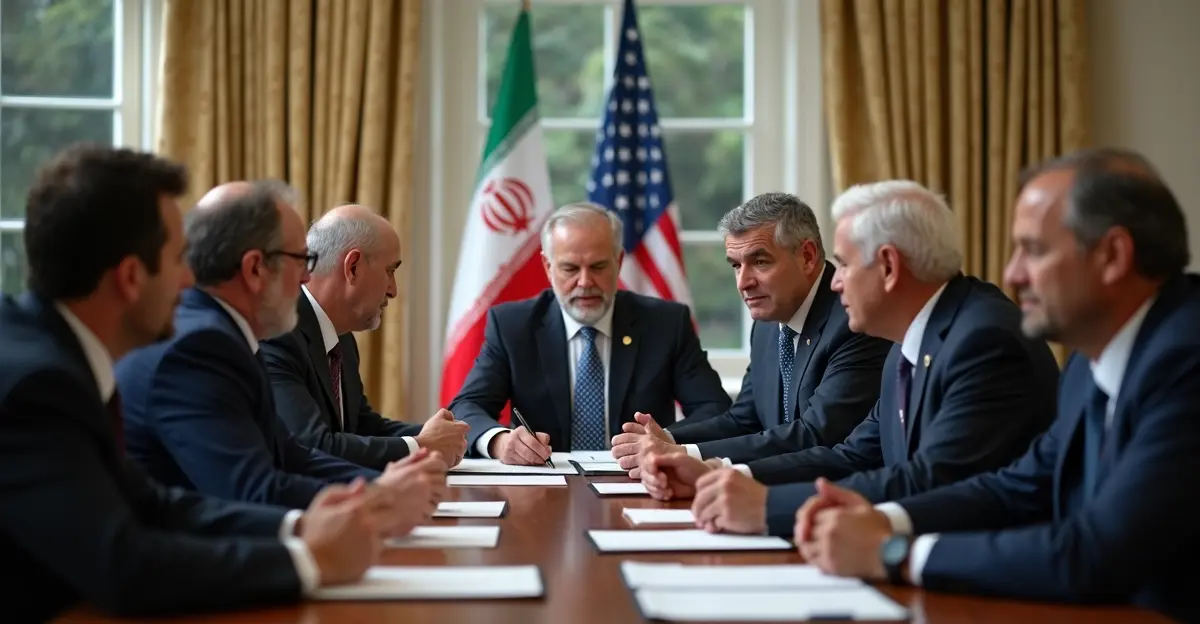
The MoU triggers a 60-day period during which the U.S. and Iran will negotiate a definitive peace agreement. Key issues still on the table include: the future of Iran's ballistic missile program, the extent of sanctions relief, the role of Iran's network of non-state allies (including Hezbollah and Hamas), and the final status of Iran's nuclear enrichment capabilities. A binding UN Security Council resolution is expected to endorse the final deal.
The agreement was electronically signed by U.S. Vice President J.D. Vance and Iranian Parliament Speaker Mohammad-Bagher Ghalibaf, with the final signatures added by Trump and Pezeshkian. Pakistan's Prime Minister Shehbaz Sharif hailed the accord as a major diplomatic achievement, crediting Pakistan's civilian and military leadership alongside the facilitating nations.
For the global economy, the reopening of the Strait of Hormuz is the most immediate benefit. Oil markets have already responded positively, but analysts caution that it could take weeks or months for oil flows to fully normalize. The impact of Hormuz reopening on oil prices will be closely monitored in the coming days.
Frequently Asked Questions
What is the Islamabad Memorandum?
The Islamabad Memorandum is a 14-point memorandum of understanding between the United States and Iran, signed on June 17, 2026, that provides a framework for ending the war, reopening the Strait of Hormuz, and launching negotiations for a comprehensive peace deal.
Who brokered the US-Iran deal?
The deal was primarily brokered by Pakistan, with facilitation from Qatar, Saudi Arabia, Turkey, and Egypt. Pakistan's Prime Minister Shehbaz Sharif announced the signing.
When will sanctions on Iran be lifted?
The U.S. has committed to lifting all sanctions, including UN Security Council resolutions, on an agreed schedule. The naval blockade will be lifted within 30 days, and Iran can immediately resume oil exports.
Does the deal address Iran's nuclear program?
Partially. Iran has reaffirmed it will not seek nuclear weapons, and enriched uranium will be downblended under IAEA supervision. However, the precise terms are deferred to the 60-day negotiation period for a final agreement.
How has Israel reacted to the deal?
Israel's Prime Minister Benjamin Netanyahu has expressed caution, acknowledging a disagreement with Trump over the pace of operations in Lebanon. Netanyahu claims Israel's war goals were achieved but has not fully endorsed the U.S.-Iran agreement.


Follow Discussion