


 Deutsch
 English
 Español
 Français
 Nederlands
 Português


 Share
Share




What is the US-Iran Conflict Impacting Wall Street?
Wall Street opened sharply lower on Monday, April 13, 2026, as failed peace talks between the United States and Iran over the weekend in Islamabad sparked renewed fears of prolonged conflict in the Middle East. The Dow Jones Industrial Average dropped 0.5% to 47,680 points shortly after market opening, while the S&P 500 fell 0.2% to 6,799 points and the tech-heavy Nasdaq declined 0.3% to 22,843 points. This market downturn follows what had been the best week for US stock indices in 2026, with the S&P 500 gaining 3.6% and the Nasdaq climbing 4.7% last week on hopes of a ceasefire agreement.
Failed Peace Talks and Geopolitical Escalation
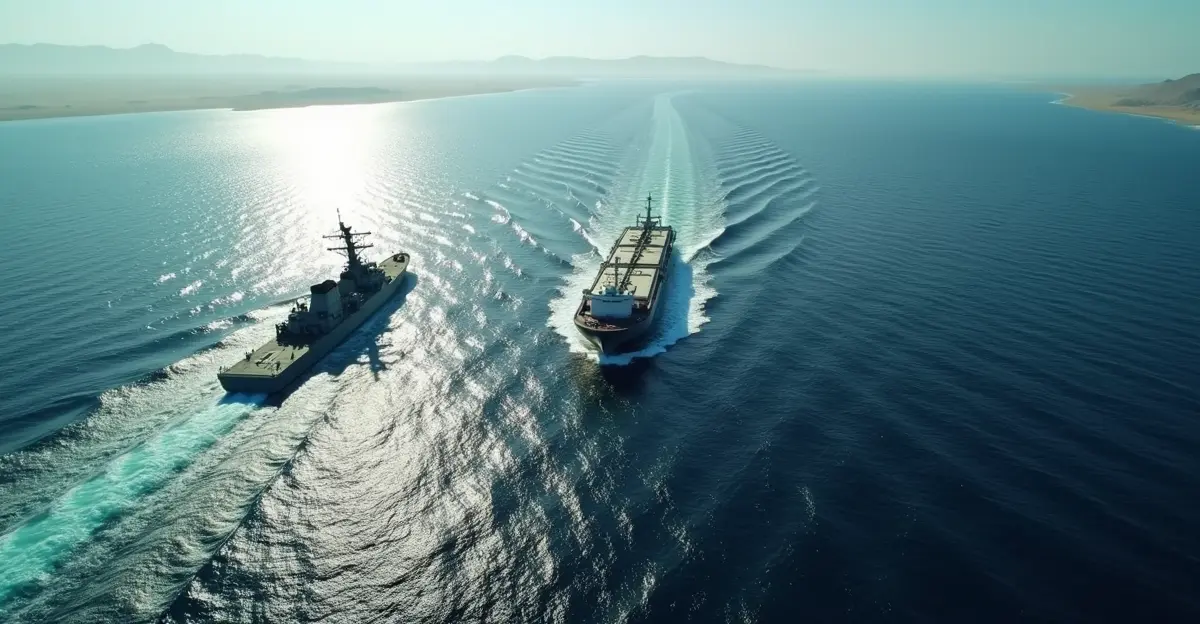
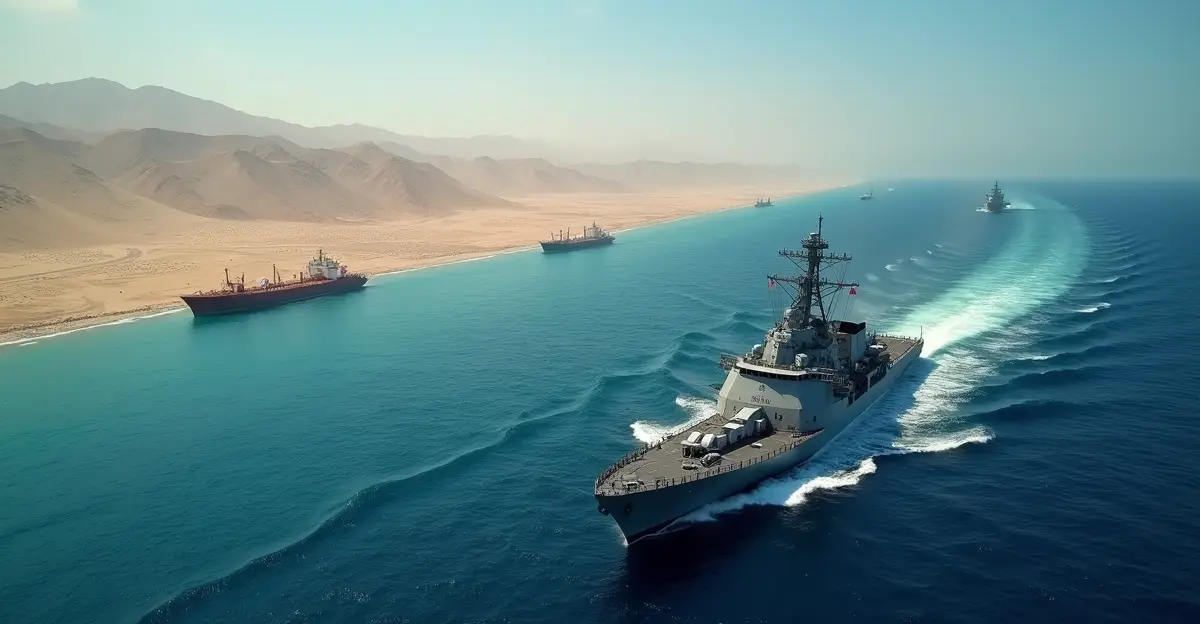
The breakdown in diplomatic negotiations between US Vice President JD Vance and Iranian officials in Islamabad has triggered significant market anxiety. The talks collapsed due to Iran's unwillingness to halt its nuclear weapons development program, according to US officials. In response, President Donald Trump announced that the US Navy would begin blockading the Strait of Hormuz, a critical waterway through which approximately 20% of the world's seaborne oil and 25% of liquefied natural gas passes annually.
Oil Price Surge and Energy Market Impact
Following the failed negotiations, oil prices surged dramatically, with Brent crude jumping 7% to $101.90 per barrel and US crude rising similarly to above $100 per barrel. This represents a significant reversal from last week's price declines that followed a temporary two-week ceasefire announcement. The global energy crisis has intensified as the Strait of Hormuz blockade threatens to disrupt one of the world's most critical oil transportation routes.
Sector Performance: Winners and Losers
The market reaction has created clear winners and losers across sectors. Energy companies including Chevron, Exxon Mobil, and ConocoPhillips gained up to 2% on higher fuel prices. Conversely, travel and transportation stocks suffered significant losses, with Delta Air Lines and JetBlue Airways falling up to 3.3% due to concerns about rising fuel costs. The aviation industry challenges have been exacerbated by this latest geopolitical development.
Market Context and Historical Comparison
This market downturn comes at a critical time as Wall Street enters earnings season, with major financial institutions including Citigroup, Wells Fargo, JPMorgan Chase, Morgan Stanley, and Bank of America scheduled to report quarterly results this week. Goldman Sachs opened its books on Monday, reporting better-than-expected quarterly results but still seeing its stock decline 4% amid the broader market pessimism.
What Makes This Situation Different?
Unlike previous Middle East conflicts, the current situation involves a direct threat to the Strait of Hormuz, which serves as the only sea passage from the Persian Gulf to the open ocean. Research from the Federal Reserve Bank of Dallas indicates that a one-quarter closure of the strait could raise West Texas Intermediate oil prices to $98 per barrel and reduce global real GDP growth by 2.9 percentage points annually. If the closure persists for multiple quarters, oil prices could surge to $132 per barrel with prolonged negative impacts on global economic growth.
Economic Implications and Investor Concerns
Investors are particularly concerned about several key factors:
- Energy Inflation: Higher oil prices translate directly to increased costs for businesses and consumers worldwide
- Supply Chain Disruption: The Strait of Hormuz blockade threatens global shipping routes beyond just oil transportation
- Economic Growth: Rising energy costs could slow economic recovery and increase inflationary pressures
- Market Volatility: Continued geopolitical uncertainty creates unpredictable trading conditions
Financial analysts note that the current situation represents one of the most significant geopolitical oil supply disruptions in history, potentially three to five times larger than previous crises like those in 1973 and 1990. The global economic outlook has become increasingly uncertain as diplomatic efforts falter.
FAQ: Frequently Asked Questions
Why did Wall Street markets drop on April 13, 2026?
Wall Street markets declined due to failed peace talks between the US and Iran, which raised fears of prolonged conflict and prompted President Trump to announce a blockade of the Strait of Hormuz, threatening global oil supplies.
How much did oil prices increase after the failed talks?
Brent crude oil surged 7% to $101.90 per barrel, while US crude rose similarly above $100 per barrel following the announcement of the Strait of Hormuz blockade.
What is the Strait of Hormuz and why is it important?
The Strait of Hormuz is a critical waterway between the Persian Gulf and Gulf of Oman that carries approximately 20% of the world's seaborne oil and 25% of liquefied natural gas annually. It's considered one of the world's most strategically important choke points for global energy supplies.
Which sectors gained and which lost in the market reaction?
Energy companies like Chevron and Exxon Mobil gained up to 2% on higher oil prices, while travel and transportation stocks including Delta Air Lines and JetBlue Airways fell up to 3.3% due to rising fuel cost concerns.
What are the potential economic impacts of this situation?
Research suggests a prolonged Strait of Hormuz closure could reduce global GDP growth by 2.9 percentage points annually and push oil prices as high as $132 per barrel, creating significant inflationary pressures worldwide.




Follow Discussion