


 Deutsch
 English
 Español
 Français
 Nederlands
 Português


 Share
Share




Saudi Aramco Posts $33.6 Billion Q1 Profit as Middle East War Drives Oil Prices
Saudi Aramco, the world's largest oil company, reported a staggering 26% year-on-year jump in first-quarter net profit to $33.6 billion, fueled by the ongoing war in the Middle East and the blockade of the Strait of Hormuz. The state-owned Saudi oil giant's adjusted net income rose from $26.6 billion in Q1 2025, beating analyst forecasts of $31.2 billion. The surge in profits underscores how major oil companies are capitalizing on the worst energy supply disruption since the 1970s.
How the Strait of Hormuz Blockade Boosted Aramco's Earnings
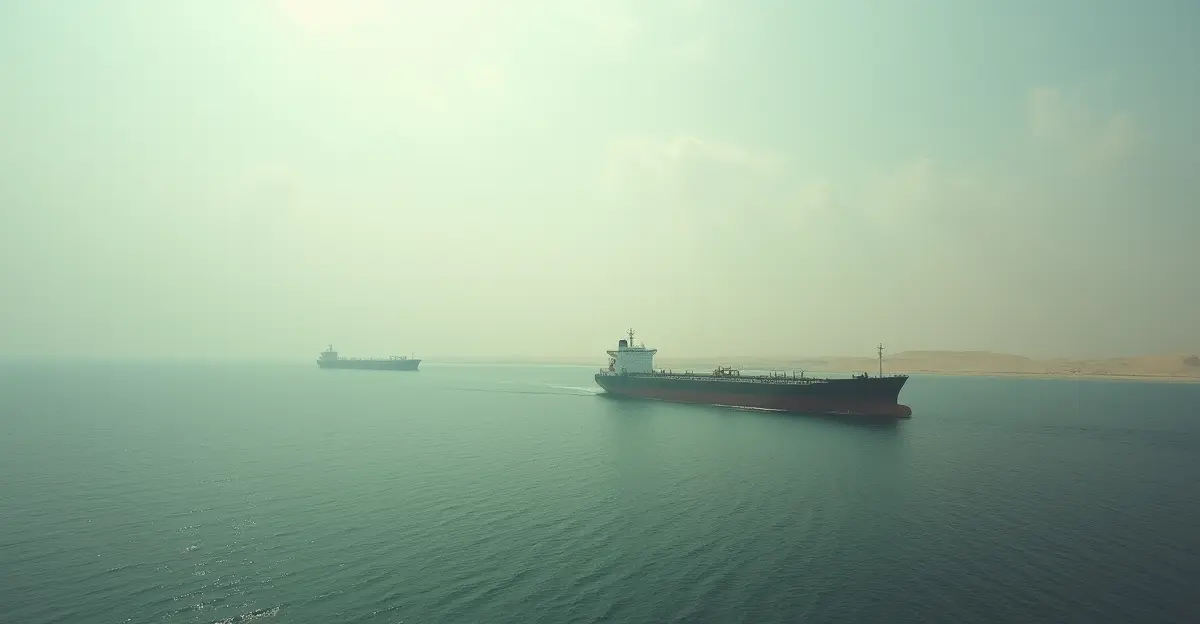
The conflict began on February 28, 2026, when US and Israeli forces launched airstrikes against Iranian infrastructure. In retaliation, Iran's Revolutionary Guard Corps blockaded the Strait of Hormuz — a critical chokepoint through which roughly 20% of the world's traded oil flows. Oil prices skyrocketed, with Brent crude surging 95% over the first quarter to peak at $119.50 per barrel — the highest level in four years.
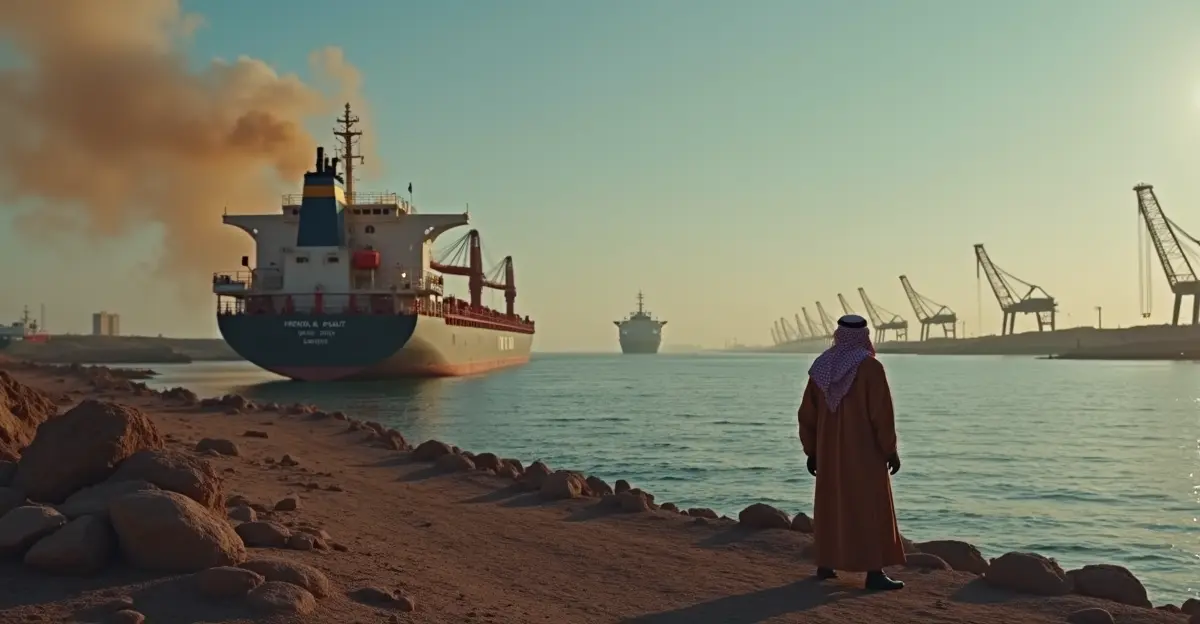
While Aramco's production fell from 11.1 million barrels per day (bpd) in Q4 2025 to 7 million bpd in Q1 2026 due to export constraints, the company's East-West Pipeline — a 1,200-kilometer strategic asset running from the eastern oil fields to the Red Sea — became a critical lifeline. The pipeline reached its maximum capacity of 7 million bpd, allowing Aramco to bypass the blocked strait entirely.
CEO Amin H. Nasser said: 'Our East-West Pipeline has proven to be a critical supply artery, mitigating the impact of the global energy shock and demonstrating the resilience of our infrastructure.' He noted that while the pipeline cannot fully replace the capacity lost through the Strait of Hormuz, it has been instrumental in maintaining the company's export capability.
Comparison: Aramco Q1 2026 vs Q1 2025
- Adjusted net income: $33.6 billion (up from $26.6 billion, +26%)
- Quarter-on-quarter growth: Up 34% from $25.1 billion in Q4 2025
- Base dividend: $21.9 billion (up 3.5% year-on-year)
- Average realized crude price: $76.9 per barrel
- Cash flow from operations: $30.7 billion
- Gearing ratio: 4.8% (low leverage)
Global Energy Market in Turmoil
The International Energy Agency (IEA) called the Strait of Hormuz closure 'the largest supply disruption in the history of the global oil market.' An estimated 7.5 million bpd of crude production was shut in across Iraq, Saudi Arabia, Kuwait, UAE, Qatar, and Bahrain in March 2026, rising to 9.1 million bpd in April. The IEA launched its largest-ever emergency stock release — 400 million barrels — and coordinated demand-reduction measures across dozens of countries.
Other oil majors also posted bumper profits. Shell reported a 19% profit jump to $5.69 billion in Q1 2026, while the 2025 bank heist in Berlin earlier had drawn attention to a different kind of financial disruption. The EU carbon border tax has also been debated as a potential long-term policy response to energy price volatility.
Brent crude oil prices surged to $103 per barrel in March and were forecast to peak at $115 per barrel in Q2 2026, according to the US Energy Information Administration. US retail gasoline reached $3.99 per gallon, and diesel hit $5.40 per gallon — the highest in over two years. Jet fuel prices more than doubled, raising concerns about airline operations and global logistics.
Strategic Shift: Pipeline Over Tankers
Aramco's ability to reroute exports through its domestic pipeline network represents a strategic shift in global oil logistics. Before the conflict, the vast majority of Saudi crude exports passed through the Strait of Hormuz. Now, the East-West Pipeline is operating at full capacity, and the company is exploring options to expand its Red Sea export infrastructure.
However, war-risk insurance premiums for tankers have surged by 500%, and only sovereign-backed vessels from China, India, and Pakistan can afford the costs. The cryptocurrency regulation landscape has also evolved as investors seek alternative assets amid energy market turmoil.
Aramco's board approved a $21.9 billion base dividend for Q1 2026 — a 3.5% year-on-year increase — signaling confidence in the company's cash generation despite the volatile environment. The company's gearing ratio remains low at 4.8%, giving it significant financial flexibility for future investments.
Impact on Global Economy and Consumers
The energy crisis is rippling through the global economy. The IEA has implemented a policy response tracker monitoring measures across dozens of countries, including remote work mandates, speed limit reductions, fuel rationing, and public awareness campaigns. Developing nations in Asia and Africa face the most severe impacts, with many struggling to afford higher energy import bills.
Negotiations between the US and Iran in Islamabad led to a conditional reopening of the Strait of Hormuz in early April, but the situation remains fragile. Iran's hard-line demands include a $2 million transit fee per vessel, sanctions relief, and UN Security Council recognition of its sovereignty over the strait. Analysts warn that even if a ceasefire holds, the energy market will take months to stabilize.
Frequently Asked Questions
How much profit did Saudi Aramco make in Q1 2026?
Saudi Aramco reported an adjusted net income of $33.6 billion for the first quarter of 2026, a 26% increase compared to $26.6 billion in Q1 2025.
Why did Aramco's profits surge during the Middle East war?
The profits surged because oil prices spiked dramatically after Iran blockaded the Strait of Hormuz on February 28, 2026. Brent crude rose 95% in Q1, and Aramco's East-West Pipeline allowed it to continue exporting oil via the Red Sea, bypassing the blocked strait.
How much oil is Aramco producing during the crisis?
Aramco's production fell from 11.1 million barrels per day in Q4 2025 to about 7 million bpd in Q1 2026 due to export constraints from the Strait of Hormuz blockade.
What is the East-West Pipeline and why is it important?
The East-West Pipeline is a 1,200-km pipeline that runs across Saudi Arabia from the eastern oil fields to the Red Sea. It has a maximum capacity of 7 million bpd and has become Aramco's primary export route since the Strait of Hormuz was blocked.
How does the Strait of Hormuz crisis affect global oil prices?
The Strait of Hormuz handles about 20% of the world's seaborne oil trade. Its blockade removed an estimated 9-11 million bpd from global markets, causing Brent crude to surge from around $70 per barrel before the conflict to a peak of $119.50 per barrel.
Sources
Information in this article is based on reports from NOS, CNBC, AP News, Reuters, the International Energy Agency, the US Energy Information Administration, and official statements from Saudi Aramco. Data reflects the latest available as of May 11, 2026.



Follow Discussion