


 Deutsch
 English
 Español
 Français
 Nederlands
 Português


 Share
Share




The Strait of Hormuz, a narrow waterway through which 20-30% of the world's fertilizer trade normally flows, has been effectively closed since late February 2026 amid escalating conflict in the Middle East. According to the World Bank's April 2026 Commodity Markets Outlook, fertilizer prices have surged 31% since the blockade began, with urea prices spiking 80% to above $850 per metric ton. As planting seasons approach across import-dependent nations in Africa and South Asia, the crisis threatens to metastasize from an energy chokepoint into a full-blown food security emergency, potentially pushing 45 million more people into acute hunger.
How a Maritime Blockade Became a Food Crisis
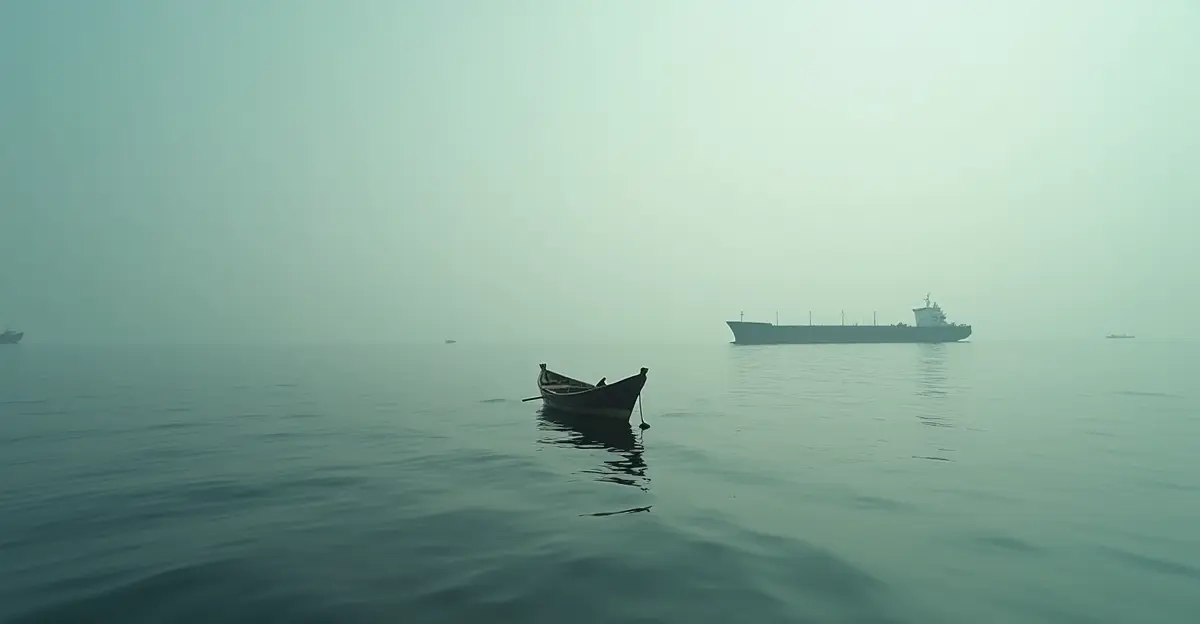
The Strait of Hormuz is one of the world's most strategically vital maritime chokepoints. Normally, about 130 ships transit the strait daily, carrying roughly 20% of global liquefied natural gas and 25% of seaborne oil. But the strait's importance extends far beyond energy: approximately 34% of globally traded urea and 23% of traded ammonia — both critical nitrogen-based fertilizers — pass through these waters. Since the blockade began, ship traffic has fallen by over 95%, according to a UNCTAD report, dropping to single digits per day.
Nitrogen fertilizers are produced primarily from natural gas, and the Gulf States — particularly Iran, Qatar, and Saudi Arabia — are among the world's largest producers. Iran has halted ammonia production entirely, while Qatar has suspended urea and ammonia output. The result is a sudden, severe contraction in global fertilizer supply at the worst possible time: spring planting season in the Northern Hemisphere.
The global fertilizer supply chain operates on a just-in-time basis with minimal strategic reserves, unlike oil which benefits from substantial stockpiles. This makes the market acutely vulnerable to disruption. The World Bank's fertilizer price index rose over 12% in Q1 2026 alone, reaching its highest level since October 2022. Diammonium phosphate (DAP) prices rose over 10% in April, while muriate of potash (MOP) posted more modest but still significant gains.
45 Million More at Risk of Acute Hunger
The human toll of this crisis is already being calculated. The UN World Food Programme (WFP) warns that nearly 45 million additional people could fall into acute food insecurity (IPC Phase 3 or above) if the conflict persists past mid-2026 and oil prices remain above $100 per barrel. This would add to the 318 million already food-insecure people worldwide, potentially matching record levels seen during the 2022 Ukraine war.
Sub-Saharan Africa and South Asia are most vulnerable due to their heavy reliance on food and fuel imports. The WFP projects increases of 24% in Asia, 21% in West and Central Africa, and 17% in East and Southern Africa. Countries already grappling with conflict and climate shocks — including Sudan, Somalia, Mozambique, Kenya, and Sri Lanka — face the most severe risks.
"The spike in global food and fuel costs could leave millions of families priced out of staple foods, particularly in import-dependent countries like sub-Saharan Africa and Asia," warned a UN spokesperson in March 2026.
The food security crisis in Africa is particularly acute. According to the World Bank's May 2026 Food Security Update, up to 67 million people need food assistance in East and Southern Africa, while nearly 52.9 million are projected to be acutely food insecure in West and Central Africa during the June-August 2026 lean season.
Yara CEO Warns of Billions of Lost Meals
Svein Tore Holsether, CEO of Yara International — one of the world's largest fertilizer producers — has been among the most vocal industry voices warning of the crisis. In a March 2026 interview with CNBC, Holsether stated that disruption to fertilizer flows through the Strait of Hormuz risks jeopardizing up to 20 billion meals per week globally.
"Without nitrogen fertilizer, crop yields can drop by up to 50% in the first season," Holsether said. The FAO notes that nearly 1.07 billion people rely on food produced from imported nitrogen fertilizers. Rising costs are already pushing farmers in developing countries to reduce fertilizer usage, threatening crop production for staple foods like wheat, rice, and corn.
FAO Chief Economist Maximo Torero warned that a three-month blockade would affect farmers globally, significantly dropping harvests. The impact of fertilizer prices on crop yields is expected to be most severe in regions with limited purchasing power and weak social safety nets.
UN Task Force Races Against Time
In response to the escalating crisis, UN Secretary-General Antonio Guterres launched an interagency task force in April 2026 to facilitate the safe passage of life-saving fertilizer shipments through the Strait of Hormuz. Headed by UNOPS Executive Director Jorge Moreira da Silva, the task force aims to create a one-stop platform to approve and monitor fertilizer shipments, requiring just seven days to become operational once combatants grant permission.
"While diplomatic efforts continue, the world cannot wait for a full resolution before addressing looming food insecurity," da Silva emphasized. The task force draws lessons from the Black Sea Grain Initiative and other conflict-zone mechanisms that successfully maintained trade flows during previous crises.
The mechanism would cover shipments of urea, ammonia, potash, and phosphates — the four key fertilizer types essential for global agriculture. Countries most at risk, including Sudan, Somalia, Mozambique, Kenya, and Sri Lanka, would be prioritized.
Policy Options to Avert a Humanitarian Catastrophe
Beyond the UN task force, several policy measures could help mitigate the crisis. The World Bank recommends expanding land-based trade corridors to bypass the Strait of Hormuz, though these routes have limited capacity. Strategic fertilizer reserves, similar to petroleum reserves, could provide a buffer against future disruptions — a lesson many nations are now belatedly considering.
Financial support for smallholder farmers in vulnerable countries is critical. The FAO's 2026 Global Emergency and Resilience Appeal emphasizes that each dollar invested in agriculture generates $3 in local food value, yet only 5% of humanitarian funding currently supports food production. The role of international aid in food security is being re-evaluated as the crisis unfolds.
Longer-term, the crisis underscores the need for regional fertilizer production capacity in Africa and South Asia, reducing dependence on a single maritime chokepoint. The African Union has called for accelerated investment in local fertilizer manufacturing, though such projects take years to materialize.
FAQ: The Strait of Hormuz Fertilizer Crisis
How much fertilizer passes through the Strait of Hormuz?
Approximately 20-30% of globally traded fertilizer, including 34% of urea and 23% of ammonia, transits the Strait of Hormuz. This represents a critical share of the world's nitrogen fertilizer supply.
Why are fertilizer prices rising so sharply?
The blockade has halted production in Iran and Qatar, two major producers, while shipping costs have soared due to war risk insurance premiums and longer alternative routes. The World Bank's fertilizer price index rose 31% in early 2026, with urea prices up 80%.
Which countries are most at risk?
Import-dependent nations in sub-Saharan Africa (Sudan, Somalia, Mozambique, Kenya) and South Asia (Sri Lanka, Bangladesh) are most vulnerable. These countries already face high levels of food insecurity and limited fiscal capacity to absorb price shocks.
How many people could be affected?
The WFP projects up to 45 million additional people could fall into acute food insecurity. Yara International warns that up to 20 billion meals per week could be lost globally due to reduced fertilizer availability.
What is the UN doing to address the crisis?
The UN has established an interagency task force to create a safe passage mechanism for fertilizer shipments through the Strait of Hormuz. The mechanism, which could become operational within seven days of combatant approval, would approve and monitor critical fertilizer deliveries.
Conclusion: A Looming Humanitarian Emergency
The Strait of Hormuz crisis represents one of the most urgent global supply chain disruptions of 2026. Unlike previous energy-driven shocks, this crisis directly threatens the food supply of billions of people by targeting the fertilizers essential for crop production. With planting seasons already underway in Africa and ending in May, the window for action is narrow. The UN task force offers a glimmer of hope, but diplomatic solutions remain elusive. Without immediate intervention, the world faces a cascading humanitarian emergency that could push tens of millions into hunger and undo years of progress in food security.


Follow Discussion