


 Deutsch
 English
 Español
 Français
 Nederlands
 Português


 Share
Share




The Impact of Heatwaves on Agriculture
As global temperatures continue to rise, heatwaves are becoming more frequent and intense, posing significant challenges to agriculture. These extreme weather events are not only reducing crop yields but also affecting the quality of produce, threatening food security worldwide.
Reduced Yields and Nutritional Deficiencies
Heatwaves disrupt the growth cycles of crops, leading to lower yields. For example, staple crops like wheat, corn, and rice are particularly vulnerable to high temperatures. Research indicates that prolonged heat exposure can reduce the nutritional value of these crops, including lower levels of essential micronutrients such as zinc and iron.
Water Scarcity and Soil Degradation
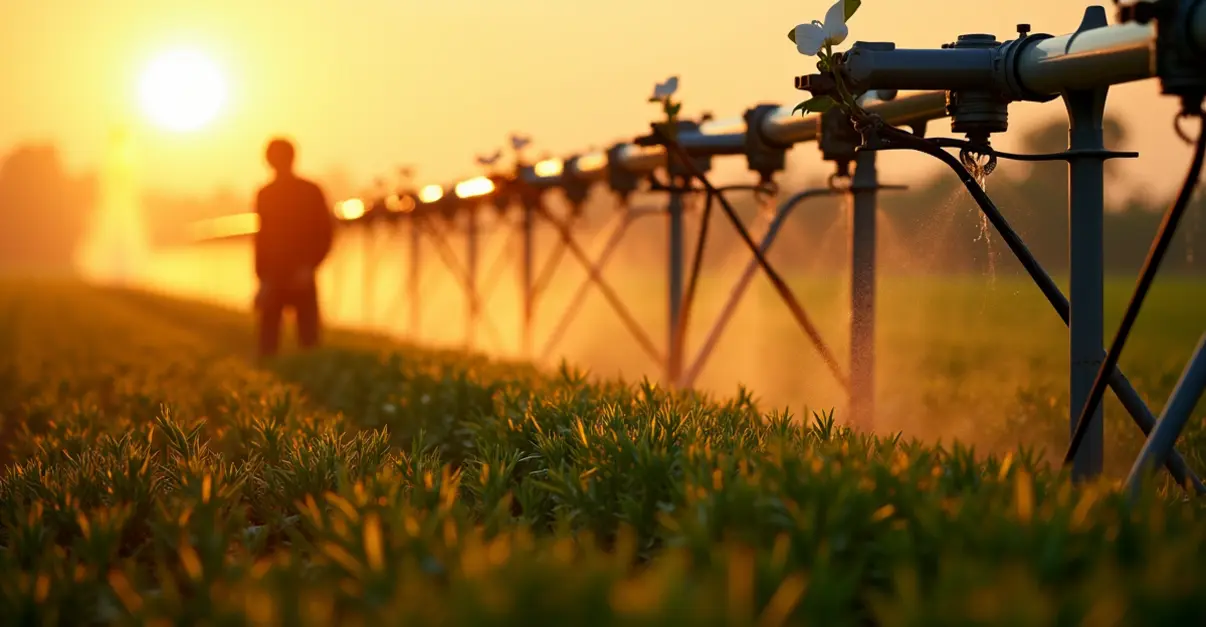
Heatwaves exacerbate water scarcity, as increased evaporation rates deplete soil moisture. This forces farmers to rely more heavily on irrigation, which is often unsustainable. Additionally, extreme heat can degrade soil quality, reducing its fertility and making it harder for crops to thrive.
Pests and Diseases
Warmer temperatures create favorable conditions for pests and diseases, which can further damage crops. For instance, the spread of mycotoxin-producing fungi and invasive insects like the fall armyworm has been linked to rising temperatures, compounding the challenges faced by farmers.
Economic and Social Consequences
The agricultural sector is a cornerstone of many economies, and heatwaves are disrupting livelihoods. Small-scale farmers, in particular, are at risk of financial instability due to crop failures. Moreover, food prices are expected to rise as supply chains are strained, affecting consumers globally.
Adaptation Strategies
Farmers and policymakers are exploring various adaptation strategies, such as drought-resistant crop varieties, improved irrigation techniques, and agroforestry. However, these measures require significant investment and time to implement effectively.
For more information, visit the EPA's Climate Change Impacts on Agriculture page.


Follow Discussion