


 Deutsch
 English
 Español
 Français
 Nederlands
 Português


 Share
Share




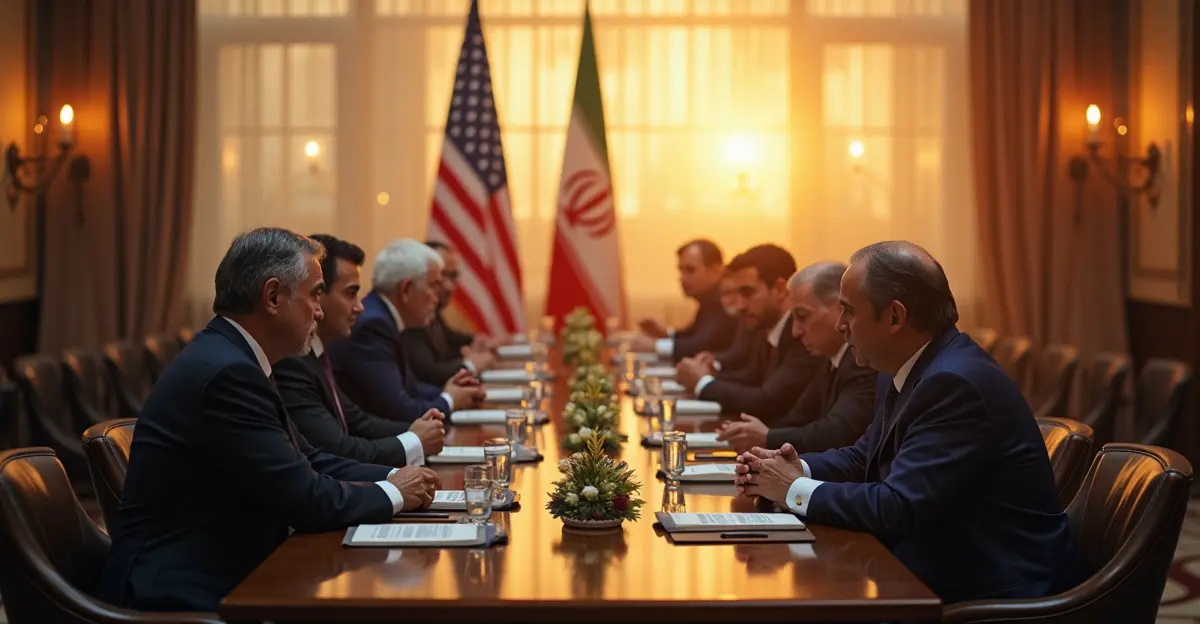
The United States and Iran have included a landmark $300 billion private investment fund in their framework agreement, designed to stimulate economic reconstruction in Iran and provide both sides with a powerful financial incentive to finalize a peace deal. According to exclusive reporting from Reuters, more than half of that sum—over $150 billion—has already been committed by companies from the United States, Gulf Arab states, Asia, South America, and Africa, spanning key sectors such as energy, logistics, manufacturing, and transport.
The fund, officially named the Reconstruction and Development Fund, is a private investment vehicle and contains no government money or grants. It is entirely separate from ongoing negotiations over lifting U.S. sanctions and releasing frozen Iranian assets. The framework agreement comes after a devastating war that began on February 28, 2026, when U.S. and Israeli forces launched a coordinated attack on Iran, killing Supreme Leader Ali Khamenei and triggering a regional conflict that has claimed thousands of lives and disrupted global energy markets.
What Is the US-Iran Reconstruction and Development Fund?
The Reconstruction and Development Fund is a proposed $300 billion private investment vehicle outlined in the U.S.-Iran framework agreement. It is designed to channel private capital into Iran's war-damaged economy, funding the rebuilding of infrastructure, energy facilities, transport networks, and manufacturing capacity. The fund is structured as a purely private initiative—no government subsidies or public money are involved—and will only become operational once a final peace agreement is signed between Washington and Tehran.
A source with direct knowledge of the negotiations told Reuters that the fund is meant to give both parties an economic stake in reaching a durable settlement. "The fund is designed to give both sides an economic incentive to conclude a final deal," the source said. The framework was negotiated after Iran initially demanded $400 billion in war reparations—a request the U.S. rejected outright. The concept of a private fund emerged as a compromise, reframing compensation as reconstruction investment.
Key Terms of the US-Iran Framework Agreement
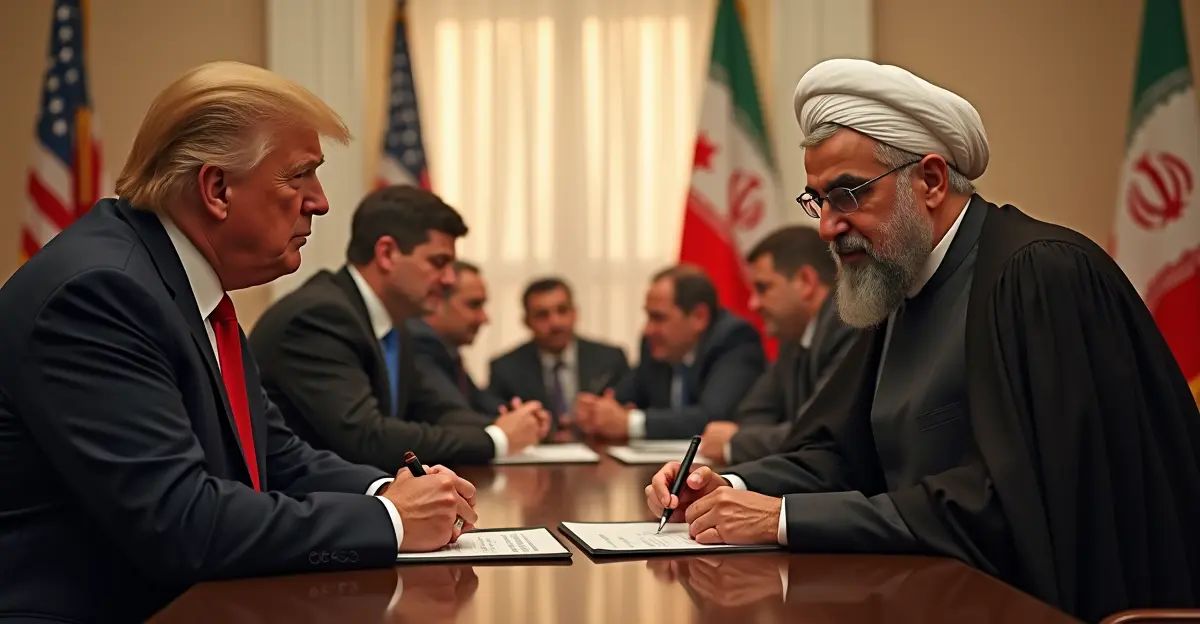
The framework agreement, scheduled to be formally signed on June 19, 2026, in Switzerland, reportedly includes a 14-point memorandum of understanding (MoU) that outlines the path to ending the conflict. While neither U.S. nor Iranian officials have confirmed all details, reports from Iran's semi-official Mehr news agency and other sources indicate the following key provisions:
- Permanent ceasefire on all fronts, including Lebanon
- Reopening of the Strait of Hormuz within 30 days under Iranian arrangements
- Lifting of the U.S. naval blockade within 30 days
- Withdrawal of U.S. forces from Iranian territory
- $300 billion in reconstruction plans via the private fund
- Ending sanctions on Iranian oil and energy products
- Iranian commitment not to produce nuclear weapons, with stringent inspections
The MoU establishes a 60-day negotiation window to finalize a comprehensive deal covering nuclear program limitations, sanctions relief, and regional security issues. The US-Iran nuclear deal framework is expected to include IAEA inspection regimes and enrichment caps similar to the 2015 Joint Comprehensive Plan of Action, from which the U.S. withdrew in 2018.
How the $300 Billion Fund Will Work
The Reconstruction and Development Fund is structured as a private investment vehicle, not a government aid program. Companies from the U.S., Gulf states, Asia, South America, and Africa have already pledged financing through loans, credit lines, or direct project funding. The investments target rebuilding war-damaged infrastructure, including oil and gas facilities, power plants, transportation networks, and manufacturing hubs.
The fund's private nature is critical: it avoids the political complications of direct government-to-government payments and allows investors to manage risk. However, the fund will only become operational after a final peace deal is signed, giving investors confidence that the political and legal environment is stable. Iran's compliance with nuclear non-proliferation commitments and a stringent inspection regime are reportedly conditions for the fund's activation.
President Donald Trump denied on Truth Social that the U.S. is paying Iran, calling such claims "Fake News." Vice President JD Vance clarified that Iran could access the funds from a Gulf Coast Coalition if it complies with the peace deal terms. The impact of Iran sanctions relief on oil markets could be significant, potentially adding millions of barrels per day to global supply and lowering energy prices.
Background: The US-Iran War of 2026
The conflict began on February 28, 2026, when the United States and Israel launched Operation Epic Fury—a coordinated military strike against Iran that killed Supreme Leader Ali Khamenei and targeted nuclear and military facilities. The attack triggered a regional war that drew in proxy forces across the Middle East, disrupted shipping through the Strait of Hormuz, and sent oil prices soaring. According to independent estimates, the war cost U.S. taxpayers approximately $34.34 billion over 108 days of active and ceasefire operations.
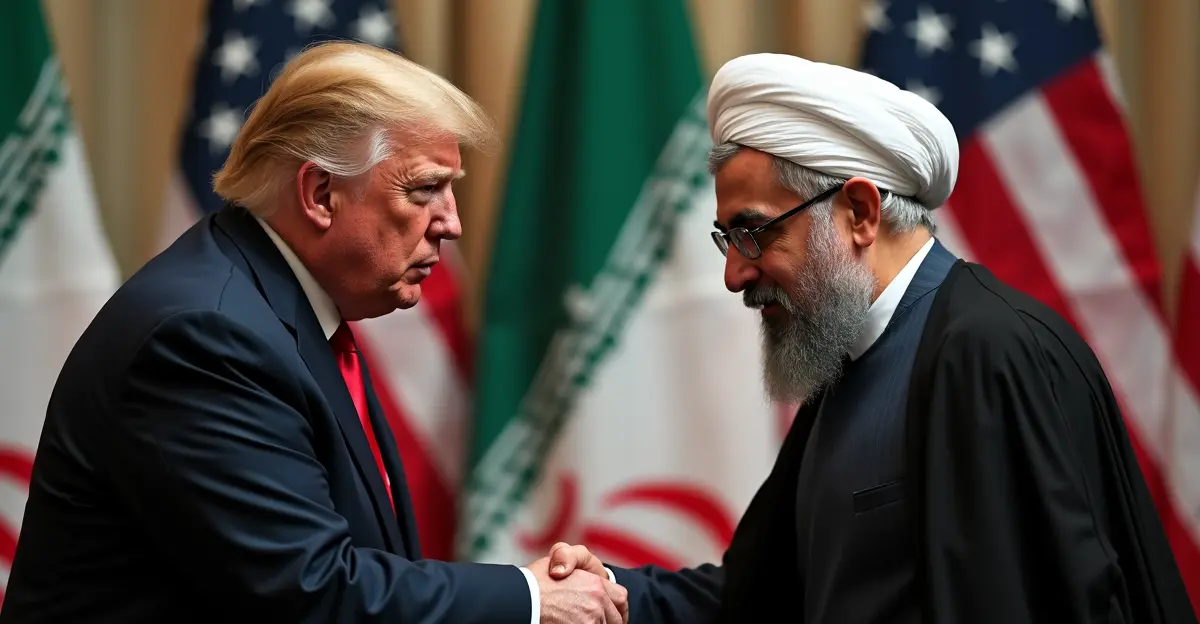
The human toll has been severe, with thousands of military and civilian casualties on both sides. The war also exacerbated humanitarian crises in Yemen, Syria, and Lebanon, where Iranian-backed groups were heavily engaged. The framework agreement represents the first serious diplomatic effort to end the conflict since the initial ceasefire was digitally signed on June 15, 2026, by Trump, Vance, and Iran's Speaker Mohammad Bagher Ghalibaf.
What This Means for Global Markets and Geopolitics
The $300 billion fund has major implications for global energy markets, international investment, and Middle East stability. Iran holds some of the world's largest oil and gas reserves, and the lifting of sanctions—combined with reconstruction investment—could rapidly increase Iranian oil exports, potentially lowering global crude prices. The reopening of the Strait of Hormuz, through which about 20% of the world's oil passes, would restore a critical energy chokepoint.
For investors, the fund represents a unique opportunity to enter one of the world's most sanctions-restricted economies. However, risks remain high, including political instability, corruption, and the possibility that the final deal collapses. The future of US foreign policy in the Middle East will be shaped by the success or failure of this framework.
Frequently Asked Questions
What is the US-Iran $300 billion fund?
The Reconstruction and Development Fund is a private investment vehicle included in the US-Iran framework agreement to finance reconstruction in Iran after the 2026 war. It consists entirely of private capital, with over $150 billion already committed by international companies.
Is the US government paying Iran $300 billion?
No. The fund is entirely private, containing no government money. President Trump has denied that the US is paying Iran, calling such claims "Fake News." The fund will be capitalized by private companies from multiple countries.
When will the fund become operational?
The fund will only become operational after a final peace agreement is signed between the US and Iran. A 60-day memorandum of understanding period will structure negotiations before a final deal is concluded.
What sectors will the fund invest in?
The fund targets investments in energy (oil, gas, and renewables), logistics, manufacturing, transport infrastructure, and rebuilding war-damaged facilities across Iran.
How does this relate to Iran sanctions?
The fund is separate from negotiations over lifting US sanctions and releasing frozen Iranian assets. However, the framework agreement reportedly includes provisions to end sanctions on Iranian oil and energy products as part of a final deal.


Follow Discussion