


 Deutsch
 English
 Español
 Français
 Nederlands
 Português


 Share
Share




The World Economic Forum's June 2026 'Deepening Divides' report confirms that geoeconomic fragmentation is now costing the global economy between $213 billion and $307 billion annually, with worst-case losses potentially reaching $6.9 trillion. This fragmentation, driven by trade barriers, investment restrictions, and the weaponization of critical supply chains, is permanently rewiring global value chains. As China tightens its grip on rare earth and critical minerals processing — triggering sixfold price spikes and slashing licensing approvals for Western firms below 25% — the US, EU, and allied economies are scrambling to build parallel supply chains through initiatives like FORGE (54 countries) and the EU Critical Raw Materials Act. This article analyzes the structural implications of this deepening divide and the strategic choices facing nations.
The Cost of Fragmentation: Beyond Rival Blocs
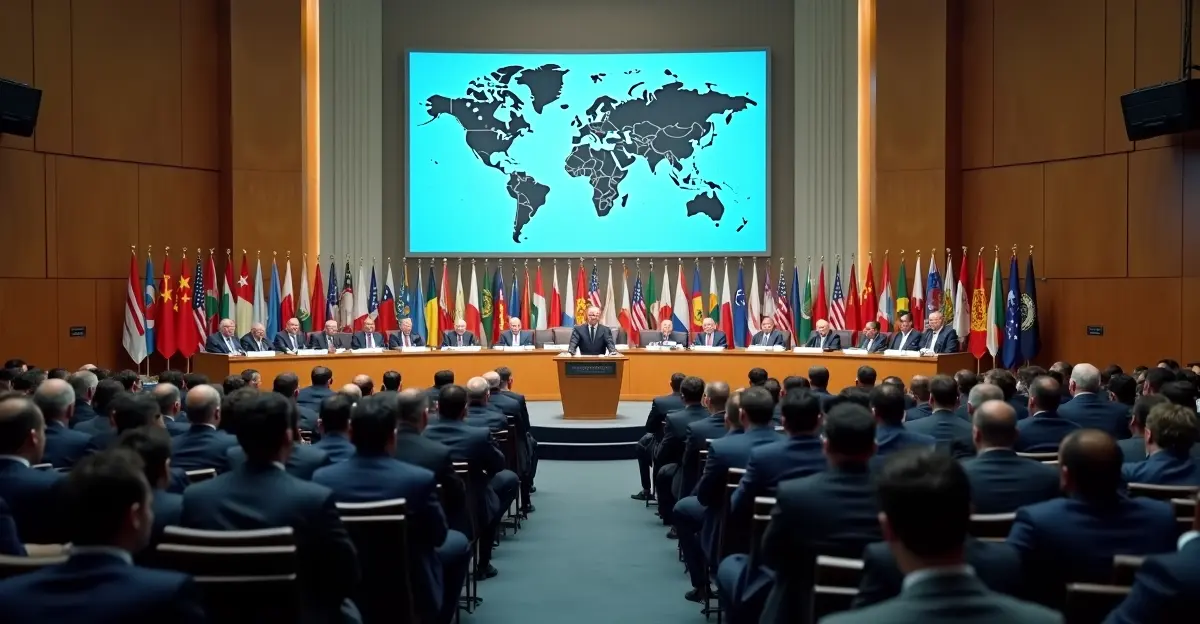
The WEF report, released on June 4, 2026, warns that fragmentation is spreading beyond geopolitical rivals to allied economies including the EU, Canada, Japan, and South Korea. The annual cost of $213–$307 billion represents 0.2–0.3 percentage points added to global inflation. In the most severe scenario — a complete decoupling of major economies — global GDP losses could hit $6.9 trillion, or 6.4% of global output. Emerging markets face the steepest losses, with potential GDP declines of up to 10.7%.
UNCTAD's January 2026 Global Trade Update corroborates these findings, noting that since 2020, about 18,000 new discriminatory trade measures have been introduced, raising compliance costs and disrupting supply chains. The report identifies ten key trends reshaping global trade, including the reconfiguration of global value chains due to geopolitical tensions, rising tariffs, and the growing role of sustainability requirements. The global trade fragmentation trends are accelerating, with services trade growing 9% in 2025 outpacing goods trade, while South-South trade surges to 57% of developing-country exports.
China's Rare Earth Weaponization
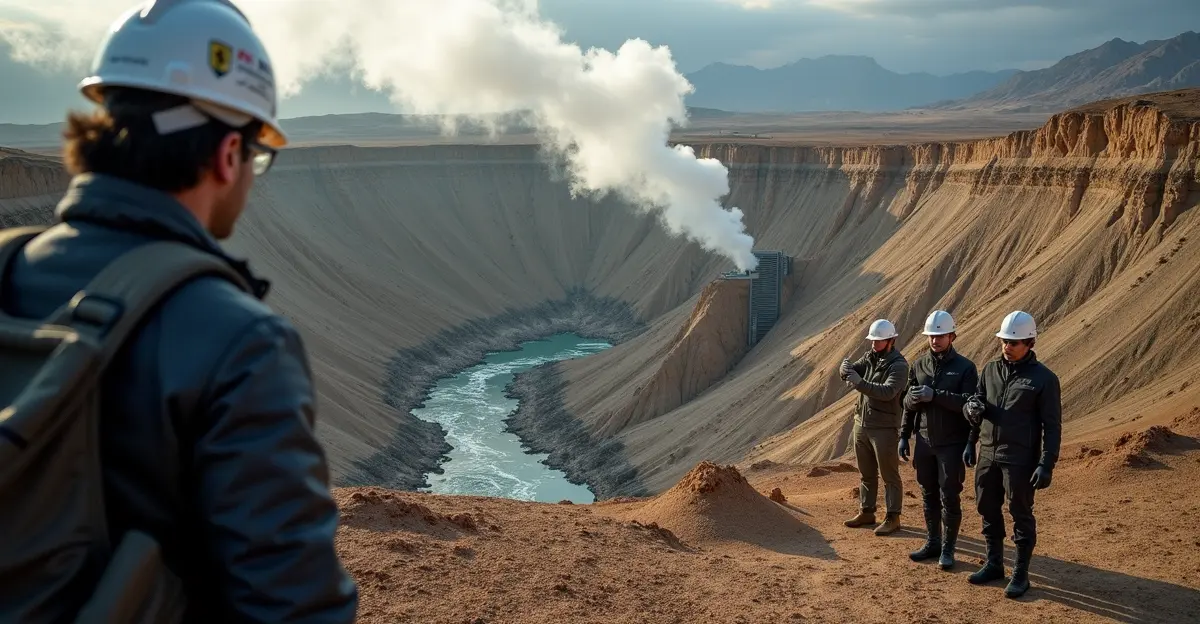
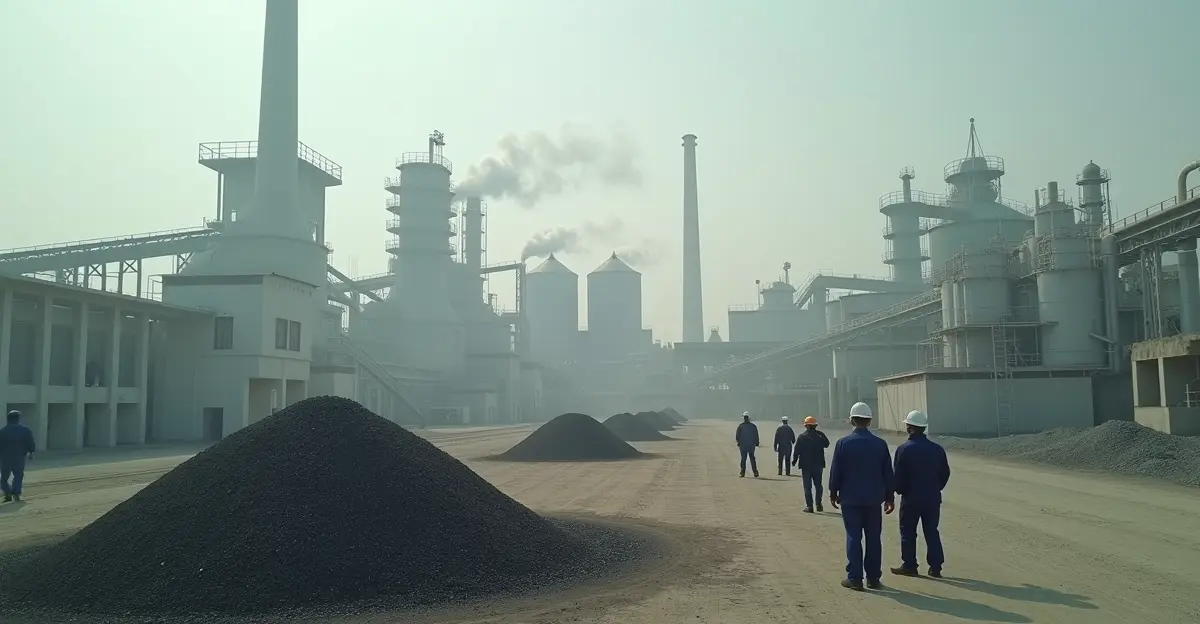
China's 2025-2026 export controls on rare earths, tungsten, antimony, and silver have created an acute supply crisis for Western defense and green tech industries. China controls 90% of rare earth processing, 80% of tungsten, and 60% of antimony. The controls triggered up to sixfold price spikes outside China, with licensing approval rates for European firms falling below 25% in some sectors. Over 80% of European companies depend on Chinese supply chains for critical minerals essential to defense, EVs, and renewable energy.
A multi-institutional analysis published in early 2026 argues that China is weaponizing control — not scarcity — by using temporary, reversible restrictions to maintain pricing power and extract strategic concessions while discouraging large-scale Western alternative investment. Rebuilding independent alternatives could take 20-30 years, while Western nations face a narrowing 12- to 18-month window to act before alternatives become infeasible. The critical minerals supply chain crisis is forcing a strategic reckoning.
Western Countermeasures: FORGE and the EU Critical Raw Materials Act
FORGE Alliance: A 54-Nation Response
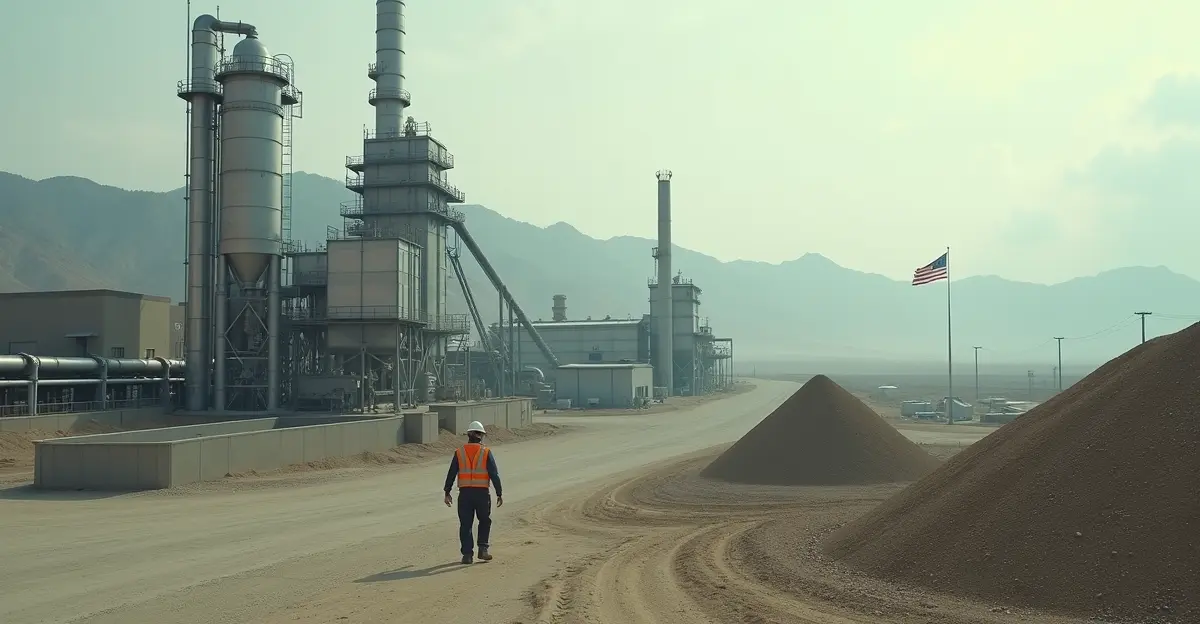
On February 4, 2026, the US launched the FORGE Alliance (Forum on Resource Geostrategic Engagement), bringing together 54 nations and the European Commission. Succeeding the Minerals Security Partnership, FORGE is backed by over $30 billion in financing. Its centerpiece is Project Vault, a $12 billion public-private partnership led by the US Export-Import Bank to establish a Strategic Critical Minerals Reserve. Eleven new bilateral framework agreements were signed with countries including Argentina, Morocco, and the Philippines. Chaired by South Korea through June 2026, FORGE aims to dismantle China's near-monopoly on processing.
EU Critical Raw Materials Act
The EU's Critical Raw Materials Act, adopted as part of the Green Deal Industrial Plan, sets ambitious 2030 benchmarks: at least 10% of EU consumption from domestic extraction, 40% from processing, 25% from recycling, and no more than 65% from any single third country. In December 2025, the EU adopted the ReSourceEU Action Plan, committing up to €3 billion ($3.5 billion) for 2026, with fast-track permitting for strategic projects. A new European Critical Raw Materials Centre, modelled on Japan's JOGMEC, will help finance projects, generate market intelligence, and jointly purchase and stockpile critical raw materials. The EU also imposed export restrictions on scrap permanent magnets and aluminium from early 2026, and will ban exports of waste lithium-ion batteries to non-OECD countries from September 2026.
The Strategic Trilemma: Dependence, Independence, or Hybrid
Analysts outline three strategic paths for Western economies. The first is managed dependence, accepting continued reliance on Chinese supply while building diplomatic safeguards and stockpiles. The second is costly independence, pursuing full domestic self-sufficiency through massive investment in mining, processing, and recycling — a path that could take 20-30 years and cost trillions. The third is a hybrid resilience model, combining strategic stockpiles, diversified sourcing from allied nations, accelerated recycling, and targeted domestic production for the most critical materials.
Companies are already adopting costly triple-redundancy supply chain strategies, increasing costs by 15-25%. The supply chain resilience strategies being deployed include near-shoring, friend-shoring, and multi-sourcing, but these come with significant cost premiums that ultimately feed into inflation.
Implications for Global Trade and Inflation
The fragmentation is permanently raising costs across the global economy. The WEF report estimates that fragmentation adds 0.2-0.3 percentage points to global inflation annually. For critical minerals specifically, price volatility has increased dramatically, with rare earth prices swinging sixfold in 2025-2026. This volatility undermines investment in green technologies and defense systems that depend on these materials.
UNCTAD warns that trade policy choices will determine whether fragmentation deepens or gives way to more resilient, inclusive growth. The economic impact of trade bloc polarization is particularly severe for developing economies, which face the highest GDP losses and limited capacity to build alternative supply chains.
Expert Perspectives
"We are witnessing a fundamental reconfiguration of global value chains," said Dr. Elena Moretti, lead author of the WEF report. "The cost of fragmentation is not just economic — it's strategic. Nations must choose between managed dependence, costly independence, or a hybrid model. The window for action is narrowing."
"China is not creating scarcity; it is weaponizing control," noted a senior analyst at the Center for Strategic and International Studies. "The 12- to 18-month window to build alternatives is real. After that, the cost of independence may become prohibitive."
FAQ
What is geoeconomic fragmentation?
Geoeconomic fragmentation refers to the breakdown of global economic integration due to geopolitical tensions, trade barriers, investment restrictions, and the weaponization of economic dependencies. It results in the formation of rival trade blocs and parallel supply chains.
How much does fragmentation cost the global economy?
The World Economic Forum estimates the annual cost at $213–$307 billion, with worst-case losses reaching $6.9 trillion (6.4% of global GDP). Emerging markets face the steepest losses at up to 10.7% of GDP.
What is the FORGE Alliance?
FORGE (Forum on Resource Geostrategic Engagement) is a US-led initiative launched in February 2026, bringing together 54 nations and the European Commission to secure critical mineral supply chains. It is backed by over $30 billion in financing and includes Project Vault, a $12 billion strategic minerals reserve.
How is China controlling rare earth supplies?
China controls 90% of global rare earth processing. Through 2025-2026 export controls, it has triggered sixfold price spikes and reduced licensing approvals for Western firms below 25%, effectively weaponizing its near-monopoly to extract strategic concessions.
What are the three strategic options for Western economies?
The three options are: (1) managed dependence — continued reliance on China with diplomatic safeguards; (2) costly independence — full domestic self-sufficiency requiring 20-30 years and trillions in investment; (3) hybrid resilience — combining stockpiles, diversified sourcing, recycling, and targeted domestic production.
Conclusion: A Narrowing Window
The evidence from the WEF, UNCTAD, and multiple analytical reports is clear: geoeconomic fragmentation is accelerating and becoming entrenched. The future of global supply chains will be defined by the strategic choices made in the next 12-18 months. Without decisive action to build alternative supply chains, Western economies face prolonged vulnerability to Chinese export controls, higher inflation, and constrained growth in critical sectors from defense to green energy. The $300 billion divorce is just the beginning — the full cost of a fragmented world order is yet to be counted.
Follow Discussion