


 Deutsch
 English
 Español
 Français
 Nederlands
 Português


 Share
Share




The Critical Minerals Security Nexus: How 2026 Supply Chain Realignments Are Reshaping Global Power Dynamics
In March 2026, global critical mineral markets are experiencing unprecedented volatility, with lithium prices reaching extreme highs of $85,000 per metric ton and nations fundamentally reassessing their mineral security strategies amid geopolitical tensions and technological demands. This seismic shift represents a fundamental reordering of global power dynamics, as nations recognize that control over critical minerals like lithium, cobalt, and nickel now determines economic competitiveness and national security in the clean energy era. The energy transition geopolitics landscape is being rewritten as supply chain vulnerabilities become strategic liabilities.
What is the Critical Minerals Security Nexus?
The critical minerals security nexus refers to the interconnected relationship between mineral supply chains, national security, economic competitiveness, and technological leadership. As defined by the European Critical Raw Materials Act, these materials are essential for green and digital transitions, with China currently controlling approximately 60% of global lithium refining capacity and dominating processing for numerous other strategic minerals. This concentration creates vulnerabilities that nations are now urgently addressing through comprehensive security frameworks.
The 2026 Supply Chain Crisis: Numbers Tell the Story
The current market disruption stems from multiple converging factors. Lithium carbonate prices reached 95,200 yuan per metric ton in March 2026, the highest level since June 2024, while spot prices for battery-grade lithium hit $85,000 per metric ton. This volatility reflects structural vulnerabilities in supply chains where a few countries control critical processing stages. According to U.S. State Department data, China processes 60% of global lithium, 80% of rare earth elements, and dominates cobalt refining through partnerships with the Democratic Republic of Congo.
Geopolitical Responses: The 2026 Critical Minerals Ministerial
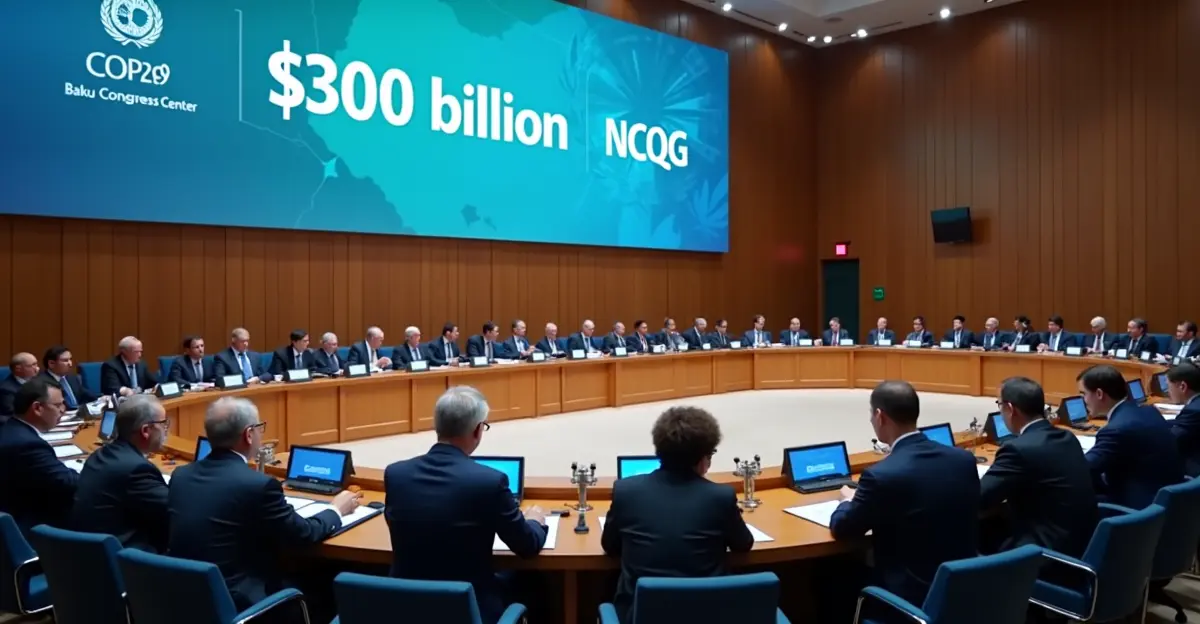
In February 2026, the United States hosted the Critical Minerals Ministerial, bringing together representatives from 54 countries and the European Commission to reshape global markets. The summit resulted in 11 new bilateral critical minerals frameworks signed with countries including Argentina, the Cook Islands, and the United Kingdom. Secretary of State Marco Rubio announced the launch of the Forum on Resource Geostrategic Engagement (FORGE) as the successor to the Minerals Security Partnership, with the U.S. government mobilizing over $30 billion in financing support for critical minerals projects over the past six months.
EU's Strategic Framework: The Critical Raw Materials Act
The European Union has implemented its Critical Raw Materials Act, establishing ambitious benchmarks: 10% of strategic raw materials from domestic extraction, 40% from EU processing, and 25% from recycling by 2030. The Act addresses Europe's heavy import dependency, where 97% of magnesium comes from China and 63% of cobalt from DRC. The EU is pursuing international partnerships through a Critical Raw Materials Club and Global Gateway strategy to diversify supply chains while promoting sustainability principles.
Industry Transformation: Technological and Strategic Shifts
Automotive Sector's Pivot to LFP Batteries
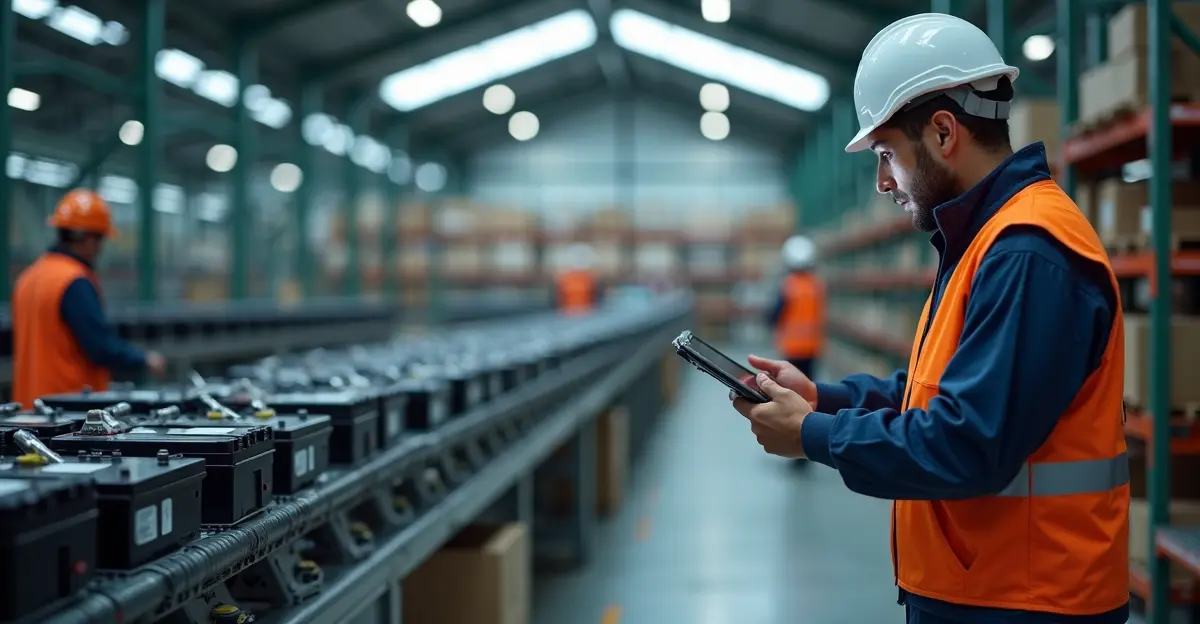
Major automotive manufacturers are accelerating adoption of lithium iron phosphate (LFP) batteries to reduce cobalt and nickel dependence. General Motors plans LFP production at its Tennessee plant in late 2027, while Ford is building a $3 billion LFP battery park in Michigan with 20 GWh annual capacity starting in 2026. Tesla is preparing its first North American LFP facility in Nevada, initially targeting 10 GWh capacity. This strategic shift addresses cost-effectiveness, supply chain diversification, and reduces reliance on materials concentrated in geopolitically sensitive regions.
Mining Companies Pursue Vertical Integration
Mining companies are increasingly pursuing vertical integration strategies to secure supply chains. Battery manufacturers are investing directly in mining operations to ensure material access, control costs, and reduce dependency on volatile commodity markets. This trend represents a fundamental shift from traditional commodity trading relationships to integrated ownership models that provide greater supply chain security and quality control.
Advanced Recycling Technologies Emerge
Advanced recycling technologies are achieving breakthrough recovery rates, with companies like Redwood Materials and Li-Cycle recovering up to 95% of critical materials from end-of-life batteries. Redwood Materials processes over 20 GWh of lithium-ion batteries annually, producing more than 60,000 tons of critical materials each year. This circular economy approach creates domestic supply chains while reducing environmental impact and dependence on primary mining.
Strategic Implications: A New Paradigm for Resource Security
The current realignment represents more than market adjustment—it signifies a fundamental shift in how nations approach resource security. The traditional economic calculus of cost minimization is being replaced by a security-first framework that prioritizes supply chain resilience and diversification. Nations are recognizing that mineral security is essential for clean energy leadership, economic stability, and technological sovereignty in the 21st century.
This new paradigm has profound implications for international relations, trade policies, and industrial strategies. The battery metals geopolitics landscape is becoming increasingly complex as nations compete for access to critical resources while simultaneously developing domestic capabilities and international partnerships. The U.S. EXIM Bank's $10 billion Project Vault initiative to establish a domestic strategic reserve exemplifies this strategic shift toward stockpiling and securing critical materials.
Expert Perspectives on the Security Nexus
Industry analysts emphasize the transformative nature of current developments. "We're witnessing the birth of a new security paradigm where minerals are treated with the same strategic importance as energy or military assets," notes Dr. Elena Rodriguez, senior fellow at the Center for Strategic Mineral Studies. "The 2026 price volatility isn't just a market correction—it's a wake-up call about systemic vulnerabilities in our clean energy transition."
Government officials echo this sentiment. "Our approach to critical minerals must balance economic efficiency with strategic resilience," stated EU Commissioner for Internal Market Thierry Breton during the recent Brussels summit. "The Critical Raw Materials Act establishes Europe's framework for securing our industrial future while maintaining our climate ambitions."
FAQ: Critical Minerals Security in 2026
What are critical minerals and why are they important?
Critical minerals are raw materials designated by governments as essential for their economies and national security, particularly for green and digital transitions. They include lithium, cobalt, nickel, rare earth elements, and other materials vital for batteries, renewable energy technologies, and advanced electronics.
Why did lithium prices reach $85,000 per metric ton in March 2026?
Lithium prices reached extreme highs due to supply chain disruptions, geopolitical tensions, and surging demand from electric vehicles and energy storage systems. Market concentration in processing and refining created vulnerabilities that were exposed by trade restrictions and logistical challenges.
How is the automotive industry responding to mineral security concerns?
Automakers are shifting to lithium iron phosphate (LFP) batteries that use more abundant materials like iron and phosphate instead of cobalt and nickel. Major manufacturers including GM, Ford, and Tesla are establishing domestic LFP production facilities to reduce dependence on concentrated supply chains.
What is the EU Critical Raw Materials Act?
The European Critical Raw Materials Act establishes benchmarks for domestic extraction (10%), EU processing (40%), and recycling (25%) of strategic raw materials by 2030. It aims to reduce import dependency and build resilient supply chains through international partnerships and domestic capacity building.
How effective are advanced battery recycling technologies?
Advanced recycling technologies from companies like Redwood Materials and Li-Cycle achieve recovery rates up to 95% for critical materials from end-of-life batteries. These technologies create circular supply chains that reduce environmental impact and decrease dependence on primary mining.
Future Outlook: Building Resilient Supply Chains
The critical minerals security nexus will continue evolving as nations implement their strategic frameworks and industries adapt to new realities. Key trends to watch include increased investment in domestic extraction and processing, expansion of recycling infrastructure, development of alternative battery chemistries, and deepening of international partnerships through mechanisms like the minerals security partnership frameworks. The transition from vulnerable linear supply chains to resilient circular systems represents both a challenge and opportunity for nations seeking to secure their clean energy futures.


Follow Discussion