


 Deutsch
 English
 Español
 Français
 Nederlands
 Português


 Share
Share




What is COP31's Dual Presidency Model?
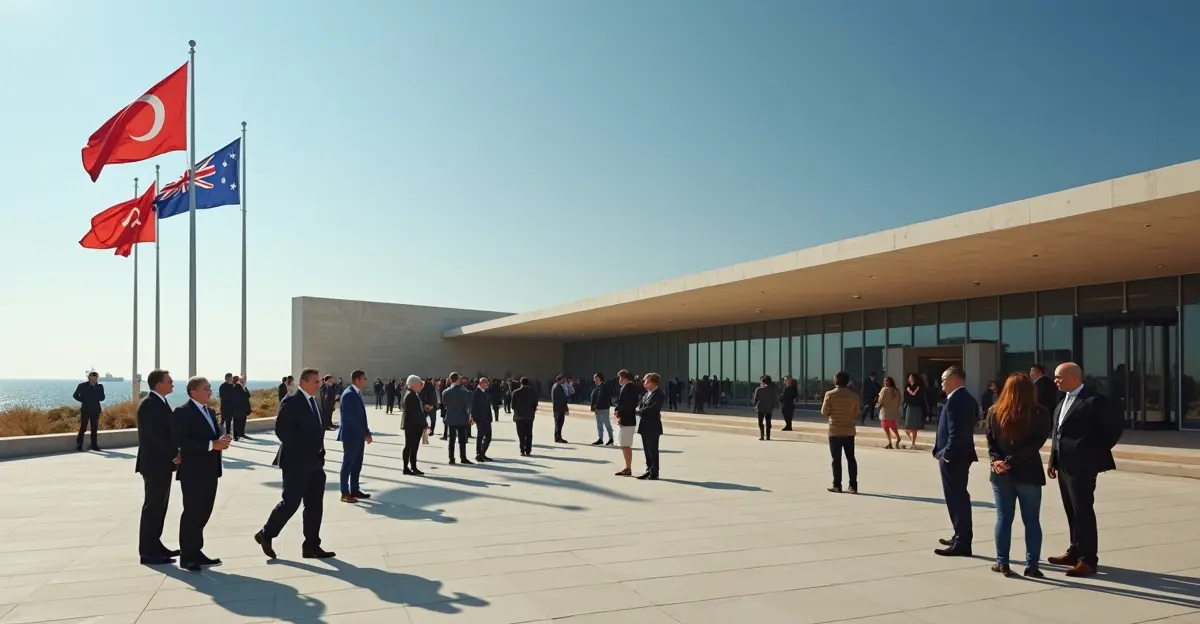
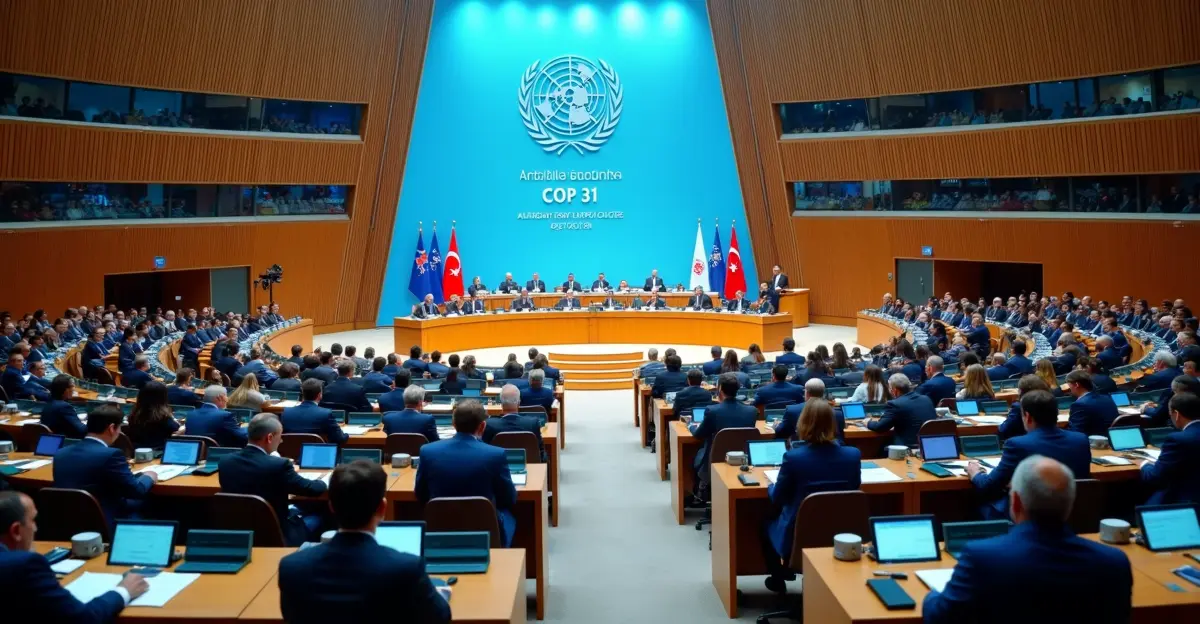
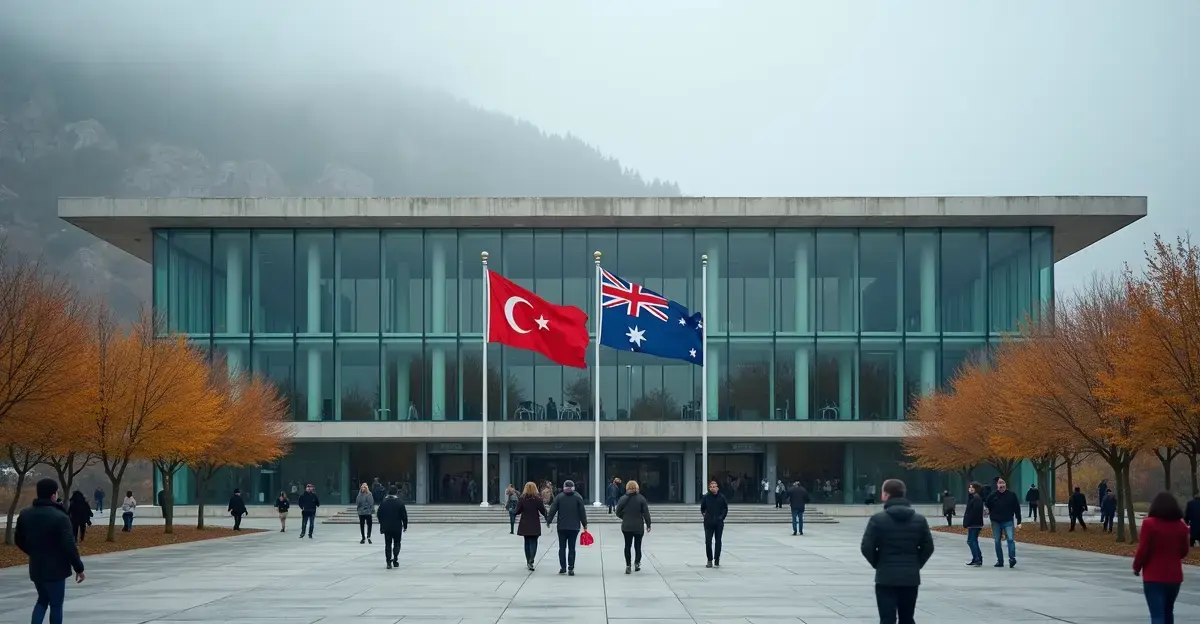
The 31st United Nations Climate Change Conference (COP31), scheduled for November 9-20, 2026 in Antalya, Türkiye, introduces an unprecedented governance innovation: a dual-presidency model where Türkiye serves as host and formal COP President while Australia assumes exclusive authority as President of Negotiations. This structural breakthrough, finalized at COP30 in 2025, represents the first formal division of UNFCCC responsibilities between two nations and arrives at a critical juncture in global climate diplomacy. The arrangement emerges as the international community grapples with the United States' withdrawal from both the Paris Agreement and UNFCCC in early 2026, creating a significant power vacuum in global climate leadership that this innovative model seeks to address.
Breaking the Deadlock: How the Dual Presidency Emerged
The Türkiye-Australia partnership emerged from a year-long stalemate over COP31 hosting rights, with competing bids from both nations threatening to derail climate progress. According to official UNFCCC documents, the compromise announced at COP30 establishes clear division of responsibilities: Türkiye will physically host the conference in Antalya and handle ceremonial presidency duties, while Australia's Climate Minister Chris Bowen will hold exclusive authority over all negotiations, draft text preparation, and issuance of the summit's cover decision. This arrangement gives Australia and the Pacific region unprecedented influence in global climate talks from the conclusion of COP30 through COP31's completion. The deal also includes a special pre-COP meeting in the Pacific to highlight climate impacts firsthand, ensuring vulnerable nations' concerns remain central to the agenda.
Strategic Balance Between Developed and Developing Worlds
The dual-presidency model strategically bridges the traditional divide between developed and developing country interests. Türkiye, positioned as a bridge between Europe and Asia, represents emerging economies and developing nation perspectives, while Australia brings developed country expertise and Pacific regional leadership. This balance is particularly crucial as the world transitions from climate planning to implementation following the first Global Stocktake. The arrangement ensures that both climate finance demands from developing nations and emission reduction commitments from developed economies receive equal attention in negotiations. As noted in analysis from climate governance experts, this model could set important precedents for future climate diplomacy as geopolitical tensions increasingly complicate multilateral cooperation.
Navigating the US Climate Withdrawal Power Vacuum
The dual-presidency model arrives precisely when global climate governance faces its most significant challenge in decades: the United States' withdrawal from both the Paris Agreement and UNFCCC in January 2026. This decision, following an executive order signed in January 2025, creates a leadership void that threatens to undermine over a decade of climate progress. Amnesty International's Programme Director for Climate, Marta Schaaf, warned this sets a dangerous precedent that could instigate a "race to the bottom" in global climate cooperation. The Türkiye-Australia partnership directly addresses this power vacuum by creating a more distributed, resilient governance structure less vulnerable to individual nation withdrawals. The model demonstrates that control over negotiation agendas is now as crucial as hosting rights in maintaining climate momentum.
Implementation Phase Challenges and Climate Finance
COP31 represents a critical shift from climate negotiation to implementation, with the dual-presidency model specifically designed to manage this transition. A central focus will be operationalizing the $1.3 trillion annual climate finance target established at COP30, requiring a seven-fold funding increase with $300 billion annually flowing from developed to developing countries by 2035. The climate finance mechanisms will test the dual-presidency's effectiveness in balancing competing interests. Australia's negotiation leadership ensures Pacific Island states' climate justice concerns remain prioritized, while Türkiye's hosting role provides diplomatic visibility for emerging economy perspectives. This division of labor allows specialized attention to both financial mechanisms and implementation frameworks simultaneously.
Geopolitical Implications and Future Climate Governance
The dual-presidency model unfolds amid intensifying geopolitical competition where climate finance mechanisms are becoming tools of strategic influence. The arrangement positions Türkiye as a diplomatic bridge between Eastern and Western blocs while elevating Australia's role as a Pacific climate leader. This innovative structure could reshape how future COPs are organized, particularly as traditional power dynamics shift. The model's success or failure will influence whether similar arrangements emerge for COP32 and beyond, potentially creating more resilient governance structures for the international climate regime. As climate negotiations become increasingly entangled with broader geopolitical tensions, distributed leadership models like the Türkiye-Australia partnership may offer pathways to maintain multilateral cooperation.
Expert Perspectives on the Governance Innovation
Climate governance analysts note that the dual-presidency represents a pragmatic response to contemporary diplomatic challenges. "This isn't just about splitting responsibilities—it's about creating a more resilient governance structure that can withstand geopolitical shocks," explains Dr. Elena Rodriguez, a climate diplomacy researcher at the Global Governance Institute. "By distributing leadership between a developed nation with Pacific responsibilities and an emerging economy with bridging capabilities, the UNFCCC is adapting to new realities where traditional power centers are no longer reliable." Australian Prime Minister Anthony Albanese emphasized that the arrangement demonstrates restored climate leadership and strengthens ties with Pacific nations while elevating their concerns globally.
Frequently Asked Questions About COP31's Dual Presidency
What is the COP31 dual-presidency model?
The COP31 dual-presidency is an unprecedented governance arrangement where Türkiye hosts the conference in Antalya as formal COP President while Australia holds exclusive authority as President of Negotiations, managing all talks and draft texts.
Why was this model created for COP31?
The model emerged from a year-long stalemate over hosting rights and addresses the power vacuum created by the US withdrawal from international climate frameworks, while balancing developed and developing country interests.
How does this affect climate negotiations?
Australia gains unprecedented influence over negotiation agendas from COP30's conclusion through COP31, ensuring Pacific climate priorities remain central while Türkiye provides diplomatic bridging between geopolitical blocs.
What are the main challenges for this model?
Key challenges include coordinating between two presidencies, operationalizing the $1.3 trillion climate finance target, and managing the transition from planning to implementation amid heightened geopolitical tensions.
Could this become a permanent governance structure?
While unprecedented, the model's success at COP31 could influence future climate conferences, particularly as traditional power dynamics shift and multilateral cooperation faces increasing challenges.
Conclusion: A New Era in Climate Diplomacy
The COP31 dual-presidency model represents a significant innovation in global climate governance, arriving at precisely the moment when traditional structures face unprecedented challenges. By distributing leadership between Türkiye and Australia, the arrangement creates a more resilient framework capable of navigating the US withdrawal power vacuum while balancing developed and developing country interests. As the world transitions from climate planning to implementation, this model will be tested on its ability to deliver concrete results, particularly in climate finance and emission reduction commitments. The November 2026 summit in Antalya will determine whether distributed leadership models can effectively manage the complex geopolitical landscape of 21st-century climate diplomacy, potentially setting precedents for how international cooperation adapts to an era of shifting power dynamics and heightened tensions.
Sources
UNFCCC COP31 Presidency Modalities Agreement (2025), Australian Government Media Release on COP31 Arrangements, COP31 Climate Finance Analysis, Amnesty International US Withdrawal Statement (2026), UN Climate Change Conference Historical Context.



Follow Discussion