


 Deutsch
 English
 Español
 Français
 Nederlands
 Português


 Share
Share




COP31 2026: The Implementation Summit Where Climate Diplomacy Meets Geopolitical Realities
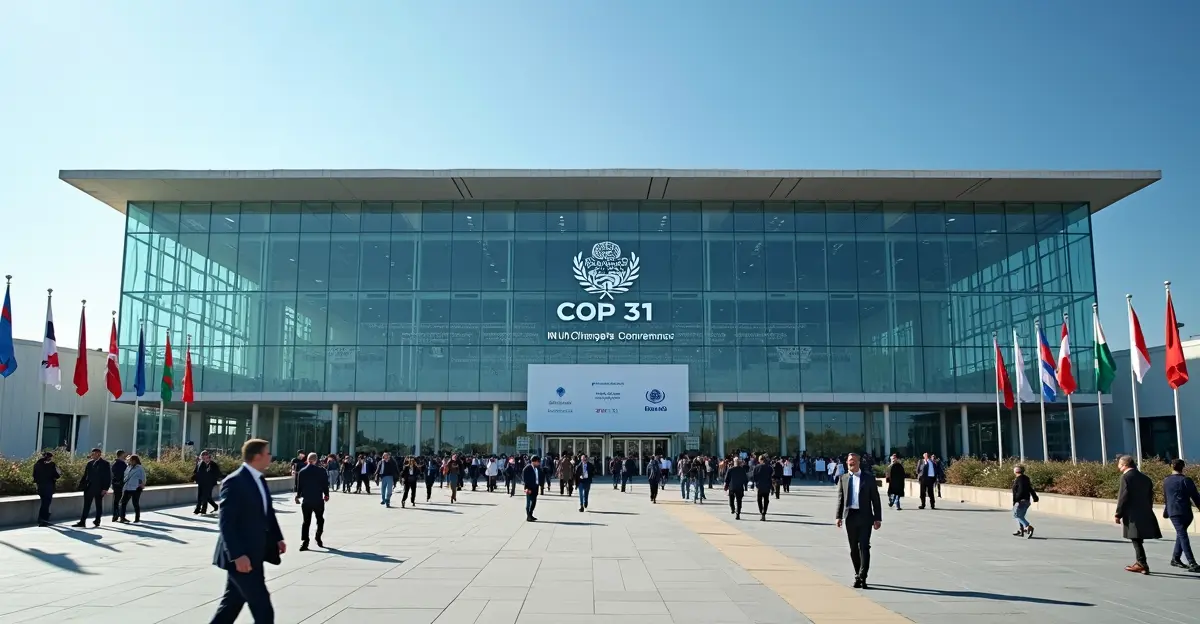
The 31st United Nations Climate Change Conference (COP31), scheduled for November 9-20, 2026 in Antalya, Turkey, represents a critical inflection point in global climate policy as the world shifts from negotiation to implementation amid escalating geopolitical tensions. This landmark summit, featuring an unprecedented dual leadership model with Turkey as host and Australia leading negotiations, will test whether international climate diplomacy can deliver concrete results in a fragmented world order. With the first Global Stocktake assessment completed and the New Collective Quantified Goal on climate finance established at COP30, COP31's central mandate is to operationalize commitments and turn Paris Agreement pledges into measurable actions.
Unprecedented Dual Leadership Model
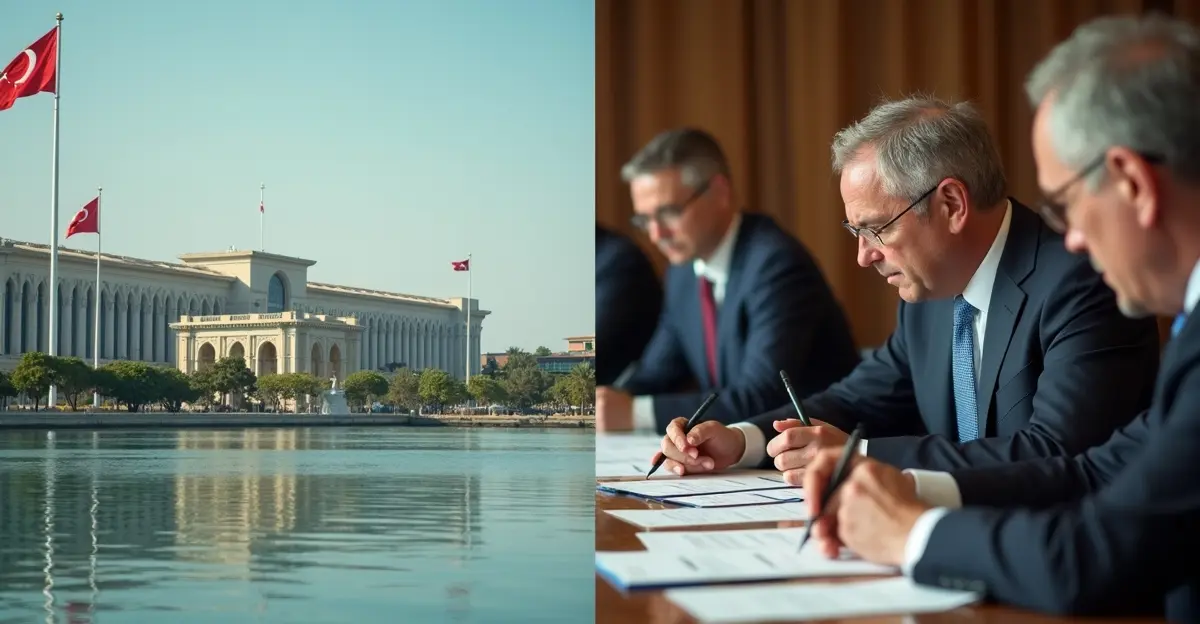
The COP31 partnership between Turkey and Australia represents a groundbreaking departure from traditional climate diplomacy structures. Under this unique arrangement, Turkey will serve as physical host at the Antalya Expo Center while Australian Climate Minister Chris Bowen assumes the role of President of Negotiations, giving Australia exclusive authority over negotiations from the end of COP30 until COP31 concludes. This dual leadership reflects new power dynamics in climate diplomacy, with Turkey leveraging its strategic position bridging Europe and Asia, and Australia representing Pacific Island nations facing existential climate threats. The partnership was negotiated during COP30 in November 2025 after both countries refused to withdraw their hosting bids, resulting in this innovative compromise that could reshape future UN climate conference structures.
From Negotiation to Implementation: The Core Challenge
NDCs 3.0: Turning Pledges into Action
COP31's primary focus will be scrutinizing the new round of Nationally Determined Contributions (NDCs 3.0) that countries must submit by February 2025. These updated climate plans represent the third generation of commitments under the Paris Agreement and will be the first to incorporate lessons from the Global Stocktake. The challenge at COP31 will be ensuring these NDCs translate into concrete implementation pathways, with particular attention to alignment with the 1.5°C warming limit. According to climate scientists, current NDCs would only limit warming to 2.5-2.9°C above pre-industrial levels, far exceeding the Paris Agreement targets.
Climate Finance: The $1.3 Trillion Question
The operationalization of climate finance represents COP31's most significant implementation challenge. Following the landmark agreement at COP29 to triple climate finance to developing countries, COP31 must establish mechanisms to deliver the New Collective Quantified Goal (NCQG) of $300 billion annually from developed nations by 2035, as part of a broader $1.3 trillion annual target. The "Baku to Belém Roadmap to 1.3T" will guide these efforts, but critical questions remain about grant versus loan allocations, subgoals for mitigation versus adaptation, and minimum support targets for vulnerable nations. As UNCTAD estimates actual needs closer to $900 billion from 2025, reaching $1.46 trillion by 2030, COP31 faces immense pressure to bridge this climate finance gap.
Geopolitical Realities and Energy Security
COP31 convenes against a backdrop of deepening geopolitical fragmentation that threatens to undermine climate cooperation. The Middle East conflict, particularly disruptions affecting the Strait of Hormuz which carries 20-25% of global seaborne oil trade, has created what the International Energy Agency calls the "greatest global energy security threat in history." This has led to oil prices surging above $100 per barrel and prompted the largest-ever coordinated release of 400 million barrels from emergency reserves. The weaponization of energy transit routes is creating immediate global effects, with disruptions in one region rapidly reverberating worldwide.
The transatlantic divide on energy policy further complicates climate diplomacy. While US officials emphasize energy as economic strength and geopolitical leverage, focusing on oil/gas production and nuclear power, European leaders prioritize strategic autonomy through nuclear expansion and homegrown renewables. This fundamental difference in approach creates challenges for coordinated climate action at COP31, particularly regarding fossil fuel phase-out timelines and transition financing.
Pacific Island Nations: The Moral Imperative
A critical component of COP31's dual leadership model is the elevated role of Pacific Island nations, who will host a special pre-COP meeting in 2026. These nations face existential threats from sea-level rise and extreme weather events, making their participation not just symbolic but essential for climate justice. Australia's leadership in negotiations provides a platform for amplifying Pacific voices, though questions remain about whether this representation will translate into meaningful outcomes for vulnerable nations. The conference will maintain special focus on Small Island Developing States' vulnerability through a dedicated high-level session, addressing both adaptation financing and loss and damage mechanisms established in previous COPs.
Expert Perspectives on COP31's Prospects
Climate diplomacy experts express cautious optimism about COP31's unique structure but acknowledge significant implementation challenges. "The dual leadership model represents innovative thinking in multilateral climate governance," notes Dr. Sarah Kapnick, Chief Scientist at NOAA. "However, the real test will be whether this structure can deliver concrete implementation mechanisms amid growing geopolitical tensions and energy security concerns." The World Economic Forum's analysis suggests that energy has re-emerged as a central component of national security and global power dynamics, creating competing priorities that could undermine climate ambitions.
Implementation Roadmap and Key Milestones
Leading up to COP31, several critical milestones will shape the conference's outcomes:
- February 2025: Deadline for countries to submit NDCs 3.0, providing the baseline for COP31 negotiations
- 2025-2026: Operationalization of the "Baku to Belém Roadmap" for climate finance delivery
- Mid-2026: Pacific Island pre-COP meeting to set priorities for vulnerable nations
- November 2026: COP31 convenes with focus on implementation mechanisms and accountability frameworks
FAQ: Understanding COP31's Significance
What makes COP31 different from previous climate conferences?
COP31 represents a fundamental shift from negotiation to implementation, focusing on operationalizing climate finance, implementing NDCs 3.0, and establishing accountability mechanisms rather than setting new targets.
How does the dual leadership model work?
Turkey serves as physical host while Australia's Climate Minister Chris Bowen leads negotiations, giving Australia exclusive authority over the negotiation process from COP30's conclusion through COP31.
What are the main implementation challenges at COP31?
Key challenges include delivering the $1.3 trillion annual climate finance target, ensuring NDCs 3.0 align with 1.5°C limits, balancing climate ambitions with energy security concerns, and addressing geopolitical fragmentation.
Why are Pacific Island nations particularly important at COP31?
Pacific nations face existential climate threats and will host a pre-COP meeting, with Australia's negotiation leadership providing a platform to amplify their voices in climate justice discussions.
How will geopolitical tensions affect COP31 outcomes?
Energy security concerns, transatlantic policy divides, and regional conflicts create competing priorities that could undermine climate cooperation and implementation efforts.
Conclusion: A Pivotal Moment for Climate Action
COP31 in Antalya represents more than just another climate conference—it's a critical test of whether international climate diplomacy can transition from making promises to delivering results. The unprecedented dual leadership model, combined with mounting implementation pressures and deepening geopolitical divisions, creates both opportunities and challenges. As nations prepare their NDCs 3.0 and work toward the $1.3 trillion climate finance target, COP31 will reveal whether the international community can overcome fragmentation to achieve meaningful climate progress. The summit's success or failure will have profound implications for the Paris Agreement's viability and the world's ability to limit warming to 1.5°C.



Follow Discussion