


 Deutsch
 English
 Español
 Français
 Nederlands
 Português


 Share
Share




COP31 2026: The Implementation Summit Where Climate Promises Face Reality
The 31st United Nations Climate Change Conference (COP31), scheduled for November 9-20, 2026 in Antalya, Turkey, represents a critical turning point in global climate policy as the world shifts from negotiation to implementation. This summit will test whether nations can translate ambitious climate rhetoric into measurable action, particularly for vulnerable Small Island Developing States facing existential threats from climate change. With the Paris Agreement 2015 targets rapidly approaching, COP31 must bridge the growing gap between climate commitments and concrete implementation.
What is COP31 and Why Does It Matter?
COP31 is the 31st session of the United Nations Climate Change Conference, bringing together world leaders, climate experts, and civil society representatives to address the global climate crisis. Unlike previous conferences focused on establishing frameworks and targets, COP31 marks the beginning of the "implementation era" where nations must deliver on their climate promises. The conference follows the first Global Stocktake assessment and the establishment of the New Collective Quantified Goal on climate finance at COP30, making it a pivotal moment for operationalizing climate action.
The Unprecedented Dual Leadership Model
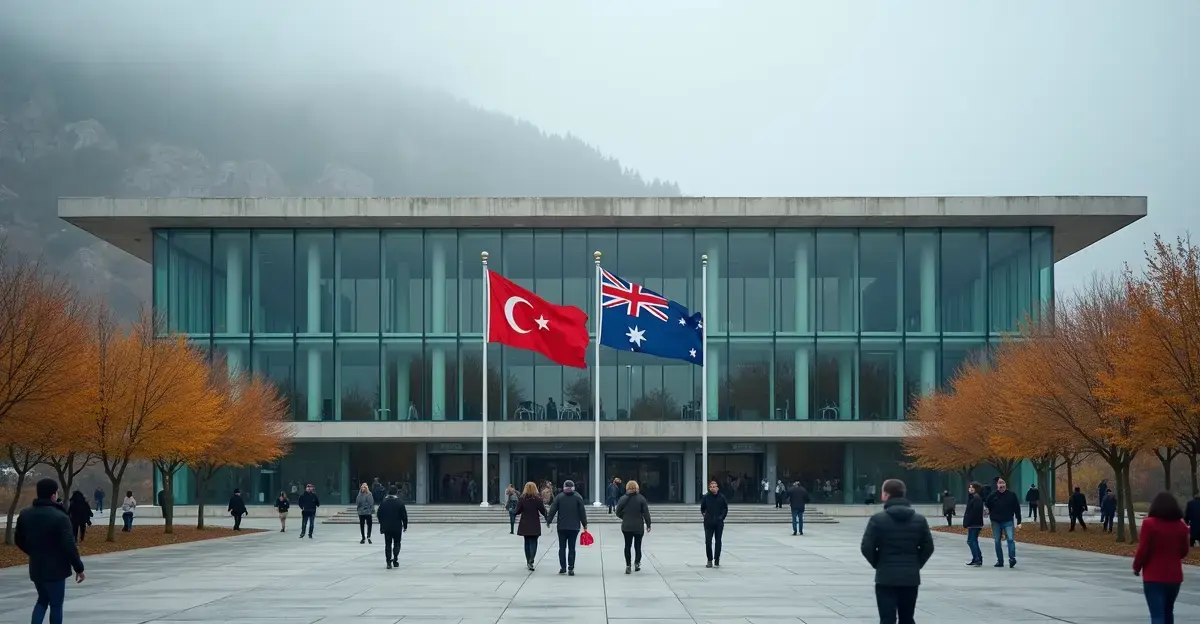
COP31 features an innovative dual leadership structure never before seen in UN climate conferences. Turkey serves as the physical host and operational president through Minister of Environment, Urbanization and Climate Change Murat Kurum, while Australia's Climate Change Minister Chris Bowen leads negotiations as President of Negotiations. This arrangement aims to bridge the divide between developed and developing nations, with Turkey bringing credibility with the Global South and Australia representing developed economies.
"This dual-presidency model represents a transition to an 'implementation era' in climate action and could establish important precedents for future UN climate conferences," according to climate governance experts. The structure separates negotiation leadership from hosting responsibilities, allowing each country to focus on their comparative advantages while addressing coordination challenges between the two presidencies.
NDCs 3.0: The Last Chance for 1.5°C Pathways
The third generation of Nationally Determined Contributions (NDCs 3.0) represents humanity's last chance to avoid overshooting the 1.5°C climate target. Current NDCs put the world on track for 2.6-2.8°C warming, while current policies lead to 3.1°C. To keep 1.5°C possible, new NDCs must cut greenhouse gas emissions by 42% by 2030 and 57% by 2035.
Key Requirements for NDCs 3.0
- Alignment with 1.5°C pathways requiring 43% reduction in global greenhouse gas emissions by 2030 compared to 2019 levels
- Comprehensive transition from fossil fuels to clean energy (solar and wind can deliver 27% of needed reductions)
- Implementation of nature-based solutions (19% potential reduction)
- Methane reduction strategies and efficiency measures
- G20 leadership (responsible for 77% of emissions)
Operationalizing the $1.3 Trillion Climate Finance Goal
COP31 faces the critical task of operationalizing the $1.3 trillion annual climate finance target established at COP30, requiring a seven-fold increase from current funding levels. The New Collective Quantified Goal (NCQG) sets two targets: $300 billion annually from developed countries to developing nations by 2035, and a broader goal of $1.3 trillion in total international climate finance.
Current climate finance stands at $116 billion (2022 data), with key sources including public multilateral finance ($51 billion), multilateral development banks (MDBs), and private finance mobilization. MDBs have committed to providing $120 billion by 2030 and leveraging $65 billion in private finance. Achieving the full $1.3 trillion will require significantly more private investment alongside continued growth in public funding sources.
Small Island Developing States: The Frontlines of Climate Change
Small Island Developing States (SIDS), home to 65 million people across 39 island states and 18 overseas territories, face disproportionate threats from climate change despite contributing minimally to global emissions. These nations share common challenges including remoteness, small populations, dependence on ocean resources, and high debt burdens.
From 1970-2020, SIDS lost US$153 billion to weather extremes, with mortality rates more than double the global average and average annual GDP losses of 2.1% due to disasters compared to 0.3% elsewhere. Pacific Island nations will play a crucial role in COP31, hosting a pre-COP meeting to amplify climate justice concerns for vulnerable nations facing existential threats from sea-level rise.
Implementation Challenges and Geopolitical Context
COP31 faces significant challenges including geopolitical fragmentation, energy security concerns due to Middle East conflicts affecting global oil trade, and transatlantic policy divides on energy strategy. The conference must address the significant emissions gap, as current pledges project warming of 2.8°C rather than the required 1.5°C limit.
Climate experts express cautious optimism about the innovative leadership structure but acknowledge implementation challenges in delivering concrete results amid competing global priorities. The EU Green Deal and other regional initiatives provide important frameworks, but global coordination remains essential for effective climate action.
Expert Perspectives on COP31's Potential
UN Climate Change Executive Secretary Simon Stiell emphasized at a February 2026 preparatory conference that "climate action can deliver stability in an unstable world and called for a new era of international climate cooperation focused on implementation." The conference highlighted the need for accelerated action, finance, and partnerships to implement Paris Agreement commitments.
The dual-presidency approach is based on principles of 'Dialogue, not a single voice; Consensus, not division; Action, not stagnation.' This framework aims to overcome the 2025 economic crisis impacts on climate funding and maintain momentum toward climate goals.
FAQ: COP31 2026 Explained
When and where is COP31 taking place?
COP31 will be held from November 9-20, 2026 at the Antalya Expo Center in Antalya, Turkey.
What is the dual leadership model for COP31?
Turkey serves as physical host with Minister Murat Kurum as operational president, while Australia's Climate Minister Chris Bowen leads negotiations as President of Negotiations.
What are NDCs 3.0 and why are they important?
NDCs 3.0 are the third generation of Nationally Determined Contributions - climate action plans that represent humanity's last chance to avoid overshooting the 1.5°C target, requiring 42% emissions cuts by 2030.
What is the $1.3 trillion climate finance goal?
Established at COP30, this New Collective Quantified Goal requires $1.3 trillion annually for climate action by 2035, with $300 billion specifically from developed to developing nations.
Why are Small Island Developing States crucial to COP31?
SIDS face existential threats from climate change despite minimal emissions contributions, making their survival dependent on ambitious implementation of climate commitments.
Conclusion: A Pivotal Moment for Climate Action
COP31 represents a critical test of global climate governance as the world transitions from setting targets to implementing solutions. With strategic planning intensifying globally in preparation for the November 2026 summit, this conference will determine whether climate commitments translate into concrete action over the next two years. The success of COP31 will be measured not by new promises made, but by the implementation of existing commitments that can keep the 1.5°C target within reach and protect vulnerable nations from climate catastrophe.




Follow Discussion