


 Deutsch
 English
 Español
 Français
 Nederlands
 Português


 Share
Share




What is COP31 2026?
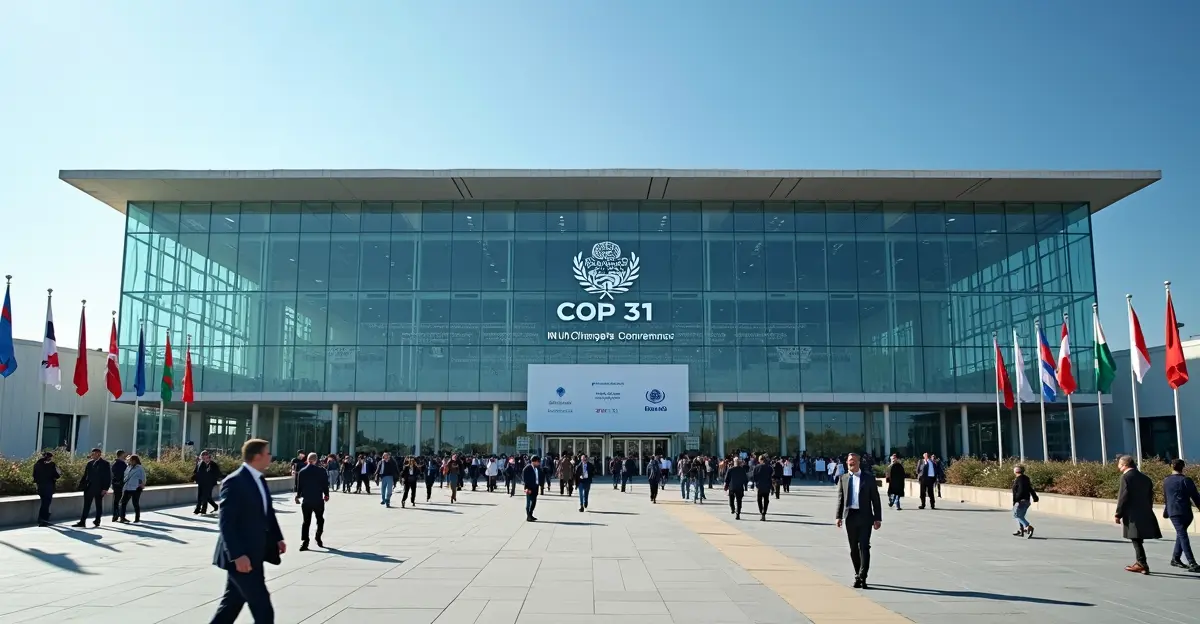
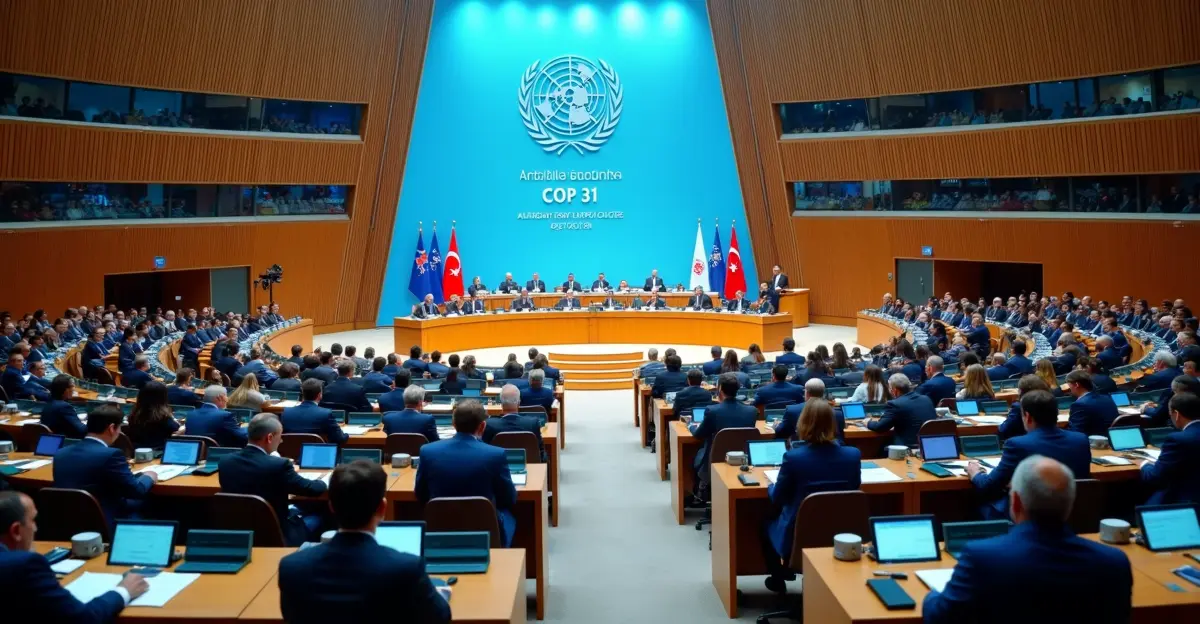
The 31st United Nations Climate Change Conference (COP31), scheduled for November 9-20, 2026 in Antalya, Türkiye, represents a critical inflection point in global climate governance. This summit marks the first major climate gathering following the establishment of the New Collective Quantified Goal (NCQG) on climate finance at COP30, shifting the global climate agenda from negotiation to implementation amid intensifying geopolitical competition. With an unprecedented Türkiye-Australia dual presidency model and a $1.3 trillion annual climate finance target, COP31 will reshape global capital flows and development patterns while exposing fault lines between developed and developing nations.
The Dual Presidency Model: Bridging Global Divides
COP31 features an unprecedented governance structure with Türkiye serving as physical host and Australia's Climate Minister Chris Bowen leading formal negotiations. This innovative dual-presidency model aims to bridge the divide between developed and developing nations, leveraging Türkiye's credibility with the Global South and Australia's representation of developed economies. 'This arrangement demonstrates flexible governance structures that leverage complementary national strengths,' notes climate diplomacy expert Dr. Elena Martinez. The model supports a transition from negotiation to implementation, with Australia focusing on ambitious negotiation outcomes and Türkiye creating an operational environment for practical discussions.
The Paris Agreement 2015 established the foundation for global climate action, but COP31 represents the critical implementation phase. This dual leadership ensures continuity and focused political direction, addressing the monumental task of operationalizing the $1.3 trillion annual climate finance goal established at COP30, which requires a seven-fold increase from current funding levels.
The $1.3 Trillion Climate Finance Challenge
The New Collective Quantified Goal sets ambitious climate finance targets: $300 billion annually from developed countries to developing nations by 2035, and a broader goal of $1.3 trillion in total international climate finance mobilization over the same period. While the $300 billion target represents a significant increase from the previous $100 billion goal, the $1.3 trillion figure better reflects developing countries' actual needs for adaptation and mitigation.
Key Funding Sources and Mechanisms
According to World Resources Institute analysis, key funding sources include:
- Public multilateral finance (currently the largest contributor)
- Multilateral development banks (MDBs) which committed to $120 billion by 2030
- Private finance mobilization through blended finance models
- Carbon markets (potentially contributing up to $472 billion)
Geopolitical Competition in Climate Implementation
COP31 unfolds against a backdrop of intensifying geopolitical competition, where climate finance mechanisms are becoming tools of strategic influence. Major powers are positioning themselves in the post-Paris Agreement landscape, with emerging economies leveraging their positions in the energy transition. The EU carbon border tax and similar trade mechanisms are reshaping global economic relationships, while energy security concerns from Middle East conflicts affect global oil trade patterns.
The conference faces significant challenges from transatlantic policy divides on energy approaches and growing global fragmentation. 'Climate investments represent a significant opportunity for economic transformation, resilience, and inclusive growth,' emphasized UNDP Director Marcos Neto in a COP31 briefing. UNDP has been entrusted with designing the Climate Action Implementation Mechanism to accelerate NDC and NAP delivery through three practical layers: building bankable investment pipelines, designing blended-finance solutions, and strengthening national implementation systems.
Implementation Challenges and Fault Lines
The shift from climate negotiations to implementation exposes fundamental fault lines between developed and developing nations. Pacific Island nations will play a central role, with their perspectives elevated through Australia's negotiation leadership and a planned pre-COP meeting in a Pacific island nation. These nations face existential threats from sea-level rise and will amplify climate justice concerns throughout the conference.
The 2025 economic crisis has complicated funding commitments, while the artificial intelligence regulation debate intersects with climate technology deployment. Developing countries demand greater access to climate technologies and financing mechanisms that don't increase their debt burdens, while developed nations seek assurances about fund utilization and accountability.
Expert Perspectives on COP31's Significance
Climate policy experts emphasize COP31's unique position in the climate governance timeline. 'The era of implementation is a shared responsibility to ensure NDCs deliver not only emissions reductions but also jobs, resilience, prosperity, and justice, while restoring trust in multilateral cooperation,' stated UNDP's Marcos Neto. The conference will maintain special focus on Small Island Developing States' vulnerability through dedicated sessions and a Pacific Pre-COP meeting.
The Climate Promise: Forward framework will help countries translate climate pledges into investment-ready actions that drive national development priorities. This represents a fundamental shift from setting targets to creating actionable investment practices that drive real-world impact.
Frequently Asked Questions About COP31 2026
What makes COP31 different from previous climate summits?
COP31 represents the first major climate summit following the establishment of the $1.3 trillion annual climate finance target and features an unprecedented Türkiye-Australia dual presidency model, shifting focus from negotiation to implementation.
What is the $1.3 trillion climate finance target?
The New Collective Quantified Goal sets a target of $1.3 trillion in total international climate finance mobilization by 2035, with $300 billion annually from developed to developing countries, representing a seven-fold increase from current funding levels.
Why the Türkiye-Australia dual presidency?
This innovative model bridges developed-developing nation divides, with Türkiye bringing Global South credibility and Australia representing developed economies, ensuring both ambitious negotiations and practical implementation discussions.
What are the main challenges facing COP31?
Key challenges include operationalizing the massive climate finance target, addressing geopolitical tensions affecting energy security, bridging transatlantic policy divides, and ensuring climate justice for vulnerable nations.
How will COP31 impact global climate governance?
COP31 will establish precedents for flexible governance structures, reshape global capital flows through climate finance mechanisms, and potentially redefine North-South climate cooperation frameworks for the implementation era.
Conclusion: The Road to Antalya
As preparations accelerate for COP31 in Antalya, the 'Road to Antalya' initiative outlines the critical work ahead. The conference is expected to attract over 70,000 delegates from more than 100 countries, building on COP30 outcomes while addressing unresolved issues like fossil fuel phase-out commitments. With the first official preparatory meeting already held at the Antalya EXPO site, Türkiye has demonstrated its readiness for global climate leadership.
The success of COP31 will depend on translating Paris Agreement pledges into concrete actions amid growing global fragmentation. As climate finance mechanisms become tools of geopolitical influence and emerging economies leverage their positions in the energy transition, COP31 represents not just another climate summit, but a fundamental realignment of how the world addresses the climate crisis in an era of implementation.




Follow Discussion