


 Deutsch
 English
 Español
 Français
 Nederlands
 Português


 Share
Share




The Geopolitical Calculus of COP31: How Turkey-Australia Dual Presidency Reshapes Global Climate Negotiations
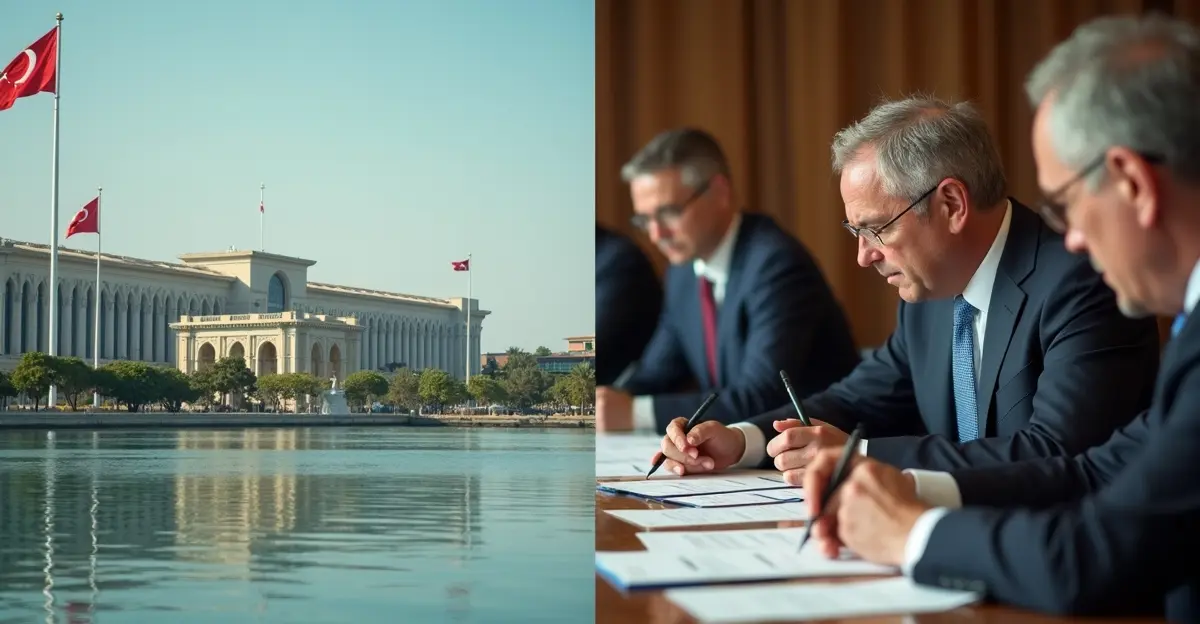
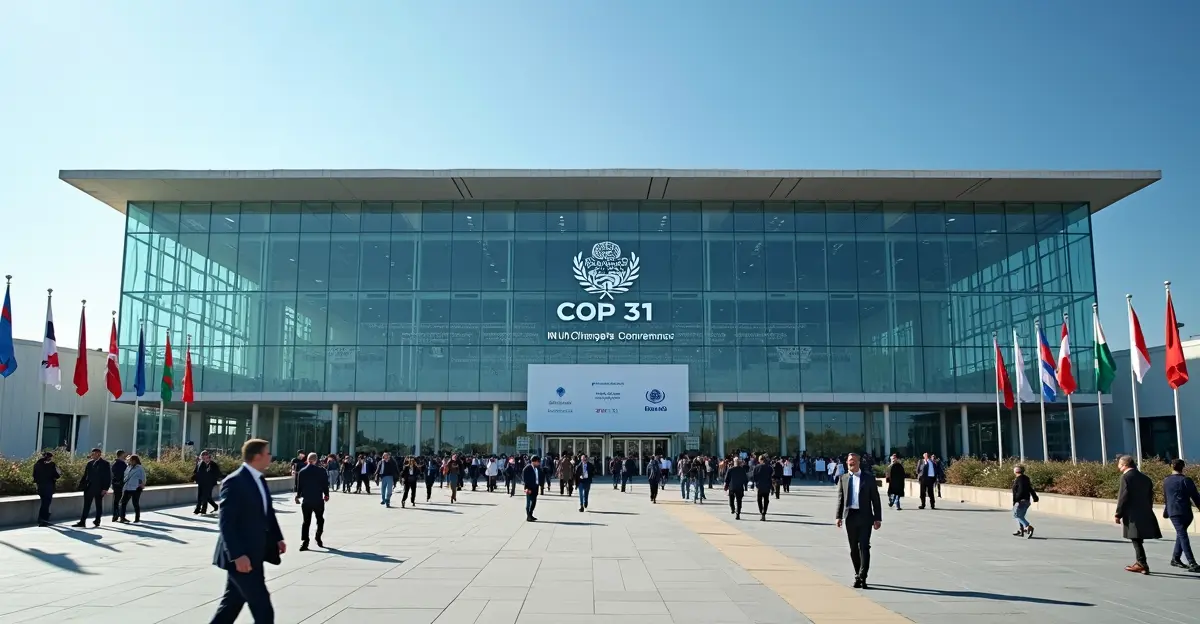
The upcoming COP31 climate summit in Antalya, Turkey, scheduled for November 9-20, 2026, represents a groundbreaking innovation in global climate governance through its unprecedented dual-presidency model. This arrangement sees Turkey handling logistics and the World Leaders Summit while Australia's Climate Minister Chris Bowen holds exclusive authority over all negotiations and draft texts. This unique governance structure reflects shifting geopolitical alliances, Turkey's strategic positioning between East and West, and Australia's climate leadership ambitions at a critical juncture in global climate diplomacy.
What is the COP31 Dual-Presidency Model?
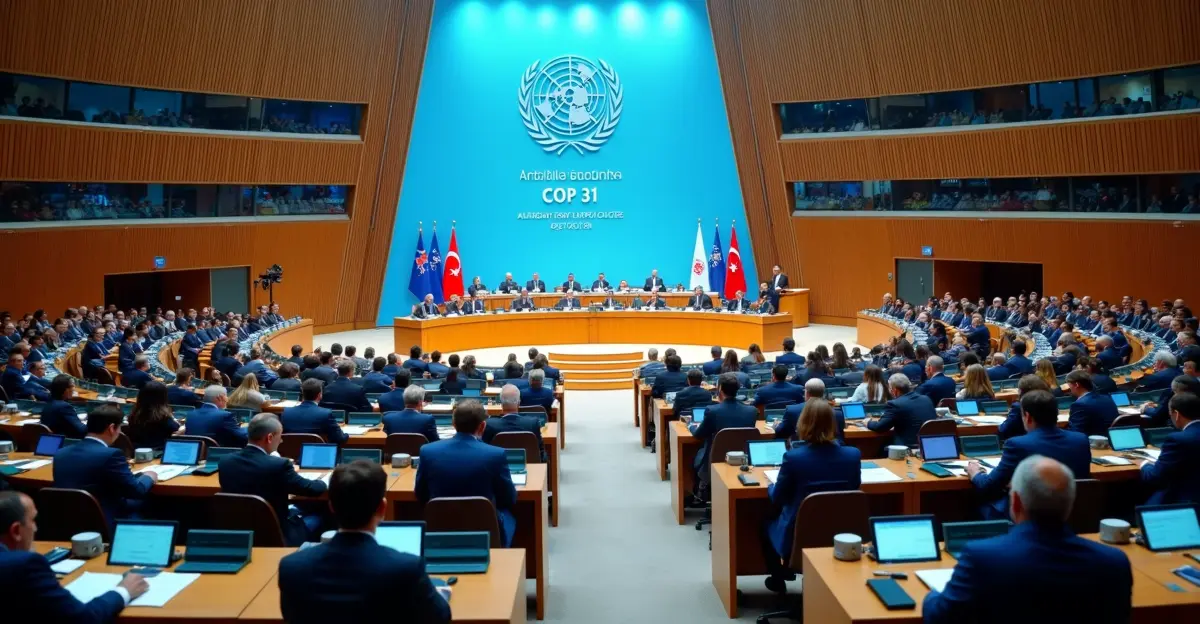
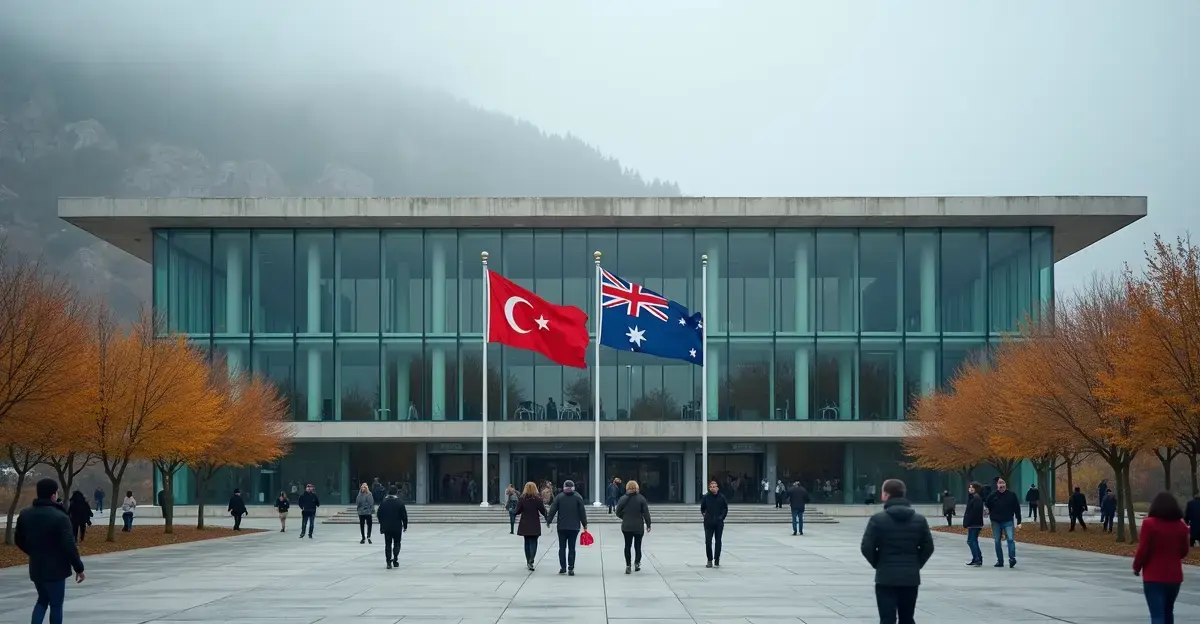
The COP31 dual-presidency model is a historic compromise that emerged from deadlocked negotiations at COP30 in Brazil. Under this arrangement, Turkey serves as the formal COP President and hosts the conference in Antalya, while Australia's Climate Change Minister Chris Bowen presides over all negotiations with exclusive authority over draft texts and the negotiation agenda. This marks the first time in UNFCCC history that responsibilities have been formally split between two countries, creating a governance structure that could set precedents for future climate diplomacy as geopolitical tensions complicate multilateral cooperation.
Geopolitical Context and Strategic Positioning
The dual-presidency arrangement reflects complex geopolitical realities in 2026. Turkey gains significant diplomatic visibility as a Mediterranean-Middle Eastern climate bridge, positioning itself strategically between Eastern and Western blocs. As Minister Murat Kurum leads Turkey's hosting efforts, the country leverages its unique geographic and political position to facilitate dialogue between traditionally divided factions. Meanwhile, Australia's elevation to negotiation leadership represents a strategic victory for the Pacific region, ensuring that small island nations' existential climate threats remain central to the global agenda.
This arrangement emerged after Australia withdrew its bid to host COP31 in Adelaide, accepting a compromise that avoided the summit automatically reverting to Germany under UN rules. Prime Minister Anthony Albanese called this an "outstanding result" that provides a workaround since joint presidencies aren't traditionally allowed under UNFCCC procedures. The deal includes a pre-COP leaders meeting in the Pacific and a major fundraising round for the Pacific Resilience Facility, ensuring Pacific climate issues remain central despite the geopolitical fragmentation affecting global climate talks.
Negotiation Authority and Climate Finance Implementation
Chris Bowen's Exclusive Mandate
Australia's Climate Minister Chris Bowen holds unprecedented authority as chief negotiator for COP31, with power to select ministerial co-facilitators and set the negotiation agenda from the end of COP30 until COP31 concludes. Bowen has emphasized his strategy of "engagement, engagement, engagement" with countries "with whom we don't traditionally agree," particularly targeting petrostates like Saudi Arabia that have historically obstructed fossil fuel phaseout efforts. As a major fossil fuel exporter itself, Australia believes it has unique credibility when lobbying other resource-rich nations.
The $1.3 Trillion Climate Finance Challenge
A central focus of COP31 will be operationalizing the $1.3 trillion annual climate finance target established at COP30, requiring a seven-fold increase from current funding levels. This includes $300 billion annually from developed to developing countries by 2035. The conference represents a critical shift from climate negotiation to implementation, with the dual-presidency model specifically designed to bridge divides between developed and developing nations on finance mechanisms. Key challenges include addressing transatlantic policy divides, ensuring climate justice for vulnerable nations, and creating actionable investment practices that can reshape global capital flows.
Fossil Fuel Transition Negotiations
COP31 faces the difficult task of advancing fossil fuel transition negotiations beyond the 2023 Dubai agreement that first committed nations to phasing out fossil fuels. Bowen aims for COP31 to achieve a "meaningful step forward" from previous commitments, though the summit follows COP30's failure to secure explicit fossil fuel phase-out language despite Brazil's proposal backed by over 80 countries. The final COP30 text reaffirmed the COP28 commitment to "transition away from fossil fuels" but omitted a formal roadmap.
The dual-presidency structure may provide new diplomatic pathways for addressing this contentious issue. Turkey's position as an energy transit hub between Europe and Asia gives it unique leverage in energy transition discussions, while Australia's experience as a major fossil fuel exporter provides practical insights into just transition challenges. This combination could facilitate more productive dialogues than traditional negotiation formats, particularly given the energy security concerns affecting global oil trade due to Middle East conflicts.
Implications for Future Climate Diplomacy
The Turkey-Australia dual-presidency model could establish important precedents for future climate negotiations as geopolitical tensions increasingly complicate multilateral cooperation. This innovative governance structure demonstrates that control over the negotiation agenda is now as important as hosting rights, potentially reshaping how future COP presidencies are structured. The model offers a template for balancing competing interests in an increasingly fragmented international landscape, where traditional negotiation formats struggle to achieve consensus.
Experts note that this arrangement keeps Australia and the Pacific influential in global climate negotiations despite not hosting physically. The inclusion of a pre-COP meeting in a Pacific island nation ensures that vulnerable nations' perspectives are elevated, addressing criticisms that previous summits have marginalized those most affected by climate change. This approach could influence future climate governance models as the international community grapples with implementing the Paris Agreement amid rising geopolitical competition.
Expert Perspectives on the Dual-Presidency Model
Climate diplomacy experts have noted the strategic wisdom of this arrangement. "The Turkey-Australia partnership represents pragmatic innovation in climate governance," observed one UN climate official speaking anonymously. "By separating hosting from negotiation leadership, we create space for more focused diplomatic work while maintaining the ceremonial and logistical benefits of a traditional COP presidency." Pacific Island representatives have expressed mixed reactions—while disappointed about not hosting in the region, they recognize Australia's commitment to prioritizing their climate issues through the negotiation authority.
FAQ: COP31 Dual-Presidency Questions Answered
What is the COP31 dual-presidency model?
The COP31 dual-presidency model splits responsibilities between Turkey (hosting and formal presidency) and Australia (negotiation leadership and agenda control), marking the first such arrangement in UNFCCC history.
Who has authority over negotiations at COP31?
Australia's Climate Minister Chris Bowen holds exclusive authority over all negotiations and draft texts, with power to select co-facilitators and set the agenda from COP30's conclusion through COP31.
When and where is COP31 taking place?
COP31 is scheduled for November 9-20, 2026, in Antalya, Turkey, with a pre-COP meeting planned for a Pacific island nation to highlight climate impacts on vulnerable communities.
What are the main goals for COP31?
Key goals include operationalizing the $1.3 trillion annual climate finance target, implementing Nationally Determined Contributions 3.0, advancing fossil fuel transition roadmaps, and establishing concrete accountability mechanisms.
Could this model be used for future climate summits?
Yes, the dual-presidency model could establish precedents for future COPs as geopolitical tensions complicate traditional negotiation formats, offering a template for balancing competing interests in fragmented international landscapes.
Conclusion: A New Era in Climate Governance
The Turkey-Australia dual-presidency model for COP31 represents a significant innovation in global climate governance that reflects the complex geopolitical realities of 2026. By separating hosting responsibilities from negotiation authority, this arrangement creates new diplomatic pathways for addressing contentious issues like climate finance implementation and fossil fuel transitions. As the world shifts from climate negotiation to implementation, this model offers a potential template for future climate diplomacy amid rising geopolitical tensions. The success of COP31 will depend not only on substantive outcomes but also on whether this innovative governance structure can deliver more effective multilateral cooperation than traditional formats.


Follow Discussion