


 Deutsch
 English
 Español
 Français
 Nederlands
 Português


 Share
Share




The February 2026 Strait of Hormuz closure triggered the most severe energy shock since the 1973 oil embargo, removing nearly 20% of global oil supplies and sending Brent crude from $61 to $138 per barrel within weeks. The disruption, three to five times larger than the 1973 crisis, is permanently restructuring global trade routes, accelerating nearshoring, and driving new multilateral frameworks like FORGE for critical mineral supply security. The strategic consequences are reshaping energy policy in real time.
What Caused the February 2026 Closure?
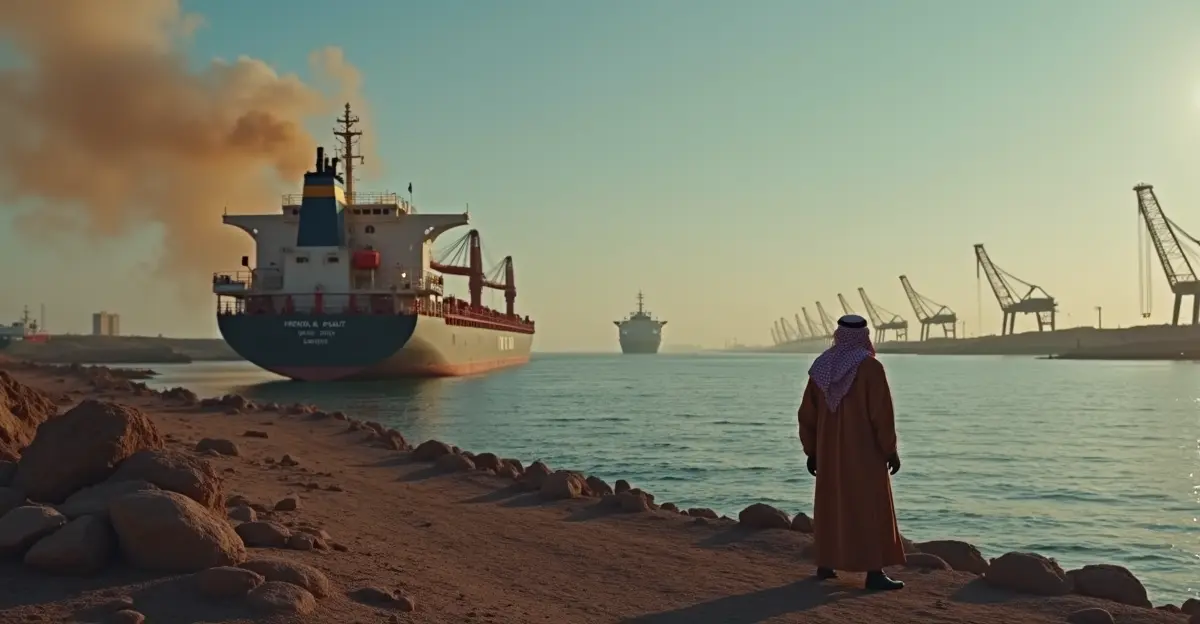
The strait, which carried roughly 20 million barrels per day—about 20% of global petroleum liquids—became impassable after U.S.-led coalition airstrikes on Iran in early February 2026. Iran retaliated with naval mining and anti-ship missiles, blockading the waterway. Saudi and UAE pipelines offer only 2.6 million barrels per day of bypass capacity, according to the EIA. This is the first extended closure in modern history and has heightened fears over global energy security and maritime chokepoint vulnerability.
Oil and Commodity Shock: The Numbers
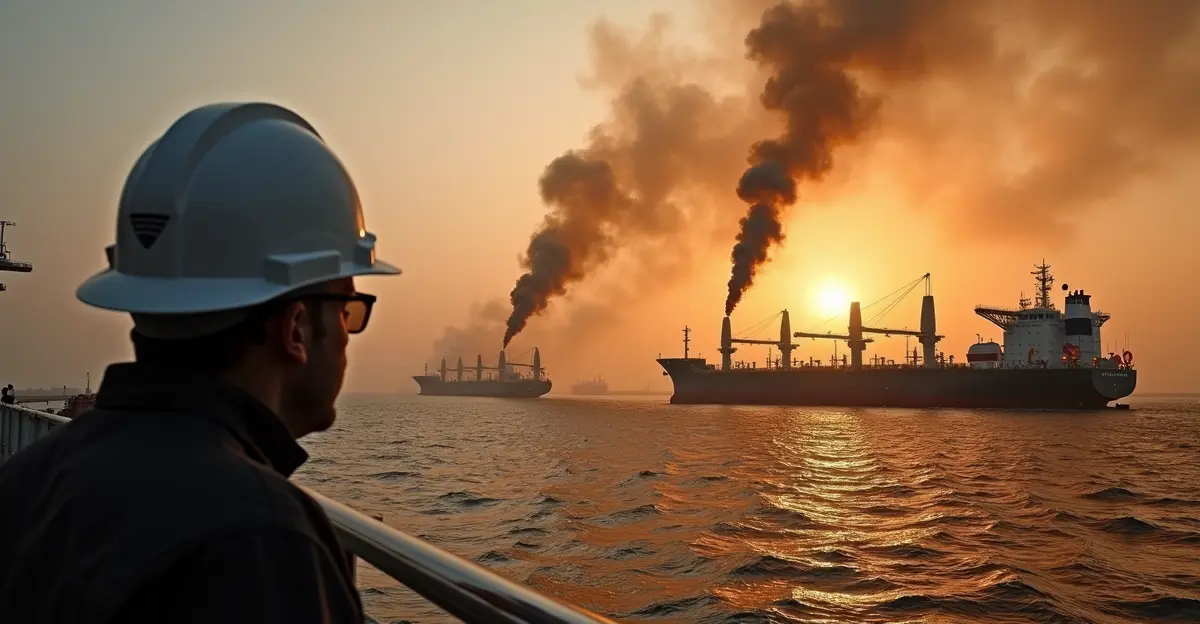
Brent crude spiked from $61 to $138 per barrel—a 126% jump—far exceeding the 1973 embargo's initial impact. The IMF warns global growth could fall to 2% with inflation above 6%. Beyond oil, more than 470,000 TEUs of containerized shipping were trapped, and nine non-oil commodity chains were disrupted, including fertilizers, aluminum, petrochemicals, and steel. This upheaval is reshaping global trade routes as importers seek alternatives to the Persian Gulf.
Strategic Petroleum Reserve Drains to 1982 Levels
Emergency releases by the U.S. and IEA pushed the U.S. Strategic Petroleum Reserve to levels not seen since 1982, below 350 million barrels. The US Strategic Petroleum Reserve drawdown raises questions about future crisis capacity. Before the closure, the EIA had forecast Brent at $58 per barrel in 2026, underscoring how quickly oversupply vanished.
Permanent Trade Route Restructuring and Nearshoring
Shipping lines are rerouting vessels around the Cape of Good Hope, adding 10–14 days and higher freight costs, a shift becoming structural as war-risk premiums persist. European and Asian manufacturers are accelerating supply chain nearshoring and regionalization, with new investment in Mexico, Turkey, and Southeast Asia. The crisis has made supply chain resilience a boardroom priority, moving beyond temporary disruption management.
FORGE and New Multilateral Frameworks
In February 2026, the U.S. launched the Forum on Resource Geostrategic Engagement (FORGE), replacing the Minerals Security Partnership, with 54 nations and over $30 billion mobilized. FORGE establishes price floors—cobalt $25.20/lb, lithium $15,200/tonne, copper $5.10/lb—and Project Vault, a strategic reserve backed by a $10 billion EXIM loan. The initiative targets critical minerals supply chains exposed by the Hormuz crisis, as China controls an estimated 60–80% of refined critical minerals, according to industry analysis.
What the April 2026 Ceasefire Means
A fragile ceasefire took effect in April 2026, with Brent crude easing to around $106 per barrel—still 74% above January levels. The Hormuz ceasefire April 2026 is being tested by sporadic attacks, and analysts warn that shipping insurance costs and security protocols will keep the structural effects alive long after the military standoff.
FAQ
Why did the Strait of Hormuz close in 2026?
Iranian naval mining and missile attacks after U.S.-led coalition airstrikes blockaded the strait in February 2026.
How much did Brent crude rise?
Brent rose from $61 to $138 per barrel, a 126% spike, before easing to $106 after the April ceasefire.
What commodities besides oil were disrupted?
Fertilizers, aluminum, petrochemicals, steel, and seven other commodity chains were disrupted; over 470,000 TEUs of shipping were trapped.
What is FORGE?
FORGE is a U.S.-led multilateral framework launched in February 2026 to secure critical mineral supply chains through price floors and strategic reserves.
How has the Hormuz closure changed global trade?
It is accelerating rerouting around the Cape of Good Hope, nearshoring, and higher inventory holdings, permanently restructuring supply chains.



Follow Discussion