


 Deutsch
 English
 Español
 Français
 Nederlands
 Português


 Share
Share




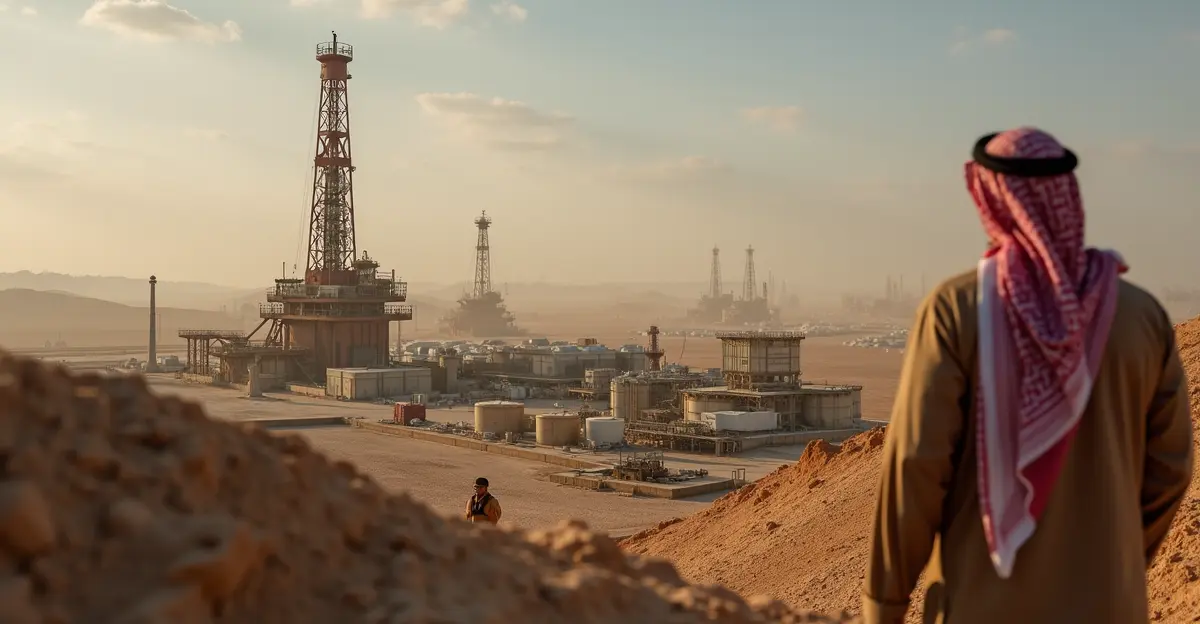
A Saudi oil pipeline drone attack has knocked out one of the kingdom's most strategic energy arteries, and officials now say the 1,200-kilometre East-West Pipeline may remain shut for weeks. The strike, which hit pumping stations on 10–11 September 2026, has forced Saudi Arabia to halt a route that bypasses the war-disrupted Strait of Hormuz, cutting roughly 4% of global oil supply and pushing crude prices above $100 a barrel.
What Is the East-West Pipeline?
The East-West Pipeline, also known as Petroline, runs from the Abqaiq oil field on the Persian Gulf coast to the Red Sea port of Yanbu. Built in the 1980s during the Iran–Iraq War, it was designed to give Riyadh an export route that avoids the Strait of Hormuz, a narrow waterway where shipping has nearly halted amid the wider 2026 Iran war. The pipeline normally carries about 5 million barrels per day (bpd), but after natural gas liquids lines were converted in 2026, its full capacity reached 7 million bpd.
On Friday 12 September 2026, two regional officials told the Associated Press that repairs could take three to five weeks. One official said the line might remain partially operational during repairs, but the precautionary shutdown removes a major alternative export route at a time when the Strait of Hormuz is effectively closed to non-Iranian vessels. This is a strategic lifeline, not just a pipeline, one energy analyst said.
Drone Attack Timeline and Response
The attack originated from Iraq's Maysan Governorate, according to Saudi officials and Iraqi government confirmations. Saudi Arabia said Iran-backed militias in Iraq carried out the strikes, and Iraq later dismissed the Maysan operations commander while asking Riyadh not to retaliate. The East-West Pipeline had been carrying roughly 4–5 million bpd to Yanbu before the attack.
The shutdown cuts about 4% of global oil supply, according to analysts, pushing Brent crude above $108 a barrel and WTI above $103 on 14 September 2026. The pipeline had only just been restored to full capacity in April 2026 after an earlier Iranian drone strike reduced throughput by 700,000 bpd.
Houthi Gains and Civilian Displacement in Yemen
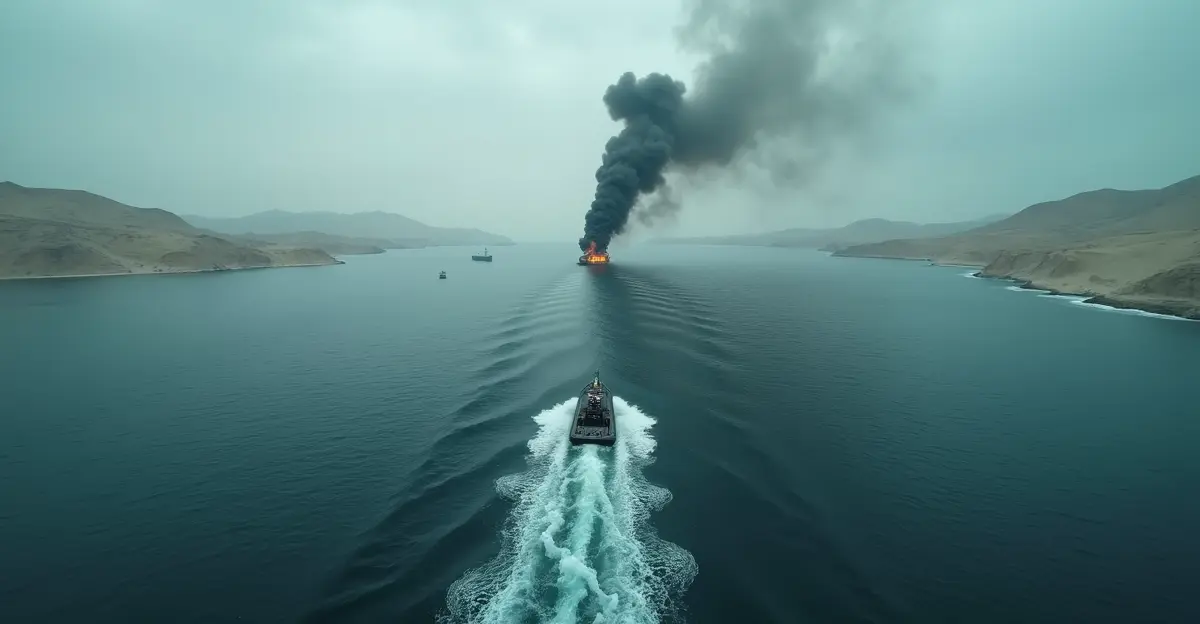
Meanwhile, the Iran-backed Houthi movement intensified its offensive in Yemen. On 14 September, the Houthis said they captured the islands of Greater Hanish and Lesser Hanish in the Red Sea, about 160 km north of the Bab al-Mandab Strait. Earlier they seized Perim Island and the port city of Mokha, giving them greater control over this critical shipping corridor between Europe and Asia.
The escalation has displaced more than 80,000 people in two weeks, with over 2,000 fleeing by boat to Djibouti. The Yemeni Ministry of Human Rights reported about 150 civilians killed since 3 September, including a pregnant woman, and more than 200 wounded. There is a shortage of emergency aid, insufficient shelter, and no assistance for more than a thousand families who urgently need food, CARE Netherlands said. The Yemen civil war displacement crisis is deepening as fears of a new civil war grow.
Impact on Global Oil Markets and Shipping
The loss of the East-West Pipeline leaves Saudi Arabia with fewer options to export crude while the Strait of Hormuz remains disrupted. Before the attack, the kingdom had increased exports via the Bab al-Mandeb Strait by 21% as an alternative. Now the Houthi attacks on Red Sea shipping threaten that route too. Analysts warn a prolonged shutdown could force Saudi production cuts, raising global energy costs and adding economic pressure ahead of U.S. midterms.
Key Export Routes Comparison
| Route | Typical Capacity | Status (Sept 2026) |
|---|---|---|
| East-West Pipeline (Petroline) | 5–7 million bpd | Shut down, repairs 3–5 weeks |
| Strait of Hormuz | ~20 million bpd | Effectively closed to non-Iranian vessels |
| Bab al-Mandeb Strait | ~6 million bpd | Threatened by Houthi advances |
The global oil price surge reflects the combined disruption of both the pipeline and the Strait of Hormuz, creating a permanent risk premium for energy markets.
Frequently Asked Questions
Why was the Saudi oil pipeline shut down?
The East-West Pipeline was shut down as a precaution after drone strikes hit pumping stations on 10–11 September 2026. Repairs are expected to take three to five weeks.
Who carried out the drone attack?
Saudi Arabia says Iran-backed militias in Iraq launched the drones from Maysan Governorate. Iraq confirmed the launch location and dismissed a commander.
How much oil does the pipeline carry?
Before the attack, the pipeline transported about 4–5 million barrels per day, roughly 4% of global supply, to the Red Sea port of Yanbu.
What are the Houthis doing in the Red Sea?
The Houthis have captured islands and ports near the Bab al-Mandeb Strait, seeking control of the shipping lane between Europe and Asia.


Follow Discussion