


 Deutsch
 English
 Español
 Français
 Nederlands
 Português


 Share
Share




AI Data Centers: The New Energy Super-Consumers
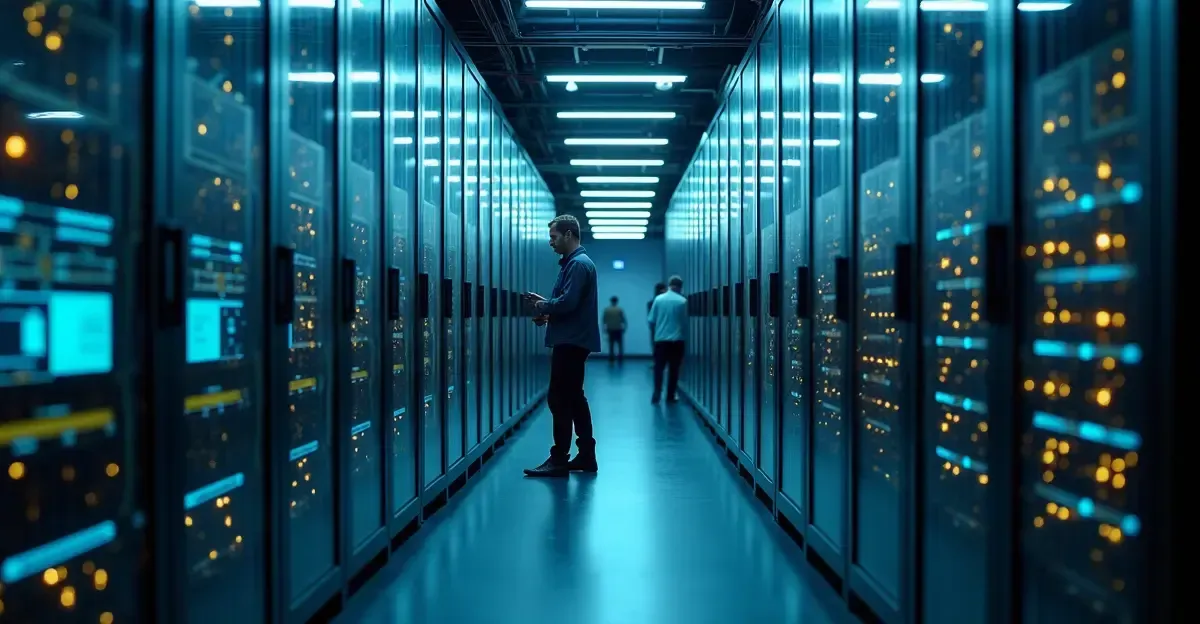
Global data center electricity consumption is projected to nearly double from 485 TWh in 2025 to roughly 950 TWh by 2030, with AI-optimized facilities growing three times faster than conventional servers, according to the IEA's April 2026 Electricity Report. This surge is reshaping global energy markets, as power availability has overtaken land and permitting as the primary bottleneck for data center construction. Hyperscalers like Microsoft, Google, and Amazon are making unprecedented bets on nuclear energy—including restarting Three Mile Island and investing $20 billion in nuclear-powered campuses—to secure the 24/7 baseload power their AI ambitions demand.
The global energy transition is being tested by this new demand. The IEA's base case shows data centers consuming nearly 3% of global electricity by 2030, up from 1.5% in 2024. In the United States alone, per-capita data center consumption is projected to exceed 1,200 kWh by 2030. This structural shift has prompted Goldman Sachs to flag a power shortfall of 9.3 GW in the U.S. in 2026, widening to 45 GW by 2028—making this the defining energy-infrastructure challenge of 2026.
The Power Crunch: 9.3 GW Gap and Growing
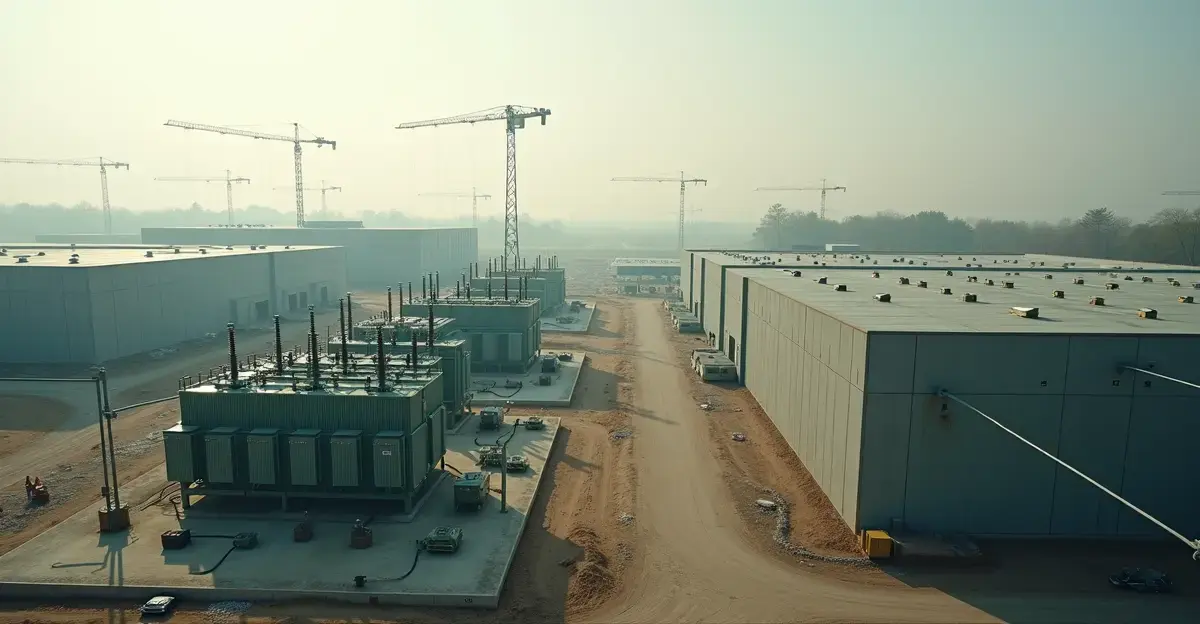
Goldman Sachs Research projects data center power demand will surge 175% by 2030 compared to 2023 levels, equivalent to adding another Top 10 power-consuming country. The Axis Intelligence AI Infrastructure Pressure Index (AIPI) stands at 84/100, signaling that physical constraints—grid connection waits of four years, GPU lead times of 36–52 weeks—now represent the primary brake on AI scaling, not financial appetite or technology readiness.
North American colocation vacancy hit an all-time low of 2.3%, with rents rising 11% annually. The Big Five hyperscalers (Amazon, Alphabet, Meta, Microsoft, Oracle) are set to spend approximately $725 billion on AI infrastructure in 2026—a 77% increase over 2025. This AI infrastructure investment boom is driving a structural realignment of electricity markets, grid infrastructure priorities, and corporate energy procurement strategies worldwide.
Nuclear Renaissance: Big Tech's Bet on Atomic Power
Facing severe grid interconnection bottlenecks—a backlog of 2,600 GW with five-year wait times—Big Tech is pivoting directly to nuclear power in 2026. A total of 9.8 GW of nuclear capacity has been committed across 13 announced deals by seven buyers, according to SMR Intel's tracker.
Microsoft: Restarting Three Mile Island
Microsoft secured a landmark 20-year, 837 MW power purchase agreement (PPA) with Constellation Energy to restart the Crane Clean Energy Center (Three Mile Island Unit 1). The $1.6 billion refurbishment is expected to deliver power by 2027, making it the first nuclear restart directly powering AI data centers. The PPA is estimated at $70–$95/MWh, setting a benchmark for future nuclear deals.
Amazon: $20 Billion Nuclear Campus
Amazon invested $700 million in X-energy for up to 12 Xe-100 high-temperature gas reactors (HTGRs) and is developing a $20 billion+ AI campus near the Susquehanna nuclear plant in Pennsylvania. The company also expanded its PPA with Talen Energy to 1,920 MW through 2042, securing the largest single nuclear-powered data center commitment to date.
Google and Meta: SMR Pioneers
Google signed the first corporate small modular reactor (SMR) deal with Kairos Power for 500 MW of KP-FHR reactors by 2030. Meta leads the pack with up to 6.6 GW across partnerships with TerraPower (Natrium SFR), Oklo (Aurora SFR), Vistra, and Constellation. The small modular reactor market is expected to accelerate as hyperscalers seek scalable, carbon-free baseload power.
Impact on Electricity Markets and Grids
The structural shift represents the privatization of the grid's largest customers, with profound implications for electricity pricing, carbon targets, and the geography of compute infrastructure. Wholesale power prices near hyperscale facilities have surged 267% since 2020, according to Informed Clearly. In the PJM grid (Pennsylvania), where most nuclear-powered data center activity is concentrated, existing nuclear infrastructure supports data center hubs but also strains transmission capacity.
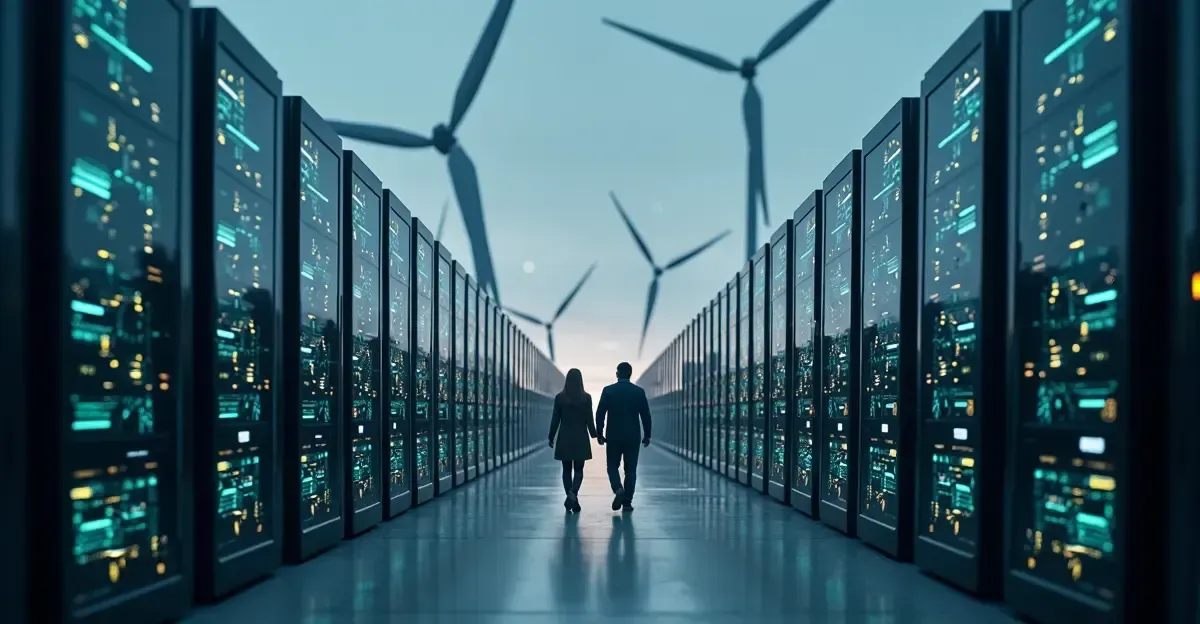
The IEA's energy supply analysis shows that renewables are the fastest-growing source, meeting nearly 50% of new demand by 2030, while natural gas and coal together cover over 40% of additional demand until 2030. Coal currently supplies about 30% of data center electricity, renewables 27%, natural gas 26%, and nuclear 15%. CO2 emissions from data centers peak at around 320 Mt CO2 by 2030 before declining as SMRs and renewables scale up. The data center carbon footprint debate is intensifying as environmental groups push for faster clean energy adoption.
Expert Perspectives
"The AI energy crunch is not a future problem—it is here now, and it is reshaping how we think about electricity markets, grid planning, and corporate energy strategy," said Fatih Birol, Executive Director of the IEA, in the April 2026 Electricity Report. "Data centers are becoming a dominant force in electricity demand growth, and their need for reliable, 24/7 power is driving a renaissance in nuclear energy that few predicted five years ago."
Goldman Sachs analyst Brian Singer noted: "The 6 Ps—Pervasiveness of AI, Productivity, Prices, Policy, Parts, and People—will determine whether the industry can overcome the 45 GW shortfall by 2028. Without a massive acceleration in grid investment and new generation capacity, AI scaling will hit a physical wall."
FAQ
How much electricity do AI data centers consume in 2026?
Global data center electricity consumption is projected at approximately 485 TWh in 2025, rising to 950 TWh by 2030. AI-optimized facilities are growing three times faster than conventional servers.
Why are tech companies investing in nuclear power?
Nuclear power provides 24/7 carbon-free baseload electricity, essential for AI data centers that operate continuously. Grid interconnection bottlenecks (five-year waits) and the need for reliable power have driven hyperscalers to sign long-term PPAs with nuclear plants and invest in SMR development.
What is the U.S. power shortfall for data centers?
Goldman Sachs flags a structural power shortfall of 9.3 GW in 2026, widening to 45 GW by 2028. This gap is driven by surging AI demand and insufficient new generation and transmission capacity.
Which companies are leading nuclear-powered data center deals?
Meta leads with up to 6.6 GW across multiple partnerships. Microsoft secured 837 MW via Three Mile Island restart. Amazon committed 1.92 GW from Susquehanna plus $20 billion for a nuclear-powered campus. Google signed a 500 MW SMR deal with Kairos Power.
Will data center growth increase carbon emissions?
IEA projects CO2 emissions from data centers will peak at around 320 Mt CO2 by 2030 before declining as renewables and SMRs scale. Currently, coal supplies 30% of data center electricity, but the share of clean energy is rising rapidly.
Conclusion: A Structural Realignment
The AI energy crunch is driving a fundamental realignment of global energy markets. With power availability now the primary bottleneck for data center construction, hyperscalers are becoming major players in electricity markets, signing long-term nuclear PPAs and investing in next-generation SMRs. The 9.3 GW shortfall in 2026 is a warning sign: without massive grid investment and new generation capacity, the AI revolution could be constrained by the very infrastructure it depends on. The coming years will test whether the energy sector can keep pace with the insatiable demand of artificial intelligence.

Follow Discussion