


 Deutsch
 English
 Español
 Français
 Nederlands
 Português


 Share
Share




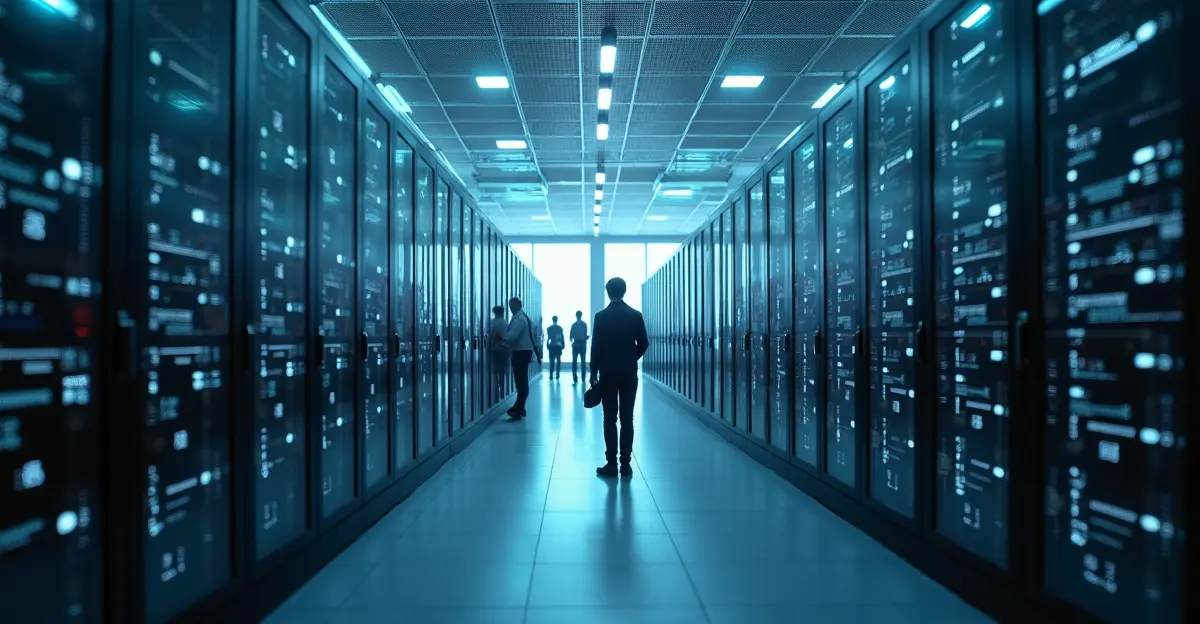
AI power hunger has moved from forecast to flashpoint. Global AI data centers are projected to consume more than 1,000 terawatt-hours (TWh) of electricity in 2026—surpassing the annual power use of France or the United Kingdom, according to the IEA's Electricity 2026 report. In early 2026, AEP Ohio paused new data center interconnections, Microsoft accelerated its plan to restart Three Mile Island Unit 1, and PJM capacity prices spiked nearly tenfold. The result is a structural power deficit that is pushing hyperscalers toward nuclear energy and raising hard questions about grid equity, household bills, and decarbonization timelines.
What Is AI Power Hunger and Why It Matters
AI power hunger describes the surging electricity demand from data center energy consumption running machine learning workloads. Unlike traditional cloud services, AI training and inference require dense clusters of power-hungry GPUs and advanced cooling. The IEA projects U.S. data centers alone could consume 6.7% to 12% of national electricity by 2028, while major hyperscalers such as AWS, Microsoft, Google, and Meta report annual energy growth of 29% to 52%. This demand is colliding with an aging grid and the retirement of coal plants, creating a race for firm, carbon-free power.
Why Big Tech Is Pivoting to Nuclear
Restarting Dormant Reactors
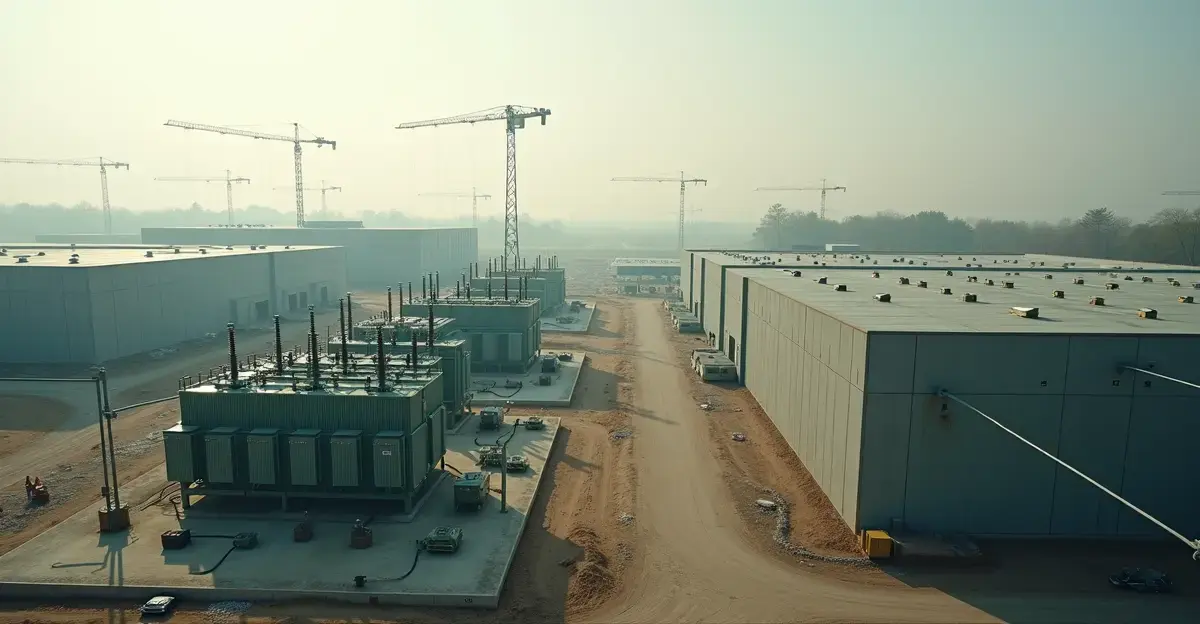
Microsoft's 20-year power purchase agreement with Constellation Energy to restart Three Mile Island Unit 1—now the Crane Clean Energy Centre—will deliver 835 megawatts (MW) of emissions-free power to data centers in the PJM region, with a target operational date of 2027 and a reported $16 billion contract value. A 262-tonne transformer arrived in Middletown, Pennsylvania, in August 2026, signaling that construction is underway despite legal challenges from groups like TMI Alert.
Small Modular Reactors: The Next Frontier
Beyond restarts, hyperscalers have committed more than 9.8 gigawatts (GW) of nuclear capacity across 13 deals. Google signed a 500 MW agreement with Kairos Power for advanced reactors targeted by 2030. Amazon invested $700 million in X-energy for up to 12 Xe-100 small modular reactors, while Meta holds the largest portfolio—up to 6.6 GW across TerraPower, Oklo, Vistra, and Constellation. These SMRs promise factory-built scalability, but they face bottlenecks in HALEU fuel supply, nuclear-grade steel forges, transformer lead times, and workforce training.
The Grid Equity Problem: Who Pays for AI Power Hunger?
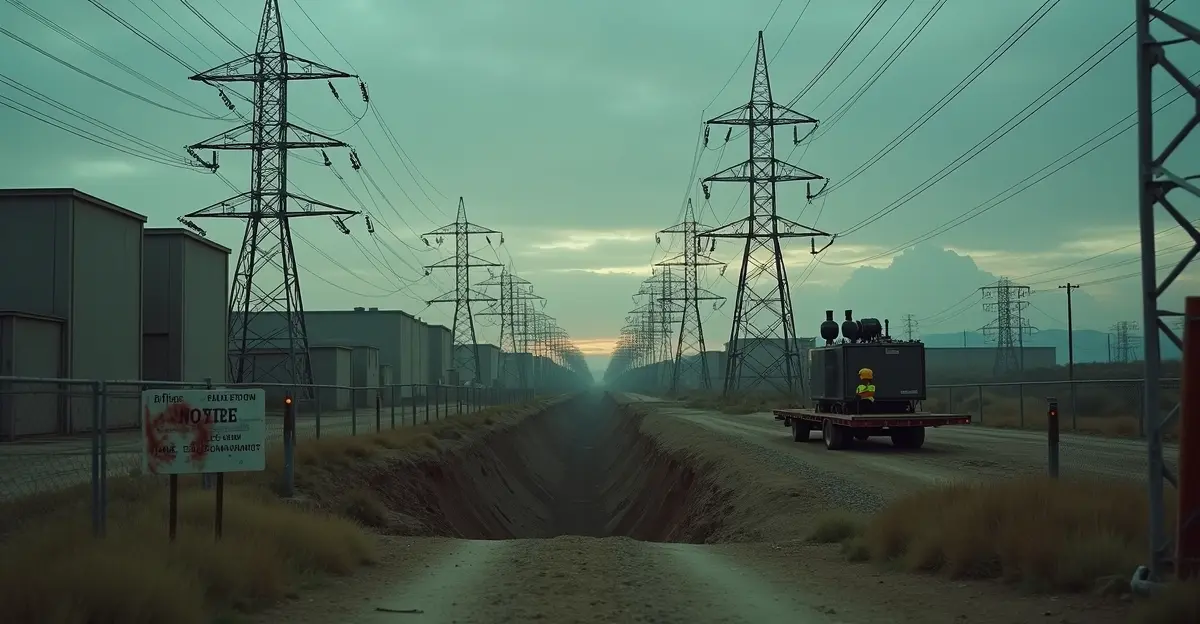
Not everyone shares the enthusiasm. In Ohio, AEP's Basic Transmission Cost Rider increased about 0.79 cents per kilowatt-hour in April 2026, adding roughly $7.90 per month to the average household bill to fund transmission upgrades for hyperscale data centers. PJM capacity clearing prices in the AEP zone have reached $329 to $333 per MW-day, roughly ten times historical levels, according to GPU Lease Index. Across the United States, residential electricity rates have risen 42% since 2019, and utilities requested $31 billion in rate hikes in 2025 alone. AEP Ohio's data center tariff now requires new loads above 25 MW to pay at least 85% of contracted capacity for up to 12 years, but critics say it came too late and does not cover all jurisdictions.
Expert Perspectives: Sustainable Solution or High-Stakes Gamble?
Morgan Stanley warns that global electricity demand could surge by 126 GW by 2028, with a projected 49 GW generation shortfall in the United States. Eric Epstein of TMI Alert, who is litigating the Three Mile Island restart, said the project raises 'safety concerns, a $1 billion taxpayer loan, and Susquehanna River water use.' Meanwhile, Pennsylvania Governor Josh Shapiro has signed new rules making data center developers more accountable while still backing the restart, reflecting the political tightrope between economic growth and public opposition. 'Existing reactor restarts deliver power fastest, while new-build SMRs offer scale,' notes SMR Intel's tracker, but the near-term gap remains unresolved.
FAQ: AI Power Hunger and the Nuclear Renaissance
What is AI power hunger?
AI power hunger refers to the rapid rise in electricity demand from data centers running artificial intelligence workloads, projected to exceed 1,000 TWh globally in 2026.
How much electricity do AI data centers consume in 2026?
Global AI data centers are projected to consume over 1,000 TWh in 2026, more than France or the United Kingdom, according to the IEA.
Why are Microsoft, Amazon, and Google investing in nuclear power?
They need firm, 24/7 carbon-free electricity to meet AI demand and climate commitments. Nuclear restarts like Three Mile Island can deliver power by 2027, while SMRs offer future scale.
Will small modular reactors solve the data center power crisis?
Not immediately. Most SMR projects are not expected online until 2030 or later, and they face fuel supply, manufacturing, and workforce bottlenecks.
Are data centers raising household electricity bills?
Yes in some regions. In Ohio, transmission charges added about $7.90 per month to average household bills in April 2026, and PJM capacity costs have spiked nearly tenfold.
Conclusion: The Energy Crossroads
The AI-nuclear alliance is reshaping energy investment faster than regulators can adapt. Whether it becomes a sustainable clean-energy model or a high-stakes gamble depends on who pays for grid upgrades, how quickly SMR bottlenecks are resolved, and whether communities retain a voice in siting decisions. As 2026 unfolds, the power hunger of AI is no longer a future projection—it is a present-day infrastructure and policy flashpoint.

Follow Discussion