


 Deutsch
 English
 Español
 Français
 Nederlands
 Português


 Share
Share




The 2026 Middle East conflict has triggered the largest disruption to global oil markets in history through the de facto closure of the Strait of Hormuz, sending energy prices surging and exposing acute vulnerabilities in supply chains for oil, LNG, and fertilizers. Simultaneously, NATO allies have responded with a historic 20% defense spending increase in 2025, pushing targets toward 5% of GDP by 2035. This article examines the dual macroeconomic shock: how energy supply disruptions are fueling inflation and slowing growth across Asia, Europe, and Africa, while the synchronized defense buildup—the largest since the Cold War—creates short-term fiscal stimulus but risks higher public debt and monetary policy tensions, as analyzed by the IMF's April 2026 World Economic Outlook.
The Strait of Hormuz: A Chokepoint Under Siege
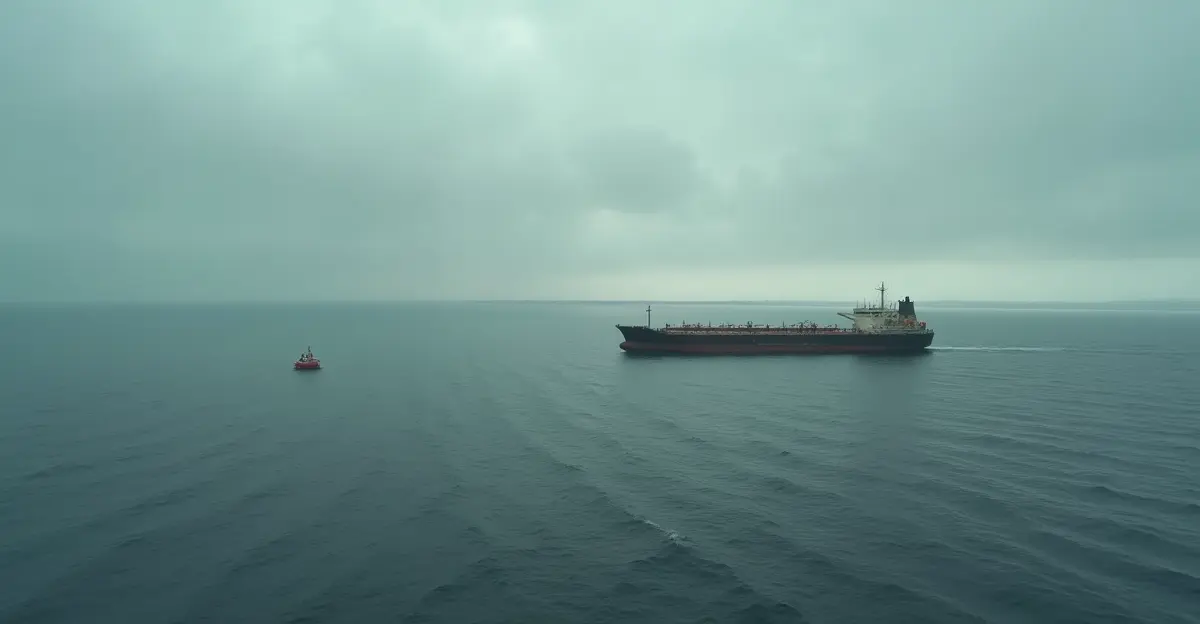
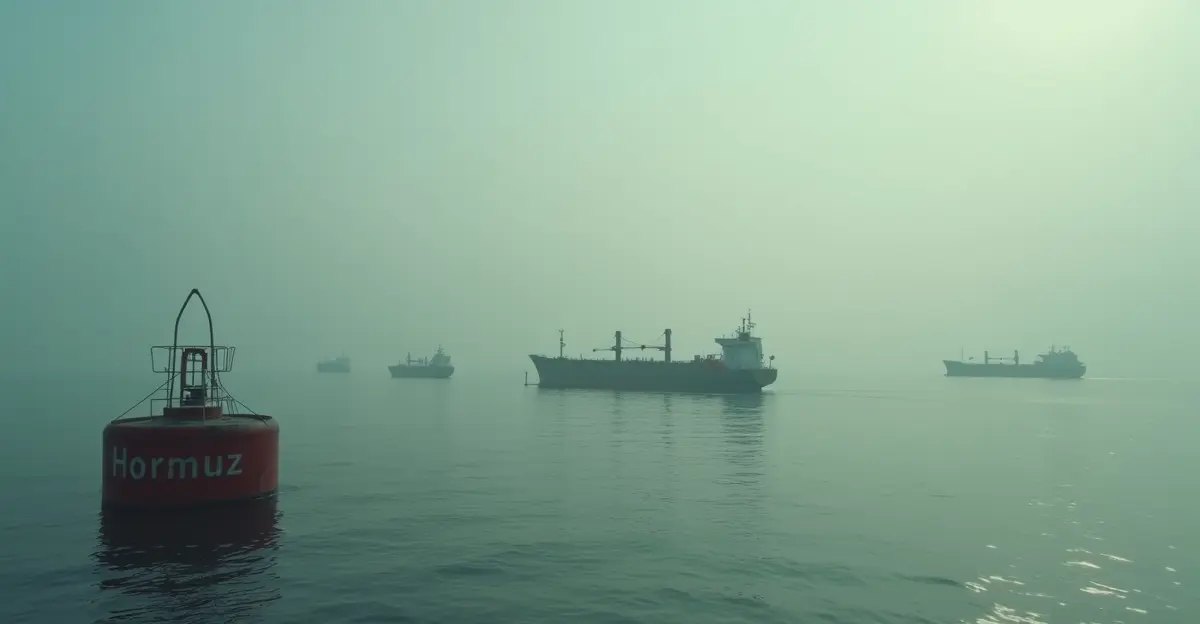
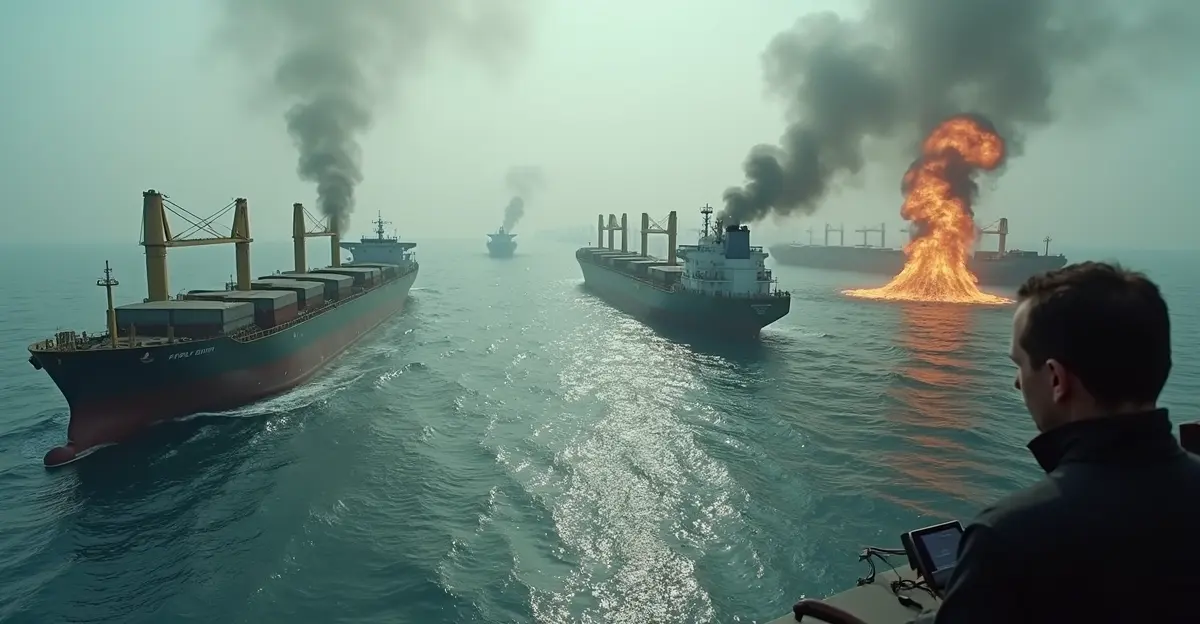
On 28 February 2026, the United States and Israel launched an air war against Iran, assassinating Supreme Leader Ali Khamenei. In retaliation, Iran's Islamic Revolutionary Guard Corps (IRGC) effectively closed the Strait of Hormuz—a 34-kilometer-wide maritime passage through which approximately 25% of the world's seaborne oil and 20% of its liquefied natural gas (LNG) flow. The IRGC issued passage warnings, attacked merchant vessels, and laid sea mines, causing tanker traffic to plummet by 70% within days and soon to near zero. By late April, over 2,000 ships and 20,000 mariners were stranded in the Persian Gulf, according to the International Maritime Organization.
The 2026 Strait of Hormuz crisis has been described by the International Energy Agency (IEA) as the "largest disruption in history" to global oil supply. Brent crude prices surged past $100 per barrel on 8 March for the first time in four years, peaking at $126 per barrel. The Dallas Federal Reserve estimates that a one-quarter closure would raise WTI oil prices to $98 per barrel and lower annualized global real GDP growth by 2.9 percentage points in Q2 2026. A two-quarter closure could push oil to $115, while a three-quarter closure could see prices reach $132. Even after reopening, the level of global real GDP would remain below pre-closure levels for years.
IMF's April 2026 World Economic Outlook: Growth Slashed, Inflation Revived
The IMF's April 2026 World Economic Outlook (WEO) paints a stark picture. Global growth for 2026 has been slashed to 3.1%, down from a pre-conflict projection of 3.4% and well below the 3.8% average of the 2000s. Under a severe scenario where energy shocks persist, growth could fall to just 2.0%. Global inflation is now projected at 4.4% for 2026, up from 4.1% in 2025, reversing the disinflation trend of 2023–2025. The IMF downgraded U.S. growth to 2.3% and eurozone growth to 1.1%, while emerging markets and developing economies—particularly energy importers in Asia and Africa—face the harshest headwinds.
The IMF's analysis of defense spending booms in Chapter 2 of the WEO finds that while military expenditure can temporarily boost economic activity, it also fuels inflation, crowds out social spending, and increases public debt. The report warns that the synchronized defense buildup risks creating "monetary policy tensions" as central banks struggle to contain price pressures amplified by fiscal expansion.
NATO's Historic Defense Spending Surge
NATO Secretary General Mark Rutte's 2025 Annual Report, released on 26 March 2026, confirmed that European Allies and Canada increased defense spending by 20% compared to 2024. For the first time, all 32 NATO members met or exceeded the 2% of GDP target set in 2014. This surge follows The Hague Investment Plan agreed at the June 2025 NATO summit, which committed members to raising defense spending to 5% of GDP by 2035. The Atlantic Council's NATO Defense Spending Tracker notes that European allies are outpacing expectations, with Norway surpassing the United States in defense spending per capita for the first time.
The NATO 5% GDP defense spending pledge represents the largest coordinated military buildup since the Cold War. However, the IMF warns that such rapid fiscal expansion risks overheating economies already grappling with energy-driven inflation. The WEO's Chapter 2 analysis shows that defense spending booms historically lead to higher real interest rates and reduced private investment, a phenomenon now playing out across Europe and North America.
Energy Supply Chains: Beyond Oil
The disruption extends far beyond crude oil. The Strait of Hormuz is a critical artery for LNG, with 20% of global supply transiting the waterway. European gas prices have surged as LNG cargoes are diverted or delayed, undermining the continent's post-Ukraine energy diversification strategy. Fertilizer markets have been hit especially hard: nearly 50% of global urea and sulfur exports pass through the Strait, and spot urea prices have jumped 50% since late February. The Fertilizer Institute warns that prolonged disruptions could reduce crop yields and drive food price inflation through 2026–27, with developing economies in Africa and South Asia most vulnerable.
UNCTAD reports that shipping transits through Hormuz have collapsed by over 95%, causing freight rates to rise 90% and insurance premiums to skyrocket. The global fertilizer supply chain crisis is compounding food security risks in import-dependent nations, echoing the 2022 food price shock but with a more concentrated geographic trigger.
Impact on Asia, Europe, and Africa
Asia is the most exposed region, given its heavy reliance on Gulf oil and LNG. Japan, South Korea, India, and China together account for over 60% of Strait of Hormuz oil transits. The IEA's March 2026 Oil Market Report notes that global oil demand growth for 2026 has been revised down by 210,000 barrels per day to just 640,000 bpd, partly due to flight cancellations and higher prices in Asia. India, which imports over 80% of its oil from the Gulf, faces a potential current account crisis and has activated emergency fuel rationing.
Europe faces a dual shock: higher energy costs and the fiscal burden of defense spending. The IMF projects eurozone growth at just 1.1% in 2026, with Germany—heavily exposed to both energy imports and export demand—teetering on recession. The European Central Bank faces a policy dilemma: raising rates to combat inflation risks crushing growth, while keeping rates low fuels price pressures.
Africa, already reeling from debt distress and climate shocks, is hit hardest by fertilizer and food price inflation. The IMF's severe scenario warns that energy-importing nations in Sub-Saharan Africa could see growth fall below 2%, pushing millions into poverty. Russia, by contrast, stands to benefit as an energy exporter, with its oil and gas revenues rising sharply.
Expert Perspectives
"The Strait of Hormuz closure is three to five times larger than past disruptions like the 1973 Yom Kippur War or the Iranian Revolution," notes a Dallas Federal Reserve analysis. "Even after reopening, the level of global real GDP would remain below pre-closure levels for years."
"We are seeing a real shift in mindset away from over-reliance on US military power," said NATO Secretary General Mark Rutte in presenting the 2025 Annual Report. "But this investment must be sustained and translated into capabilities."
"Defense spending booms can temporarily boost activity, but they increase debt and inflation," warns the IMF's WEO. "Policymakers must protect vulnerable populations and maintain credible monetary policy."
Frequently Asked Questions
What caused the Strait of Hormuz closure in 2026?
The closure began on 28 February 2026, when the US and Israel launched air strikes against Iran and assassinated its supreme leader. Iran retaliated by blocking the Strait of Hormuz through attacks on merchant ships, sea mines, and passage warnings, effectively halting tanker traffic.
How much oil passes through the Strait of Hormuz daily?
Approximately 20 million barrels of oil (about 25% of global seaborne oil trade) and 20% of the world's LNG pass through the Strait daily, making it the world's most critical energy chokepoint.
What is NATO's new defense spending target?
At the June 2025 Hague Summit, NATO members pledged to increase defense spending to 5% of GDP by 2035, up from the previous 2% target. In 2025, European allies and Canada increased spending by 20%, and all members now meet the 2% threshold.
How is the IMF projecting global growth for 2026?
The IMF's April 2026 WEO projects global growth at 3.1% under a limited conflict scenario, down from 3.4% pre-conflict. In a severe scenario with prolonged energy disruptions, growth could fall to 2.0%. Global inflation is forecast at 4.4%.
Which regions are most affected by the crisis?
Asia is most exposed due to heavy reliance on Gulf oil and LNG imports. Europe faces a dual shock of higher energy costs and defense spending burdens. Africa is hit hardest by fertilizer and food price inflation. Russia benefits as an energy exporter.
Conclusion: A Defining Strategic-Economic Story
The convergence of the Strait of Hormuz closure and NATO's historic defense buildup represents the defining strategic-economic story of early 2026. The IMF's April WEO and IEA reports have quantified the economic damage, while NATO's March 2026 annual report confirmed the spending surge. The dual shock—energy-driven inflation and defense-led fiscal expansion—creates unprecedented policy challenges for central banks and governments worldwide. As the conflict evolves, the world faces a prolonged period of higher energy costs, slower growth, and elevated geopolitical risk, with the poorest nations bearing the heaviest burden.

Follow Discussion