


 Deutsch
 English
 Español
 Français
 Nederlands
 Português


 Share
Share




The 2026 energy crisis has halted global disinflation and pushed borrowing costs for emerging market and developing economies (EMDEs) sharply higher, with per-capita income growth now at its weakest pace since the pandemic. The United Nations' World Economic Situation and Prospects (WESP) mid-2026 update projects developing-economy inflation will jump from 4.2% in 2025 to 5.2% in 2026, while the World Bank's June 2026 Global Economic Prospects warns that rising debt and capital-flow pressures risk turning the 2020s into a lost decade for much of the global South.
What Is the 2026 Energy Shock and How Did It Start?
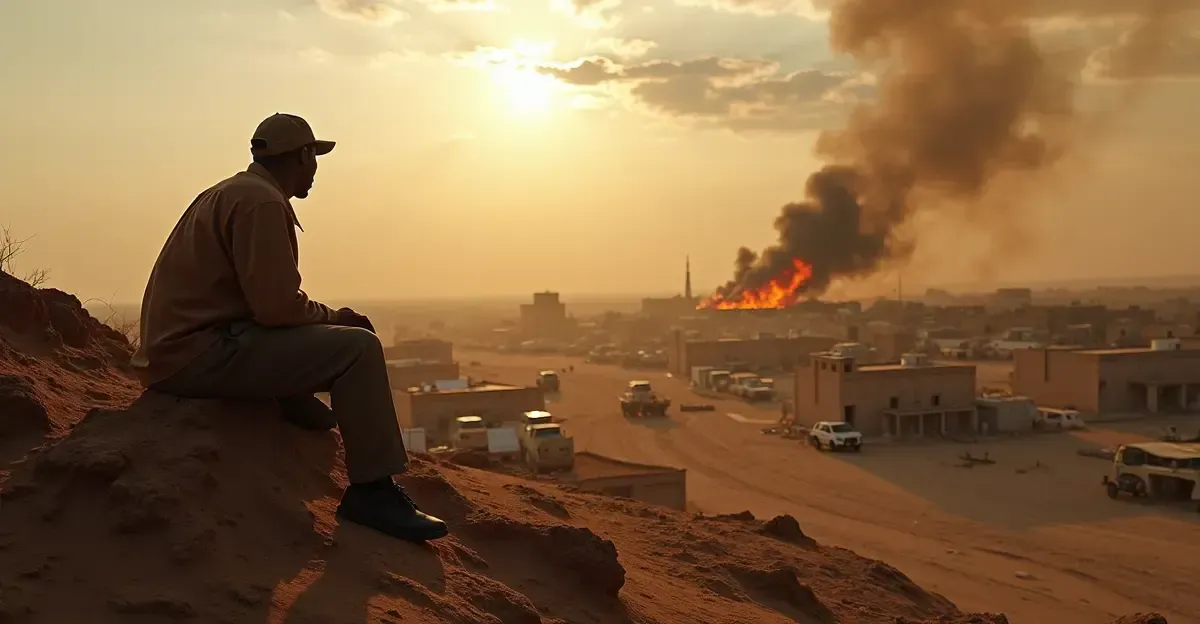
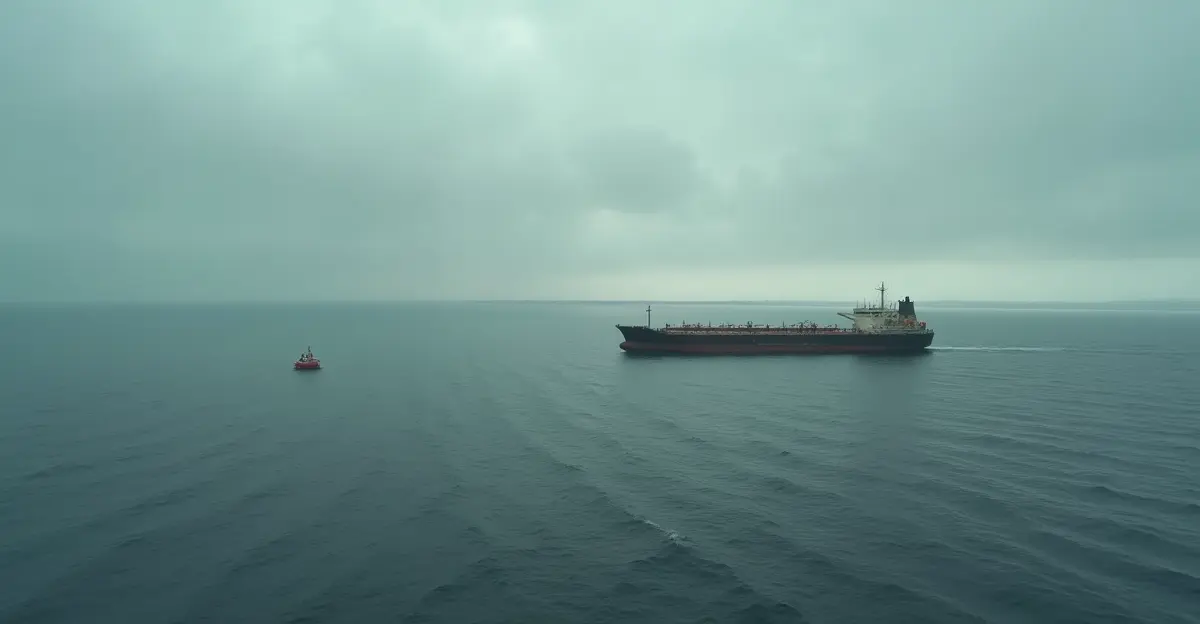
The crisis began on February 28, 2026, when US-Israeli airstrikes on Iran and Iran's subsequent mining of the Strait of Hormuz oil supply corridor—which handles about 35% of global seaborne crude—triggered the largest oil supply shock on record, cutting supply by 10.1 million barrels per day. Brent crude jumped 65% from its 2025 average of $69, briefly touching $119 before settling near $92 after a fragile Pakistan-brokered ceasefire. The World Bank's April 2026 Commodity Markets Outlook forecasts Brent to average $86 per barrel in 2026, with energy prices up 24% year-on-year. Tanker traffic collapsed by over 90%, and war-risk insurance premiums surged from 0.25% to 10% of vessel value. War is development in reverse, said Indermit Gill, the World Bank's chief economist.
How Energy-Importing Developing Economies Are Caught in a Double Squeeze
Energy-importing developing nations face a brutal combination: higher import bills that strain fiscal budgets and higher global interest rates that make existing debt harder to service. The UN WESP mid-2026 report notes that the energy shock has halted the global disinflation trend; developing-economy inflation is set to rise from 4.2% to 5.2%, while developed economies see a milder increase from 2.6% to 2.9%. Fertilizer prices are projected to climb 31%, threatening 45 million people with acute food insecurity, according to the World Bank. The fiscal space in developing economies has been depleted by repeated shocks, leaving little room for targeted subsidies or social protection.
| Indicator | 2025 | 2026 projection |
|---|---|---|
| Developing-economy inflation | 4.2% | 5.2% |
| EMDE growth | — | 3.6% |
| Brent crude average | $69 | $86 |
| Global growth | — | 2.5% |
Debt and Capital-Flow Pressures
Rising debt is driving up EMDE borrowing costs. By the end of 2026, one-quarter of developing economies, one-third of low-income countries and half of fragile states are expected to remain poorer than before the pandemic. Private investment growth this decade has fallen to less than half the previous decade's pace, and per-capita incomes—excluding China and India—may not return to their pre-pandemic convergence path until after 2028. The emerging market debt vulnerabilities are compounded by capital outflows as investors retreat to safer assets, tightening financing conditions at the worst possible moment.
Why the 2020s Risk Becoming a 'Lost Decade'
The World Bank's June 2026 Global Economic Prospects declares that barring a miracle, the 2020s are on track to become a lost decade for far too many developing economies. Nearly half of developing economies have failed to narrow the income gap with advanced economies since 2019. Global growth is projected to slow to 2.5% in 2026, the weakest pace outside recession in nearly 20 years, and EMDE growth is expected to decelerate across all regions. The per-capita income convergence stalled by the pandemic and repeated shocks now faces another setback from the energy crisis.
Policy Paths and International Financing Mechanisms to Break the Cycle
Breaking the cycle requires both domestic policy agility and international support. The UN WESP and World Bank recommend several measures:
- Targeted, temporary and transformative fiscal support rather than broad untargeted subsidies.
- Accelerated investment in renewable energy and energy efficiency to reduce import dependence.
- Emergency financial support and alternative trade corridors to stabilize food and fertilizer supplies.
- Debt restructuring and concessional finance to ease debt sustainability pressures.
The IMF, World Bank and WTO are coordinating responses, while the IEA tracks energy crisis policies. International financing mechanisms—including IMF emergency financing, World Bank concessional credits and coordinated debt relief—could provide the liquidity needed to avoid a self-reinforcing debt spiral. However, political will and geopolitical fragmentation remain major obstacles.
Frequently Asked Questions
What is the 2026 energy crisis?
The 2026 energy crisis refers to the largest oil supply shock on record, triggered by US-Israeli airstrikes on Iran and the mining of the Strait of Hormuz in February 2026, which cut oil supply by 10.1 million barrels per day and pushed Brent crude up 65%.
Why are developing economies hit harder than developed economies?
Developing economies are more dependent on imported energy and fertilizer, have thinner fiscal buffers, and face higher borrowing costs, so the same energy shock raises inflation more sharply and squeezes debt sustainability.
What does 'lost decade' mean for developing economies?
A lost decade means that weak growth, record debt and stalled investment leave per-capita incomes failing to converge with advanced economies, potentially erasing years of development progress.
What policies can break the cycle?
Policies include targeted fiscal support, renewable energy investment, emergency food and fertilizer financing, debt restructuring, and coordinated IMF/World Bank action to stabilize capital flows.
Follow Discussion