


 Deutsch
 English
 Español
 Français
 Nederlands
 Português


 Share
Share




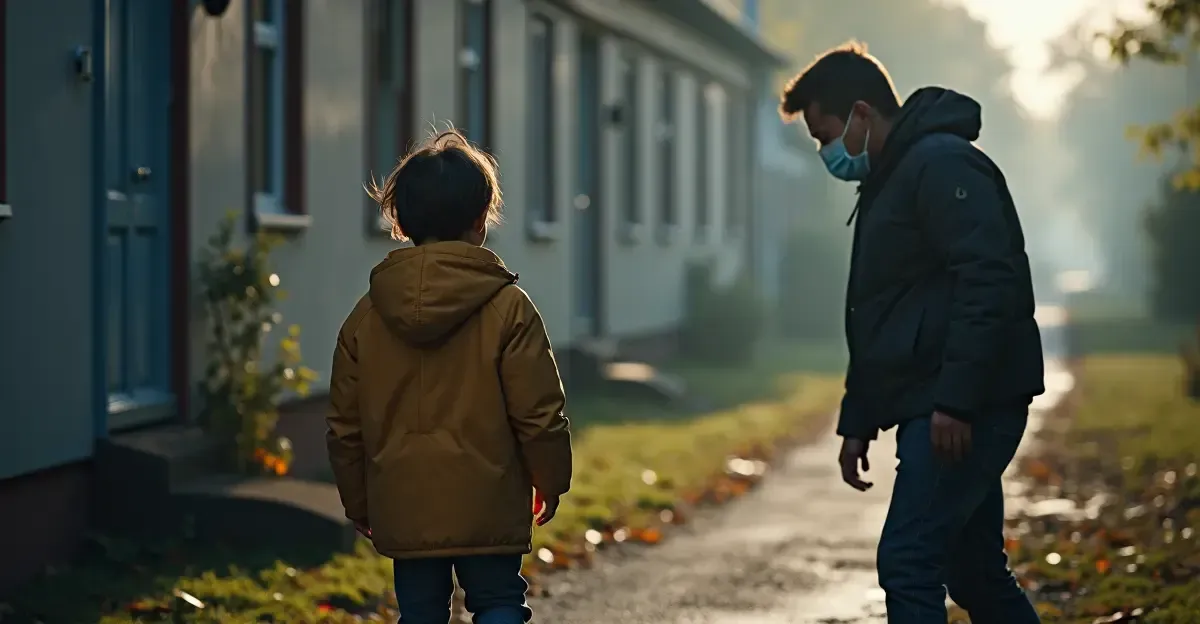
A Dutch father has been sentenced to 23 years in prison after his 14-year-old son died from untreated COVID-19 in Turnhout, Belgium. On 21 September 2026, the Antwerp Court of Assize convicted Rennlhy M. of murder, ruling that he let his son Jairon die rather than call a doctor because of his radical religious beliefs. The sentence was three years higher than the 20-year term prosecutors had requested.
What happened to Jairon in Turnhout?
Jairon lived with his father, two younger brothers and several other adults in a villa in Turnhout. His father belonged to a strict Pentecostal religious movement and believed that prayer, liquid food, paracetamol and rest would be enough for the boy to recover from corona. In late 2021, Jairon became seriously ill: he could barely eat or drink and grew increasingly weak. At one point the severely weakened teenager collapsed in the bathroom and hit his head hard, after which his eyes began to roll back. Still, no doctor was ever called.
Jairon died during the night of 3 to 4 January 2022. His death was kept secret from the outside world and even from his two brothers, who were not allowed to enter his bedroom. The adults in the villa reportedly hoped that God would bring the boy back to life. His body remained in the house for nearly eight weeks until Belgian police entered the property on 25 February 2022 and found his decomposed remains under a blanket. The villa itself was described as heavily contaminated. Similar religious medical neglect cases in Europe have raised questions about how such situations can go unnoticed for so long.
Why was the father convicted of murder?
The jury found that Rennlhy M. had made his son's life subordinate to his radical religious convictions. In the court's words, he caused irreparable suffering and, by hiding Jairon's body for almost two months, prevented the mother and brothers from saying a dignified farewell. The court also considered the father's antisocial, manipulative personality disorder a factor that increased the risk of reoffending, and he was taken into custody immediately after the verdict. Four other adults who lived in the villa received suspended prison sentences of between one and three years for their role in denying the teenager medical care.
The boy's mother told Belgian media she was satisfied with the outcome: The jury's common sense and the presiding judge's knowledge of the file ensured that justice was done. A weight has been lifted from our shoulders.
What role did ketamine play in the case?
Because Jairon's body was already too decomposed, the exact cause of death could not be determined. However, a later hair analysis found traces of ketamine, a strong anaesthetic, which experts said had been administered several times in the weeks before his death. Investigators examined who may have given the substance to the teenager, but the question of ketamine misuse investigations did not change the central finding: the father had withheld medical help when his son was dying. During the trial, six adults had faced accusations connected to the boy's death; the father was ultimately convicted of murder while the others received lesser, suspended sentences.
Impact and reaction
Jairon's mother had repeatedly gone to the villa after losing contact with her son, but she was turned away at the door each time. When she eventually called the school in Tilburg, she learned that the boy had been deregistered months earlier. She then alerted Belgian police, leading to the discovery of the body. The case has reignited debate about religious exemptions and child protection, with experts calling for stronger safeguards. Observers of Dutch child protection reform say the verdict sends a clear signal that parents cannot let faith override a child's right to urgent medical care.
FAQ
What was Jairon's cause of death?
Because the body was badly decomposed when found, the exact cause of death could not be determined. Traces of ketamine were later found in a hair sample, indicating the substance had been given multiple times in the weeks before he died.
How long was Jairon's body hidden?
Jairon died in the night of 3 to 4 January 2022, and his body was found on 25 February 2022 — nearly eight weeks later.
Why did the father refuse medical care?
The father belonged to a strict Pentecostal movement and believed that prayer, rest, liquid food and paracetamol would heal his son, so he never called a doctor.
What sentences did the other adults receive?
Four other adults who lived in the villa were given suspended prison sentences of one to three years.
Was the father's sentence higher than the prosecution requested?
Yes. Prosecutors had asked for 20 years, but the court imposed 23 years.




Follow Discussion