


 Deutsch
 English
 Español
 Français
 Nederlands
 Português


 Share
Share




Historic Exoneration After Seven Decades
In a landmark decision that highlights America's troubled history with racial injustice, Tommy Lee Walker has been posthumously declared innocent 70 years after his execution for a crime he didn't commit. The Dallas County Commissioners Court made the unprecedented declaration on January 21, 2026, acknowledging what Walker's family has known for generations: he was a victim of systemic racism and a deeply flawed justice system.
A Coerced Confession and Racial Bias
Walker was just 19 years old when he was arrested in 1954 for the rape and murder of Venice Parker, a 31-year-old white woman. Despite having a solid alibi - he was at the hospital witnessing the birth of his son at the time of the crime - Walker was coerced into a false confession through brutal interrogation tactics. 'He feared for his life,' said his son Edward Lee Smith, now 72. 'As a Black man in the Jim Crow South, he knew what could happen to him.'
The investigation revealed shocking details about the case. The lead investigator was a known member of the Ku Klux Klan, and police lied about having evidence against Walker. Ten witnesses provided him with an alibi, but their testimony was ignored by an all-white jury that convicted him in just hours. Walker was executed in the electric chair in May 1956, less than three years after his arrest.
Emotional Reckoning for Families
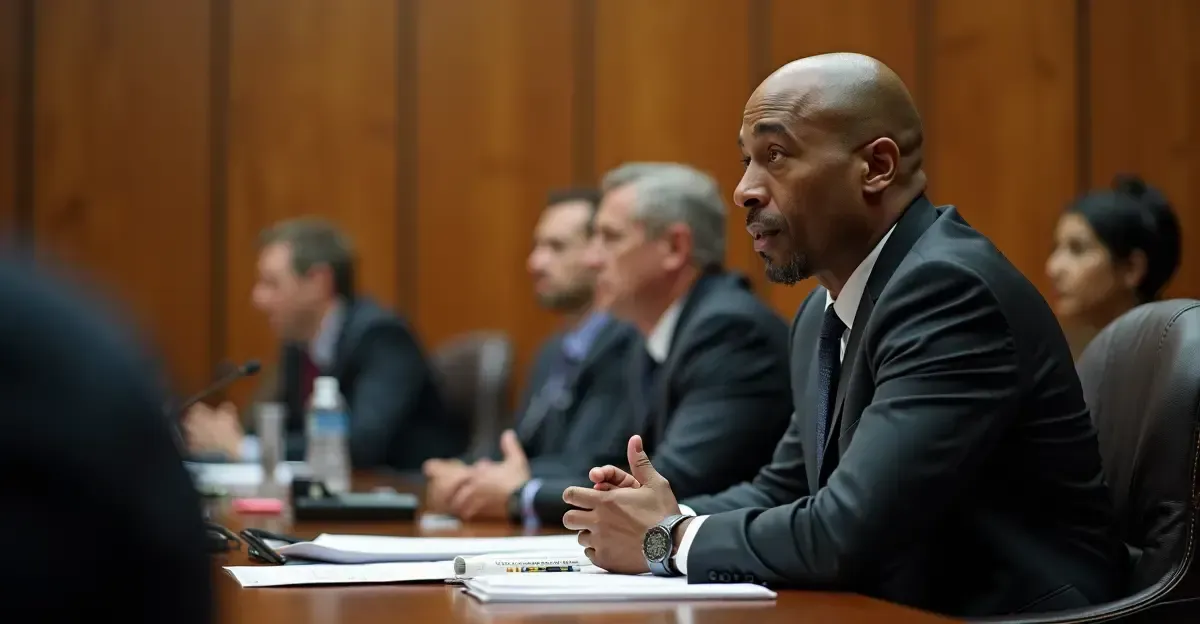
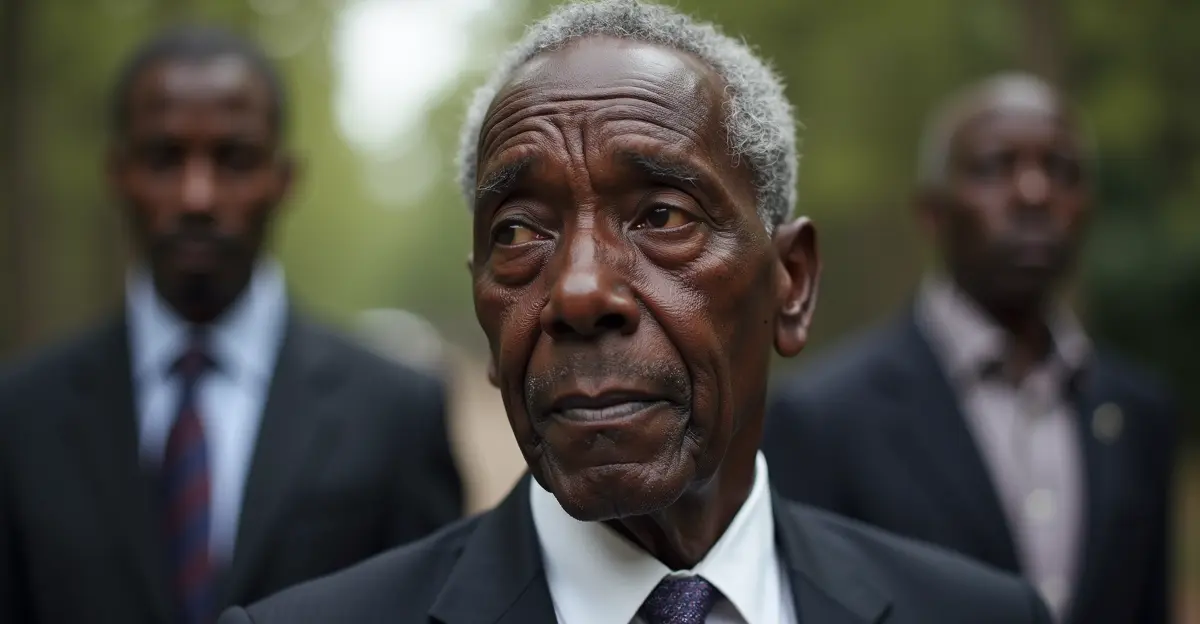
The exoneration brought together two families torn apart by the same tragedy. At the official declaration ceremony, Walker's son Edward Smith met Joseph Parker, son of the murder victim Venice Parker. In a poignant moment, the two men embraced and offered condolences to each other. 'It was difficult to grow up without a father,' Smith said. 'When other children talked about their fathers at school, I had nothing to say. I'm 72 years old and I still miss my daddy.'
Joseph Parker expressed his own perspective on the tragedy: 'We must try not to repeat the same mistake. That an innocent life was lost is unjust.' His support for Walker's exoneration demonstrates how wrongful convictions harm multiple families and communities.
Systemic Racism Persists
The Innocence Project, which helped secure Walker's exoneration, notes that the racial disparities in wrongful convictions continue today. According to their research, Black men are 7.5 times more likely to be wrongfully convicted of murder than white defendants, particularly when the victims are white. 'The American justice system still struggles with the same structural racism as then,' said a representative from the organization.
Statistics from the Death Penalty Information Center reveal that more than 75% of executed death row defendants were sentenced for killing white victims, despite African Americans comprising about half of all homicide victims. This racial bias in capital punishment continues to plague the justice system.
Legal Collaboration Leads to Justice
Walker's exoneration resulted from a collaborative effort between the Dallas County District Attorney's Conviction Integrity Unit, the Innocence Project, and Northeastern University's Civil Rights and Restorative Justice Project. This marks the first time a Texas commissioners court has issued such a posthumous proclamation of innocence.
The Innocence Project, founded in 1992, has helped exonerate over 250 people through DNA testing and other evidence review. Their work continues to expose flaws in the criminal justice system and advocate for reforms to prevent future wrongful convictions.
Walker's case serves as a stark reminder of how racial prejudice, coerced confessions, and prosecutorial misconduct can lead to catastrophic miscarriages of justice. While his name has finally been cleared, his story raises urgent questions about how many other innocent people may have been executed in America's history.




Follow Discussion