


 Deutsch
 English
 Español
 Français
 Nederlands
 Português


 Share





California Governor Gavin Newsom on Thursday commuted the death sentences of all 548 people on the state's death row, converting them to life in prison without the possibility of parole. The historic move—the largest mass clemency in modern U.S. history—comes as the Democrat prepares to leave office in January 2027 after two terms and weighs a potential 2028 presidential run.
Background: California's Long Death Penalty Moratorium
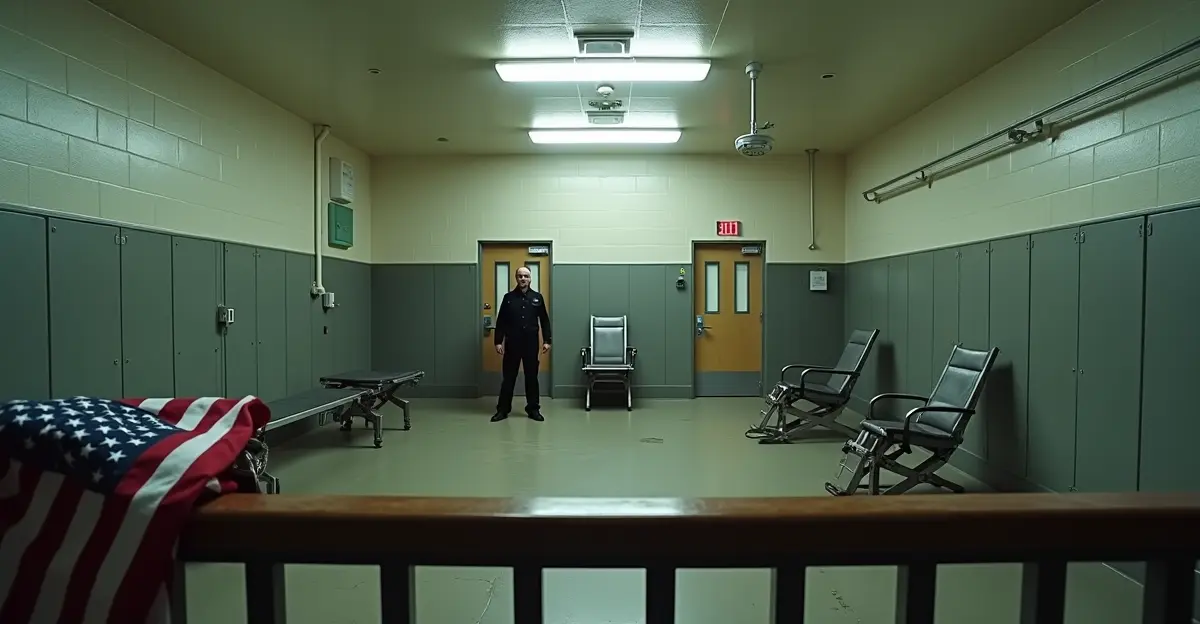
California has not executed anyone since 2006, when Republican Governor Arnold Schwarzenegger was in office. In 2019, Newsom imposed an execution moratorium and later dismantled San Quentin's execution chamber. Since voters reinstated capital punishment in 1978, only 13 inmates have been executed. Voters rejected ballot measures to abolish the death penalty in 2012 and 2016. The California death penalty history shows a system that is expensive and rarely used.
What Newsom's Commutation Decision Means
Newsom's order affects 529 men and 19 women. The governor cited his belief that executions “are incompatible with California's values, undermine the foundations of our justice system, and harm us as a society.” He said the condemned will “die in prison, but not by our hand.”
Legal Approval Still Required
Under the California Constitution, the governor cannot unilaterally commute sentences for anyone convicted of more than one serious felony. Roughly 60% of the cases—about 400 inmates—require approval from the California Supreme Court. The court could still overturn parts of the decision. Newsom can act alone on approximately 40% of cases.
The move follows the botched Tennessee execution of Christa Pike, which renewed national debate over lethal injection.
Reactions: ACLU Praises, Prosecutors Condemn
The American Civil Liberties Union applauded the decision. “These commutations reflect what justice requires: an end to a racist, error-prone and inhumane punishment that has burdened California for far too long,” the ACLU said in a statement.
Victims' rights advocates and some prosecutors condemned the move. Orange County District Attorney Todd Spitzer said it overrides jury verdicts and ignores victims' families. The Criminal Justice Legal Foundation plans legal challenges.
Newsom acknowledged the decision may resurface painful memories for victims' families. He called it one of the most difficult choices of his career.
Key Facts at a Glance
- 548 death sentences commuted to life without parole
- 529 men and 19 women affected
- Last California execution: 2006
- Only 13 executions since 1978
- About 60% of commutations require California Supreme Court approval
- Estimated savings: more than $200 million annually in appeal costs
Political and Financial Impact
The commutations could save California more than $200 million annually in capital appeals costs, according to estimates. The state's death row represented more than a quarter of the nation's condemned population. Clearing it for the first time since the late 19th century marks a major shift in US capital punishment trends.
The decision also comes as Newsom positions himself for a possible 2028 presidential bid. It may energize liberal Democratic voters but could hurt him in a general election where roughly two-thirds of Americans still favor the death penalty.
Frequently Asked Questions
How many death sentences did Gavin Newsom commute?
Newsom commuted 548 death sentences—529 men and 19 women—to life in prison without parole.
Does this end the death penalty in California?
No. The death penalty remains legal in California, and prosecutors can still seek it in future cases. Newsom did not repeal the law.
Why does the California Supreme Court need to approve some commutations?
Under the state constitution, the governor cannot commute sentences of inmates with multiple serious felony convictions without court approval. About 400 cases require review.
When was the last execution in California?
The last execution took place in 2006 under Governor Arnold Schwarzenegger. Since 1978, only 13 people have been executed in California.
What is life without parole?
Life without the possibility of parole means the inmate will remain in prison for the rest of their life and will not be eligible for release.




Follow Discussion