


 Deutsch
 English
 Español
 Français
 Nederlands
 Português


 Share





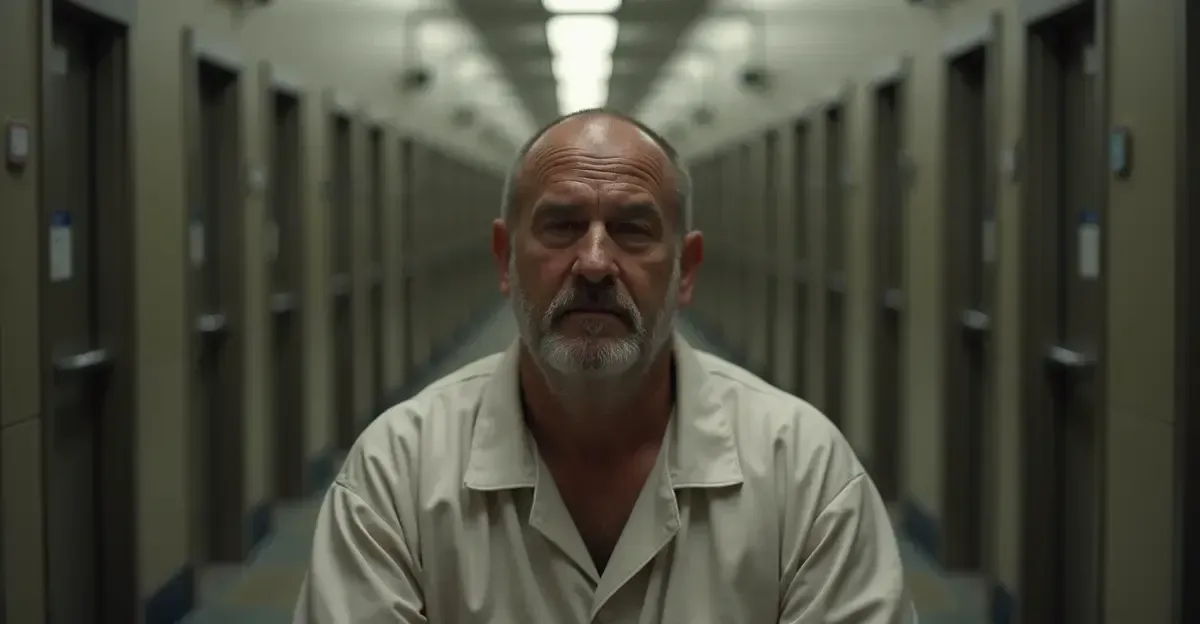
The Pentagon confirmed plans to livestream the firing-squad execution of Nidal Hasan, the former Army major who killed 13 people and wounded more than 30 at Fort Hood in 2009, marking what would be the first public execution in the United States since 1936. Defense Secretary Pete Hegseth said the Dec. 3 execution at Fort Hood, Texas will be broadcast so the public understands there are serious consequences. The announcement arrives as US executions surge under the Trump administration and after Tennessee's botched lethal injection of Christa Pike has renewed scrutiny of lethal injection protocols.
Why Is the Pentagon Livestreaming Hasan's Execution?
Hasan, an Army psychiatrist, was convicted in 2013 and sentenced to death by a military court for the deadliest mass shooting on a US military installation. President Trump approved the plan after Hegseth's recommendation. The execution would be the first military execution of a service member since 1961 and a rare modern use of a firing squad. Public executions are virtually unheard-of in recent US history; the last apparent one was in 1936. Legal experts warn that broadcasting the execution raises significant moral questions and turns the death penalty into a public spectacle. The decision revives debate over military death penalty procedures and public accountability in state killings. Survivor Alonzo Lunsford supports the execution but opposes uncensored broadcasting.
US Capital Punishment Surges Under Trump
US executions reached 47 in 2025, the highest annual total since 2009, and 28 have been carried out so far in 2026, according to the Death Penalty Information Center and media tallies. Florida leads with 15 executions this year, followed by Texas with six. The surge follows President Trump's day-one executive order directing the Justice Department to seek the death penalty in appropriate cases and help states obtain lethal-injection drugs. The order authorized more than 20 new federal capital prosecutions. Louisiana resumed executions after 15 years and joined Alabama in using nitrogen hypoxia execution, while South Carolina carried out the first firing-squad execution since 2010. The surge mirrors a broader federal death penalty expansion that has sparked international criticism.
Botched Lethal Injection of Christa Pike Highlights Flaws
On September 30, 2026, Tennessee attempted to execute Christa Pike, 50, for the 1995 torture-murder of 19-year-old Colleen Slemmer. Pike survived two doses of pentobarbital, remaining conscious and audibly snoring, and was hospitalized at risk of traumatic brain injury. The Death Penalty Information Center called it unprecedented — the first time an inmate remained alive after lethal drugs were administered in the US. Governor Bill Lee halted the state's remaining executions and ordered an independent review. The supervising doctor, Mark Fowler, also oversaw Tony Carruthers' failed injection in May, when staff struggled for over an hour to establish an IV. Pike's case is the latest in a series of failed lethal injections documented across Alabama, Arizona, Florida, Oklahoma and Texas. The botched attempt intensified calls for lethal injection protocol reform, and the UN human rights chief cited Pike's case in calling for abolition.
Impact and Implications
Lawmakers from both parties condemned the livestream plan. Senator Thom Tillis called it beyond disgusting, while Senator Chris Murphy said public executions are medieval. Archbishop Paul Coakley warned it could create a martyr and inspire more terrorism. Critics say the Pentagon's move, combined with Pike's botched injection, places the US death penalty debate under renewed global scrutiny. Legal experts caution that Hasan retains the right to appellate review in civilian federal courts, which could delay the execution indefinitely.
FAQ: Public Execution and US Death Penalty Surge
Is the US bringing back public executions?
The last US public execution was in 1936. The Pentagon's plan to livestream Nidal Hasan's firing-squad execution would be the first publicly broadcast federal or military execution since then, though the execution itself takes place at Fort Hood and is not a traditional public hanging.
When is Nidal Hasan scheduled to be executed?
December 3 at 1 p.m. Central Time at Fort Hood, Texas, by firing squad. He was sentenced to death in 2013 for the 2009 attack that killed 13 people.
What happened during Christa Pike's execution?
On September 30, 2026, Pike survived two doses of pentobarbital while remaining conscious and snoring; she was hospitalized and later returned to prison. It was the first known case of an inmate surviving an execution attempt in the US.
How many executions has the US carried out under Trump?
The US carried out 47 executions in 2025, the highest since 2009, and 28 so far in 2026. Florida leads with 15 in 2026, followed by Texas with six.
Why is the Pentagon livestreaming the execution?
Defense Secretary Pete Hegseth says the public should see that there are serious consequences for attacking US soldiers. Critics call it a public spectacle.
Future Outlook
Whether Hasan's execution proceeds on Dec. 3 remains uncertain, as his lawyers may seek stays in civilian courts. Meanwhile, Tennessee's independent review of Pike's botched lethal injection could reshape execution protocols. The convergence of a planned public execution and a surge in state killings leaves the direction of US capital punishment policy — and its global reputation — hanging in the balance.

Follow Discussion