


 Deutsch
 English
 Español
 Français
 Nederlands
 Português


 Share
Share




What is Chikungunya Virus?
Chikungunya is a mosquito-borne viral disease that causes severe joint pain and fever, with the name deriving from a Tanzanian word meaning 'to become contorted' due to the stooped posture of sufferers. This tropical disease, first identified in Tanzania in 1952, has traditionally been confined to tropical regions but is now emerging as a significant health threat across Europe due to climate change. The climate change health impacts are becoming increasingly evident as vector-borne diseases expand their geographic range.
Breaking Research: Europe's Vulnerability Exposed
A groundbreaking study published in February 2026 by the UK Centre for Ecology and Hydrology reveals shocking new findings about chikungunya's potential spread across Europe. The research, published in The Royal Society's Journal of the Royal Society Interface, analyzed data from 49 previous studies to determine that the virus can be transmitted at temperatures as low as 13-14°C, significantly lower than the previously estimated 16-18°C threshold.
'Our new estimates are downright shocking,' said lead researcher Sandeep Tegar. 'Europe is warming about twice as fast as the global average, and we've discovered the lower temperature limit for virus transmission is much lower than we thought.'
Key Findings from the 2026 Study
- Transmission possible for over 6 months annually in southern Europe (Spain, Portugal, Italy, Greece)
- 2-3 month transmission window in much of central Europe
- Even southeast England faces 2-month risk periods during summer
- 29 European countries now vulnerable to potential outbreaks
- Asian tiger mosquito populations established across southern Europe
The Asian Tiger Mosquito: Europe's New Disease Vector
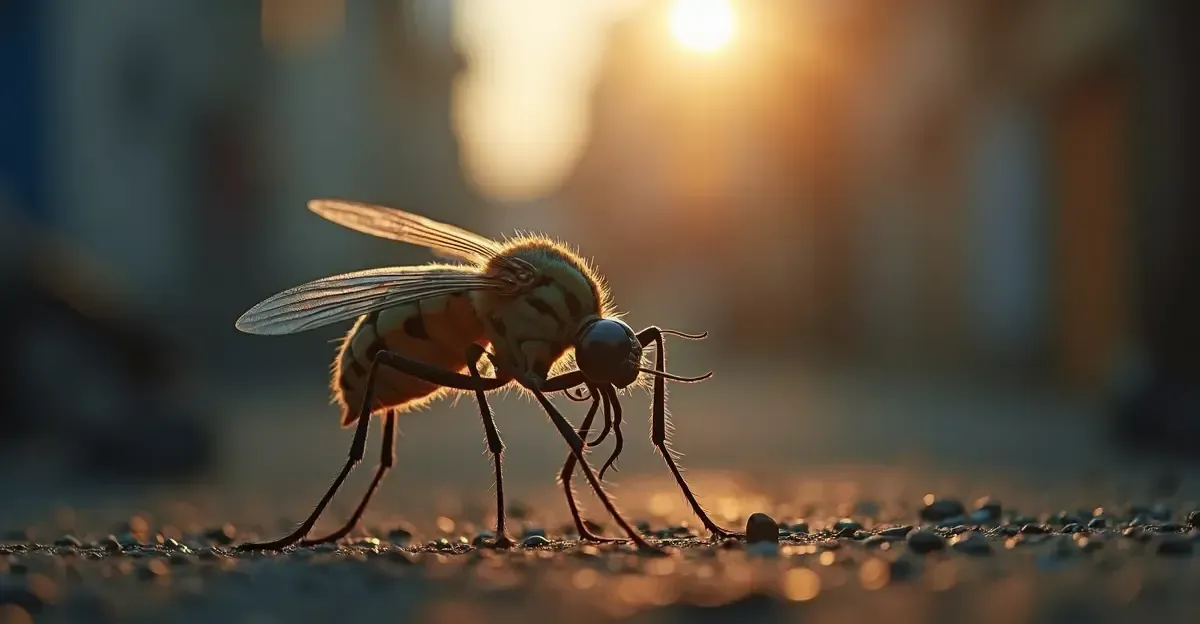
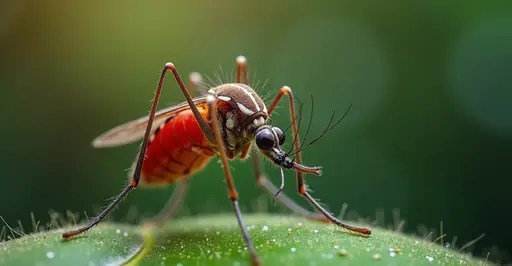
The Asian tiger mosquito (Aedes albopictus) is the primary vector responsible for chikungunya transmission in Europe. This invasive species has been spreading northward for decades, often transported via international trade in plants like lucky bamboo or used tires. In the Netherlands, the mosquito has been monitored since 2005, with the Dutch Food and Consumer Product Safety Authority (NVWA) actively combating its establishment.
Identification features include:
- Small size (2-10 mm)
- Black body with distinctive white dorsal stripe
- White-banded legs
- Aggressive daytime biting behavior
Chikungunya Symptoms and Health Impacts
Chikungunya infection typically begins 3-7 days after a mosquito bite and presents with:
- Sudden high fever (often above 39°C)
- Severe, debilitating joint pain
- Muscle pain and headache
- Rash (in 40-50% of cases)
- Fatigue and nausea
The most concerning aspect is the potential for long-term complications. According to Diana Rojas Alvarez of the World Health Organization, 'Up to 40% of patients still experience arthritis or severe pain five years after infection.' Young children and elderly individuals face the highest risk of severe outcomes, including potential fatalities.
Europe's Growing Outbreak History
The data shows a dramatic increase in European chikungunya cases:
| Country | Cases (2015-2024) | Cases (2025) | Increase |
|---|---|---|---|
| France | ~30 | 800+ | 2,567% |
| Italy | ~50 | Hundreds | Significant |
| Other European countries | Sporadic | Multiple outbreaks | Growing trend |
Most outbreaks begin when travelers import the virus from endemic regions like Réunion or the Caribbean, after which local mosquito populations initiate community transmission. The mosquito-borne disease prevention strategies that worked in the past are becoming less effective as climate conditions change.
Climate Change: The Driving Force
Europe's accelerated warming—approximately twice the global average—has created ideal conditions for tropical disease vectors. Key climate factors include:
- Warmer temperatures extending mosquito breeding seasons
- Milder winters failing to kill off mosquito populations
- Increased precipitation creating more breeding sites
- Urban heat islands providing microclimates for mosquitoes
Researcher Steven White notes, 'Twenty years ago, everyone would have called you crazy if you said chikungunya and dengue would appear in Europe. But everything has changed. This comes from that exotic mosquito combined with climate change—it's that simple.'
Prevention and Protection Strategies
While vaccines exist (including VIMKUNYA® and IXCHIQ®), they remain expensive and have usage restrictions. The most effective protection involves mosquito bite prevention:
- Use EPA-registered insect repellents containing DEET, picaridin, or oil of lemon eucalyptus
- Wear long-sleeved, light-colored clothing
- Install window and door screens
- Eliminate standing water around homes (flower pots, gutters, containers)
- Use air conditioning when possible
Public health authorities emphasize the importance of surveillance and early detection systems. The European health surveillance systems need strengthening to monitor and respond to emerging threats.
Future Outlook and Public Health Implications
The research indicates that without intervention, Europe could face:
- Larger, more frequent outbreaks
- Year-round transmission in southern Europe
- Expansion into northern European countries
- Increased healthcare costs and economic impacts
- Potential co-circulation with other mosquito-borne diseases like dengue
As White warns, 'It can hardly be otherwise than that we will see much larger outbreaks. From our data, it appears that natural winter interruption is disappearing.'
Frequently Asked Questions
What is chikungunya virus?
Chikungunya is a mosquito-borne viral disease causing severe joint pain, fever, and rash, with potential long-term arthritis complications.
How does climate change affect chikungunya spread?
Warmer temperatures allow Asian tiger mosquitoes to survive in new areas, extend breeding seasons, and enable virus transmission at lower temperatures than previously possible.
Which European countries are most at risk?
Southern European countries like Spain, Portugal, Italy, and Greece face the highest risk with potential transmission for over 6 months annually.
Is there a vaccine for chikungunya?
Yes, vaccines like VIMKUNYA® are available but remain expensive and have usage restrictions. Prevention through mosquito bite avoidance is currently the most practical approach.
How can I protect myself from chikungunya?
Use insect repellent, wear protective clothing, eliminate standing water around your home, and stay informed about local outbreak risks.



Follow Discussion