


 Deutsch
 English
 Español
 Français
 Nederlands
 Português


 Share
Share




Rising Dengue Cases Linked to Warming Climate
Health authorities are sounding the alarm as dengue fever cases surge globally, with climate change accelerating outbreaks in urban centers. The mosquito-borne disease has expanded beyond traditional tropical zones into regions previously considered low-risk, including parts of Europe and North America.
How Climate Fuels Transmission
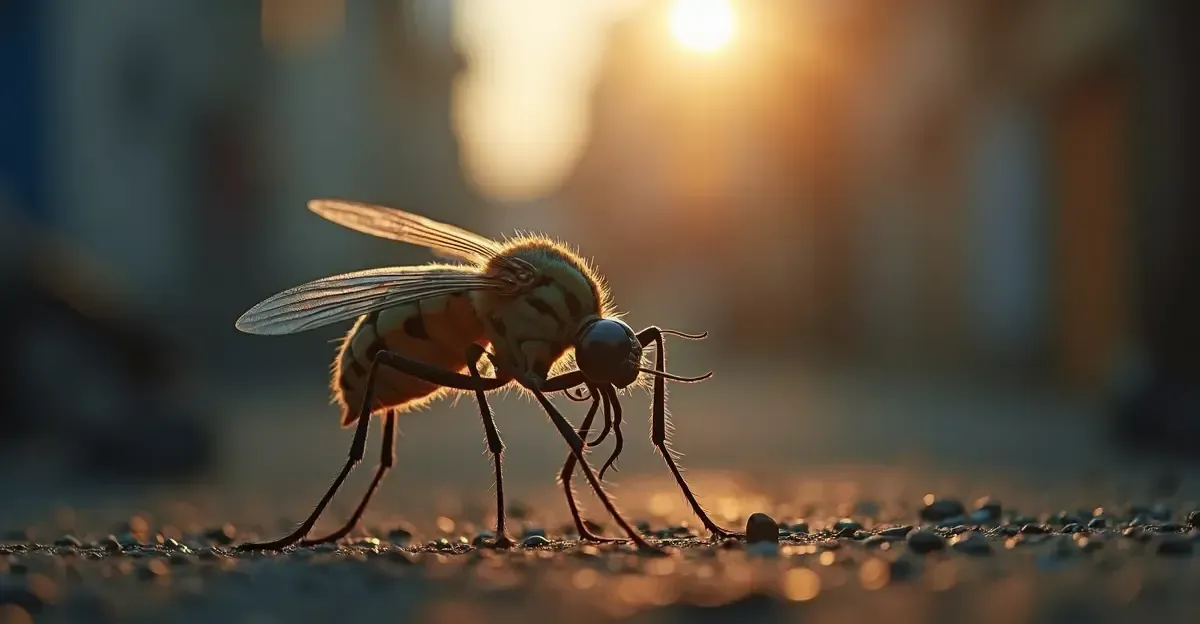
Warmer temperatures create ideal conditions for Aedes aegypti and Aedes albopictus mosquitoes to thrive. These vectors:
- Develop faster in higher temperatures
- Bite more frequently in warmer conditions
- See reduced virus incubation periods
Urban heat islands amplify these effects, with concrete landscapes retaining heat and creating microclimates that support mosquito breeding year-round.
Current Global Hotspots
Recent outbreaks have been particularly severe in:
- Southeast Asia (Thailand, Vietnam)
- South America (Brazil, Peru)
- Southern Europe (Italy, France)
The European Centre for Disease Prevention and Control reported Europe's largest dengue outbreak to date in 2024, with over 200 cases in Italy alone.
Prevention Challenges
Traditional control methods are becoming less effective as:
- Mosquitoes develop insecticide resistance
- Rainfall patterns create new breeding sites
- Urban infrastructure provides ideal habitats
Two vaccines - Dengvaxia and strong target="_blank" rel="noopener noreferrer">Qdenga - show promise but have limitations in deployment scope.
Future Projections
Studies indicate a 5-fold increase in dengue transmission risk by 2060 under high-emission climate scenarios. The Lancet Planetary Health reports the interval between mosquito establishment and first outbreaks has shrunk from 25 years to under 5 years since 1990.
Protection Measures
Health experts recommend:
- Eliminating standing water weekly
- Using EPA-approved repellents
- Installing window screens
- Wearing long sleeves during peak biting hours
Communities are adopting innovative approaches like strong target="_blank" rel="noopener noreferrer">Wolbachia-infected mosquitoes that reduce virus transmission capacity.




Follow Discussion