


 Deutsch
 English
 Español
 Français
 Nederlands
 Português


 Share
Share




Emerging Climate Disease Alert 2026: Complete Guide to Health, Policy & Market Impacts
In 2026, global health authorities are sounding an urgent alarm about emerging climate diseases as warming temperatures accelerate the spread of infectious pathogens to new regions. The World Health Organization's updated pathogen list and recent COP30 reports reveal that climate change is fundamentally reshaping disease landscapes, with profound implications for public health systems, economic markets, and vulnerable communities worldwide. This comprehensive analysis examines the climate change health risks creating new disease threats, the policy responses needed, and the market disruptions already unfolding.
What Are Emerging Climate Diseases?
Emerging climate diseases refer to infectious pathogens spreading to new geographic regions or populations due to climate change impacts. These include vector-borne diseases like dengue, chikungunya, and West Nile virus expanding into temperate zones, waterborne illnesses proliferating after extreme weather events, and novel pathogens emerging from disrupted ecosystems. The WHO's July 2024 updated pathogen list introduced a family-focused strategy, recognizing that climate change enables entire pathogen families to spread rather than just individual diseases. "Climate change is no longer a future threat to health—it's actively reshaping disease patterns today," states Dr. Maria Chen, lead author of the COP30 climate-health report.
The Science Behind Climate-Driven Disease Spread
Temperature and Vector Expansion
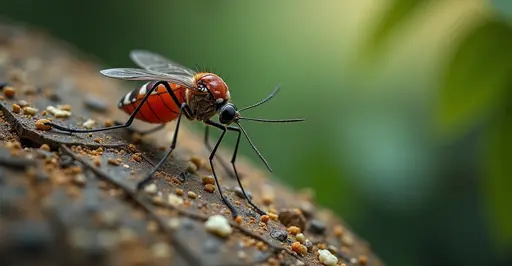
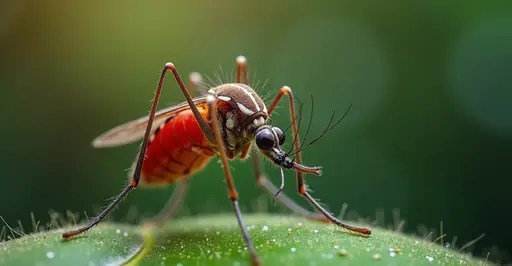
Rising global temperatures create ideal conditions for disease vectors like mosquitoes, ticks, and midges to thrive in previously inhospitable regions. Mosquito species that transmit dengue and chikungunya are now establishing populations in southern Europe and higher elevations in Africa and South America. According to the WHO climate change fact sheet, between 2030 and 2050, climate change is projected to cause approximately 250,000 additional deaths annually from malaria, diarrhea, heat stress, and undernutrition alone.
Extreme Weather and Disease Outbreaks
Floods, droughts, and storms disrupt sanitation systems, contaminate water supplies, and force population displacements that create ideal conditions for disease transmission. The 2025 hurricane season saw cholera outbreaks in coastal communities where flooding overwhelmed water treatment facilities. "Every extreme weather event now carries a secondary disease threat that can persist for months after the initial disaster," explains public health researcher Dr. James Wilson.
Policy Implications and Government Responses
Enhanced Surveillance Systems
Governments are implementing next-generation disease surveillance combining genomic tracking, climate modeling, and AI-powered early warning systems. The WHO's Preparedness and Resilience for Emerging Threats (PRET) Initiative emphasizes incorporating tools developed during COVID-19 for shared learning and collective action. Regional cooperation frameworks are expanding across Africa, Asia, and the Americas to monitor cross-border disease movements.
Climate-Informed Health Infrastructure
Health systems are being redesigned with climate resilience as a core principle. This includes heat-resistant medication storage, flood-protected healthcare facilities, and mobile clinics for displaced populations. The Harvard Medical School Global Health Research Core is building an international network connecting researchers with community organizations in over a dozen countries to develop locally-appropriate solutions.
Market Impacts and Economic Consequences
Insurance Industry Transformation
The global insurance sector is undergoing fundamental changes as climate disease risks escalate. In the first half of 2025, economic losses from natural catastrophes reached $162 billion, with insured losses hitting a record $100 billion. While the insurance protection gap dropped to a record low of 38%, this progress is uneven globally. Insurers are shifting from merely transferring risk to actively managing climate threats through advanced analytics and public-private partnerships.
Agricultural Sector Volatility
Climate diseases are creating new challenges for global agriculture. The 2026 agriculture forecast predicts continued volatility with nine key predictions, including the need for supply chain realignment and technology adoption. Vector-borne diseases affecting livestock and crop pathogens spreading to new regions threaten food security and commodity markets. "Every agricultural region now needs climate-disease resilience plans," notes agribusiness analyst Sarah Johnson.
Healthcare Economics
The direct health damage costs from climate change are estimated at $2-4 billion annually by 2030, according to WHO data. These costs include treatment for new disease cases, expanded vaccination programs, and infrastructure upgrades. The economic burden falls disproportionately on low-income countries that contribute least to emissions but face the greatest health impacts.
Community-Level Impacts and Vulnerable Populations
Climate justice concerns are central to the emerging disease crisis, with 3.6 billion people already living in highly climate-vulnerable areas. Informal economy workers, agricultural laborers, and coastal communities face particular risks. Successful community interventions include the Harvard partnership with India's Self-Employed Women's Association using heat sensors to measure workplace temperatures, and collaborations with Guatemala's Maya Health Alliance addressing heat-related illnesses among farm workers.
Practical community solutions being implemented include:
- Reflective roof coverings to reduce indoor temperatures
- Adjusted work hours during extreme heat periods
- Mutual insurance programs for climate-related health costs
- Community health worker networks for early detection
- Public Wi-Fi and digital health training to address technology gaps
Four-Domain Disaster Economics Framework
A 2026 Environmental Development article introduces the Four-Domain Disaster Economics Framework (FDDEF) to analyze climate disease impacts across physical, human, market, and institutional domains. This approach reveals how conventional economic models underestimate cumulative effects by treating climate events as exogenous shocks rather than systemic risks. Adaptation measures like resilient infrastructure can offset up to 30% of recovery costs, but current models fail to capture these benefits adequately.
Future Outlook and Critical Actions Needed
Without accelerated action, climate migration could displace up to 113 million people in Africa by 2050, straining health systems and increasing outbreak risks. The climate crisis threatens to undo 50 years of global health progress and widen health inequalities, jeopardizing universal health coverage. Urgent measures needed include:
- Limiting global temperature rise to 1.5°C to prevent catastrophic health impacts
- Integrating climate considerations into all health policy decisions
- Building equitable early warning systems accessible to all communities
- Investing in climate-resilient health infrastructure
- Developing new vaccines and treatments for climate-spread diseases
FAQ: Emerging Climate Disease Alert 2026
What diseases are spreading due to climate change?
Dengue, chikungunya, West Nile virus, malaria in new regions, waterborne diseases after floods, and novel pathogens from disrupted ecosystems are all expanding due to climate impacts.
How does climate change spread diseases?
Warmer temperatures allow disease vectors to survive in new areas, extreme weather disrupts sanitation systems, and climate migration forces people into crowded conditions with poor healthcare access.
What are the economic costs of climate diseases?
Direct health costs are estimated at $2-4 billion annually by 2030, with total economic impacts much higher due to lost productivity, insurance claims, and infrastructure damage.
Which communities are most vulnerable?
Low-income countries, coastal populations, agricultural workers, informal economy laborers, and communities with limited healthcare access face the greatest risks despite contributing least to emissions.
What can individuals do to protect themselves?
Stay informed about local disease risks, eliminate standing water where mosquitoes breed, support community health initiatives, and advocate for climate-resilient health policies.
How are insurance markets responding?
Insurers are developing advanced climate models, creating new products for climate health risks, and working with governments to build more resilient communities through public-private partnerships.




Follow Discussion