


 Deutsch
 English
 Español
 Français
 Nederlands
 Português


 Share
Share




Deadly Virus Strikes MV Hondius in the Atlantic
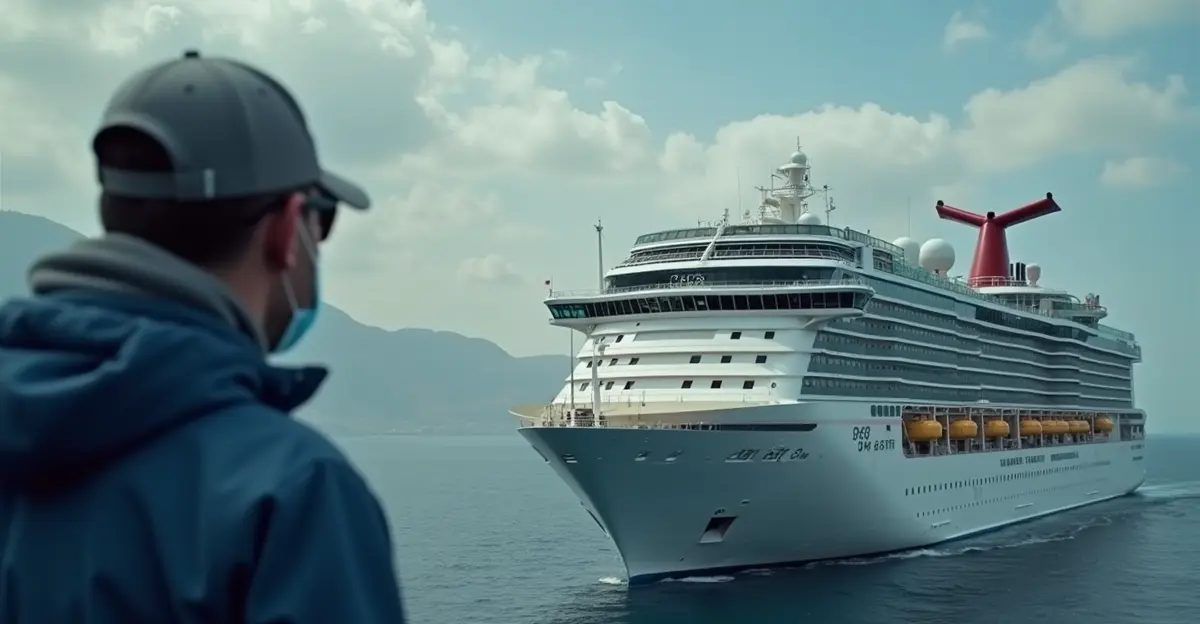
A suspected hantavirus outbreak aboard the Dutch-flagged expedition cruise ship MV Hondius has claimed at least three lives and left several others seriously ill, the World Health Organization (WHO) confirmed on May 3, 2026. The vessel, operated by Oceanwide Expeditions, was on a 46-day voyage from Ushuaia, Argentina, to Cape Verde when the rare rodent-borne virus struck passengers and crew. Among the deceased are two Dutch nationals—a 70-year-old man and a 69-year-old woman—and a third individual whose identity has not been disclosed. A 69-year-old British passenger remains in intensive care in Johannesburg, South Africa, while two crew members with severe symptoms are still aboard awaiting medical evacuation.
What Is Hantavirus?
Hantaviruses are a family of RNA viruses primarily carried by rodents such as mice and rats. Humans typically become infected by inhaling aerosolized particles from rodent urine, droppings, or saliva, or through direct contact such as bites. The virus causes two distinct syndromes: hemorrhagic fever with renal syndrome (HFRS), more common in Europe and Asia, and hantavirus pulmonary syndrome (HPS), predominantly found in the Americas. HPS has a case fatality rate of 30–60%, while HFRS ranges from less than 1% to 15% depending on the strain. Symptoms begin with fever, fatigue, and muscle aches, progressing rapidly to severe respiratory distress or kidney failure. There is no specific vaccine or antiviral treatment; care is supportive, often requiring intensive care and mechanical ventilation.
The hantavirus cruise ship outbreak has drawn global attention due to the confined environment of a vessel, which can facilitate transmission. While human-to-human spread is rare, the WHO has noted that certain strains, such as the Andes virus found in South America, can be transmitted between people.
Timeline of the Outbreak
The MV Hondius departed Ushuaia on March 20, 2026, for a round-trip expedition that included stops in Antarctica and the remote British island of Saint Helena. According to the WHO, the first fatality—a 70-year-old Dutch man—died aboard the ship and his body was offloaded at Saint Helena. His 69-year-old wife was evacuated to a hospital in Johannesburg, where she later died. A third passenger also succumbed to the illness. In total, six individuals have shown symptoms consistent with hantavirus infection. Only one case, that of the British man in ICU, has been laboratory-confirmed as hantavirus. The remaining five are considered suspected cases based on clinical presentation and exposure history.
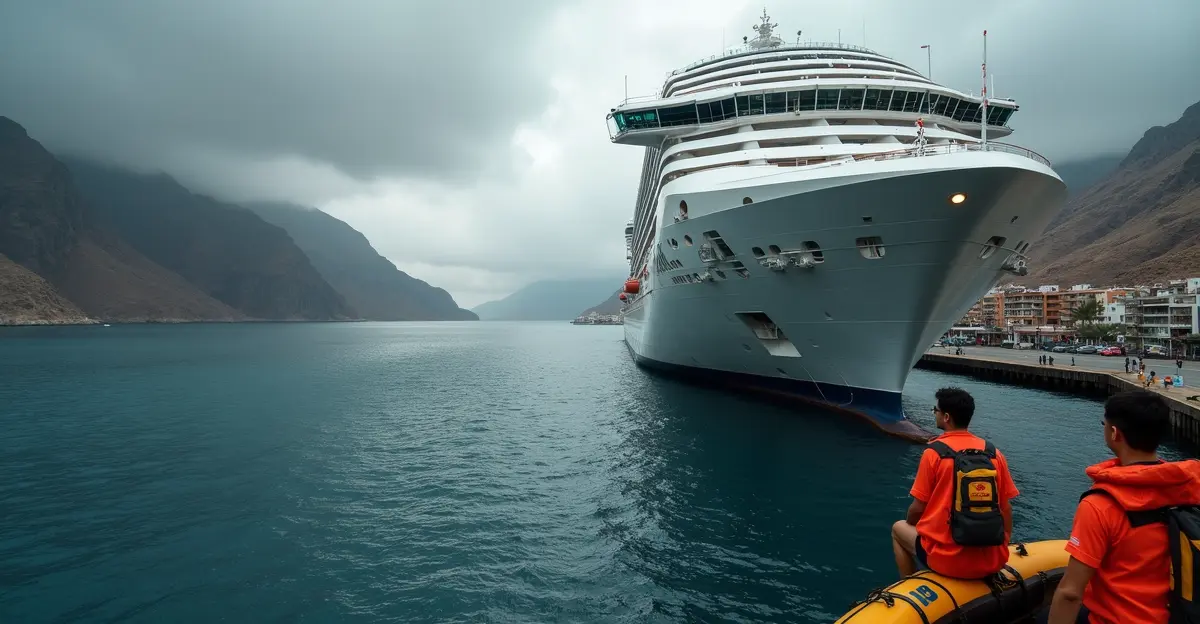
The ship, carrying 170 passengers, 58 crew, and 13 guides, anchored off Praia, the capital of Cape Verde, where local health authorities boarded to assess the situation. However, Cape Verde denied permission for the two sick crew members to disembark, citing public health concerns. The Dutch government has pledged to facilitate their medical evacuation to the Netherlands.
Response and Investigation
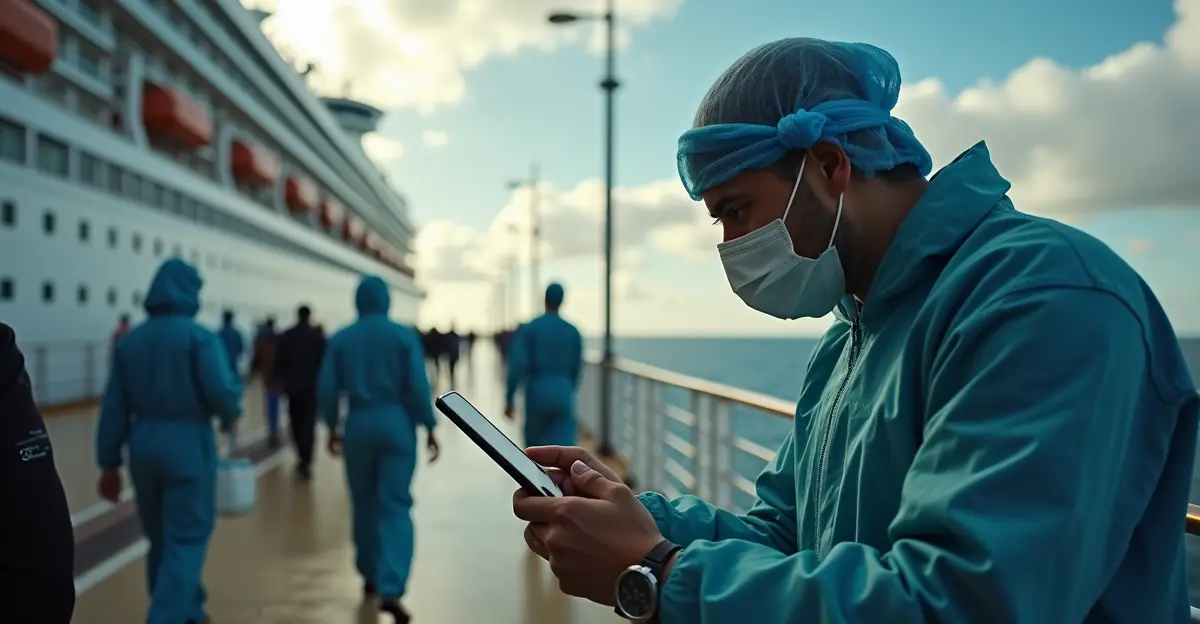
The WHO has activated its outbreak response framework, coordinating with Oceanwide Expeditions, the Dutch Ministry of Foreign Affairs, and health authorities in Cape Verde, South Africa, and the United Kingdom. Passengers have been instructed to remain in their cabins and minimize contact with others. A risk assessment is underway, and medical screenings are being conducted for all individuals on board. The WHO's hantavirus outbreak toolbox, updated in May 2026, provides case definitions and laboratory confirmation protocols, including RT-PCR testing and serology for hantavirus-specific IgM/IgG antibodies.
Oceanwide Expeditions released a statement expressing condolences and emphasizing that the company is "managing a serious medical situation" with the highest priority on passenger and crew safety. The vessel, built in 2019, is the world's first Polar Class 6 ice-strengthened ship, designed for polar expeditions. The Antarctic cruise safety measures are now under scrutiny as authorities investigate how the virus entered the ship's environment.
How Does Hantavirus Spread?
Hantavirus is not typically transmitted from person to person. Most infections occur when people disturb rodent nests or droppings in enclosed spaces, releasing virus-laden dust into the air. On a ship like the Hondius, which had visited remote areas including Antarctica and South America, rodents could have boarded with supplies or during port calls. The WHO notes that environmental factors such as rainfall and temperature influence rodent populations and virus transmission. The CDC recommends avoiding contact with rodents, using N95 respirators and gloves during clean-up, and never sweeping or vacuuming droppings, which can aerosolize the virus.
Experts in cruise ship disease outbreaks point out that the close quarters and shared ventilation systems on vessels can amplify the spread of respiratory pathogens, though hantavirus remains rare in such settings.
Global Implications
The outbreak has raised concerns about the preparedness of expedition cruise operators for rare infectious diseases. Unlike large ocean liners, expedition ships like the Hondius often visit remote, medically underserved regions, making emergency evacuations challenging. The incident also highlights the importance of rodent control on vessels, especially those operating in polar and sub-Antarctic regions where wildlife interactions are common. The Dutch government is coordinating with international partners to ensure the safe repatriation of affected individuals and to prevent further spread.
Frequently Asked Questions
Can hantavirus be cured?
There is no specific cure or vaccine for hantavirus. Treatment is supportive and may include oxygen therapy, mechanical ventilation, and kidney dialysis depending on the syndrome. Early recognition and intensive care improve outcomes.
Is hantavirus contagious between humans?
Most hantaviruses are not transmitted from person to person. However, the Andes virus (found in Chile and Argentina) has been documented to spread through close contact. The WHO is monitoring for any signs of human-to-human transmission in this outbreak.
How long does hantavirus survive in the environment?
Hantavirus can survive for several days in dried rodent droppings and urine, especially in cool, dry conditions. Proper cleaning with disinfectants (e.g., bleach solutions) and avoiding aerosolization are critical for prevention.
What should I do if I think I've been exposed?
If you develop fever, muscle aches, fatigue, or difficulty breathing within 1–5 weeks of potential exposure, seek medical attention immediately. Inform your healthcare provider about possible rodent contact. Early diagnosis can improve survival.
Are cruise ships safe from hantavirus?
Hantavirus outbreaks on cruise ships are extremely rare. The MV Hondius outbreak is one of the first documented cases of hantavirus on a passenger vessel. Cruise operators follow strict sanitation and pest control protocols, but the remote nature of expedition voyages presents unique challenges.


Follow Discussion