


 Deutsch
 English
 Español
 Français
 Nederlands
 Português


 Share
Share




What is the European Jet Fuel Crisis?
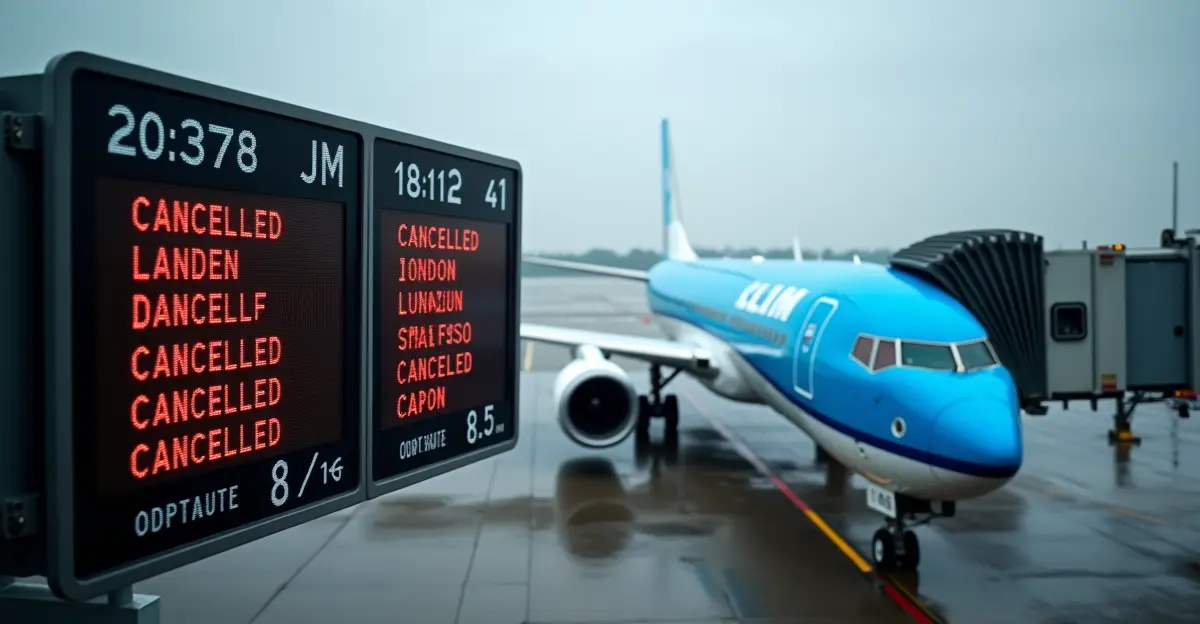
European airports are facing an imminent jet fuel shortage crisis that could materialize within three weeks, according to warnings from the Airports Council International Europe (ACI Europe). The industry association has alerted European Commission Transport Commissioner Apostolos Tzitzikostas that systemic shortages of aviation fuel could become reality if the Strait of Hormuz shipping route isn't fully reopened within the next 21 days. This potential disruption threatens to impact summer travel across Europe, with airlines already implementing contingency measures including flight cancellations and capacity reductions.
Background: The Strait of Hormuz Crisis
The current jet fuel shortage stems from geopolitical tensions in the Middle East that have effectively closed the Strait of Hormuz, a critical global oil transit route. The Strait of Hormuz is a narrow waterway between the Persian Gulf and the Gulf of Oman that handles approximately 40% of the world's jet fuel supply and 20% of global oil trade. Since military activities disrupted traffic through this strategic chokepoint, around 170 million barrels of oil have been blocked in the Persian Gulf, creating severe supply chain disruptions for European aviation.
Similar to the 2025 global energy crisis, this situation highlights Europe's vulnerability to Middle East geopolitical instability. The closure has been particularly damaging because Europe typically sources over 60% of its jet fuel from Gulf refineries, with more than 40% shipped through the Strait of Hormuz. This dependency creates significant exposure when the region experiences conflict or shipping disruptions.
Immediate Impact on European Aviation
Price Increases and Supply Constraints
Jet fuel prices have more than doubled since the conflict began, with current prices reaching approximately $1,573 per tonne compared to pre-conflict levels of around $750 per tonne. This represents a 138% year-on-year increase that has already forced airlines to raise ticket prices and implement operational changes. According to Joris Melkert, aviation expert at TU Delft, 'This lies in line with expectations. First, the price of kerosene has doubled, causing ticket prices to rise significantly. Additionally, we will see scarcity emerging here and there.'
Airline Responses and Flight Cancellations
European airlines are already responding to the crisis with several measures:
- Ryanair is considering cutting 10% of its summer flights
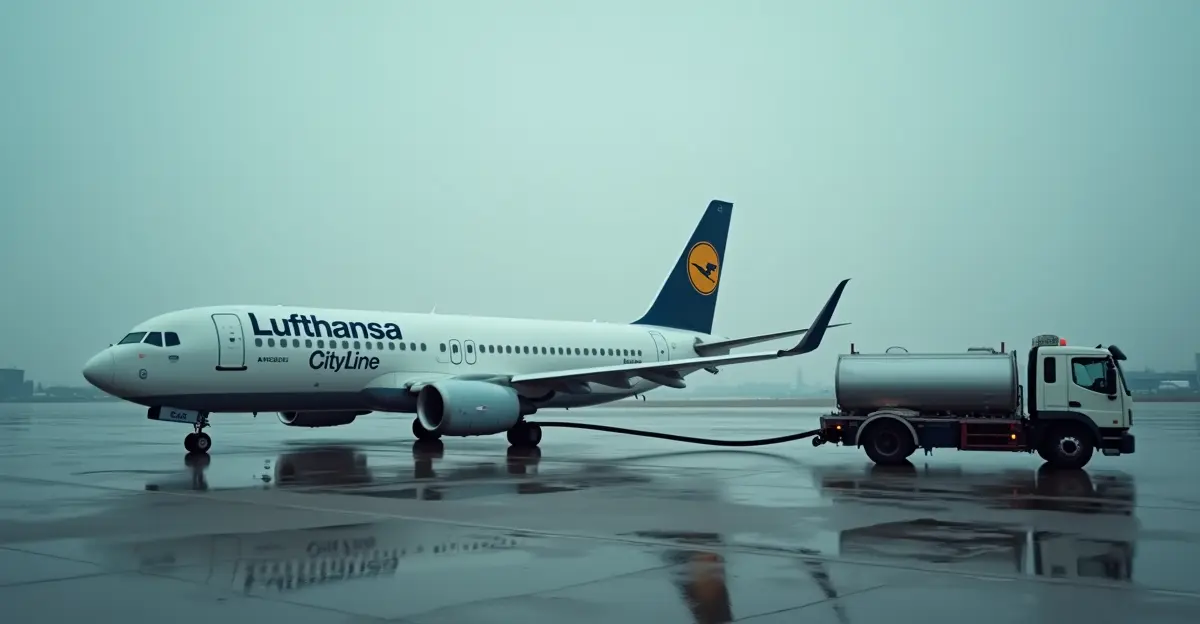
- Lufthansa has formed emergency response teams and is grounding some aircraft
- Smaller carriers have begun canceling routes to Middle Eastern destinations
- Airlines are carrying extra fuel for both outbound and return journeys, increasing costs and emissions
The situation has created particular challenges for airlines with weak fuel hedging positions. While European carriers entered the crisis with strong hedging positions averaging 80% coverage, some airlines like SAS (0% hedged) and AirBaltic (6% hedged) face severe financial headwinds. This disparity in preparedness mirrors challenges seen during the 2024 aviation industry recovery following previous disruptions.
Regional Variations and Dutch Resilience
Not all European countries face equal risk from the jet fuel shortage. According to Melkert, the Netherlands may experience relatively milder impacts because of its domestic refining capacity. 'The consequences at Dutch airports will be relatively mild because there are refineries in Rotterdam and Zeeland. They don't get most of their crude oil from the Gulf region.' This contrasts with other regions that depend more heavily on Middle Eastern supplies.
However, other parts of Europe face more immediate challenges. Four Italian airports implemented kerosene restrictions last weekend following disruptions at a major supplier, though these weren't directly linked to the Strait of Hormuz situation. Asian countries like Vietnam have already begun rationing fuel due to shortages, indicating the global nature of this crisis.
Long-Term Implications and Recovery Timeline
Even if the Strait of Hormuz reopens soon, experts warn that recovery will take months to years. Melkert notes that 'It will take months to years until recovery is complete' due to both the lack of new supply from the Gulf region and damage to refineries that were targeted during the conflict. This extended recovery period suggests that European aviation will face ongoing challenges similar to those experienced during the post-pandemic travel disruptions.
The ACI Europe has requested the European Commission to consider extraordinary measures including EU-wide collective purchases of aviation fuel and mandatory refinery obligations to prioritize jet fuel production. These measures would represent significant government intervention in energy markets but may be necessary to prevent widespread travel disruptions during the peak summer season.
Frequently Asked Questions
How long will the jet fuel shortage last?
Even with a ceasefire agreement, industry experts estimate recovery could take months to years due to damaged infrastructure and supply chain disruptions. The immediate crisis could materialize within three weeks if the Strait of Hormuz doesn't reopen.
Which airlines are most affected?
Airlines with weak fuel hedging positions like SAS (0% hedged), AirBaltic (6% hedged), and Norwegian Air (45% hedged) face the greatest financial pressure. Larger carriers with stronger hedging like Ryanair (84% hedged) have more protection.
Will all European airports be equally affected?
No. Countries with domestic refining capacity like the Netherlands may experience milder impacts, while regions more dependent on Middle Eastern supplies face greater risks.
What can travelers expect this summer?
Travelers should anticipate higher ticket prices, potential flight cancellations, and possible route changes as airlines adjust to fuel constraints.
What measures are being taken to address the shortage?
The ACI Europe has requested EU intervention including collective fuel purchases and refinery obligations. Airlines are implementing capacity reductions and operational adjustments.



Follow Discussion