


 Deutsch
 English
 Español
 Français
 Nederlands
 Português


 Share
Share




The Resurgence of Nationalized Airlines
In recent years, several countries have taken steps to buy back controlling stakes in their struggling airlines, marking a potential shift away from privatization. This trend, often referred to as renationalization, raises questions about the future of the aviation industry and the role of governments in ensuring its stability.
Why Are Airlines Being Renationalized?
Nationalization of airlines is not a new phenomenon. Historically, governments have stepped in to rescue failing carriers to protect jobs, maintain critical infrastructure, and ensure connectivity. The recent wave of renationalization, however, comes amid unprecedented challenges for the aviation sector, including the COVID-19 pandemic, rising fuel costs, and economic instability.
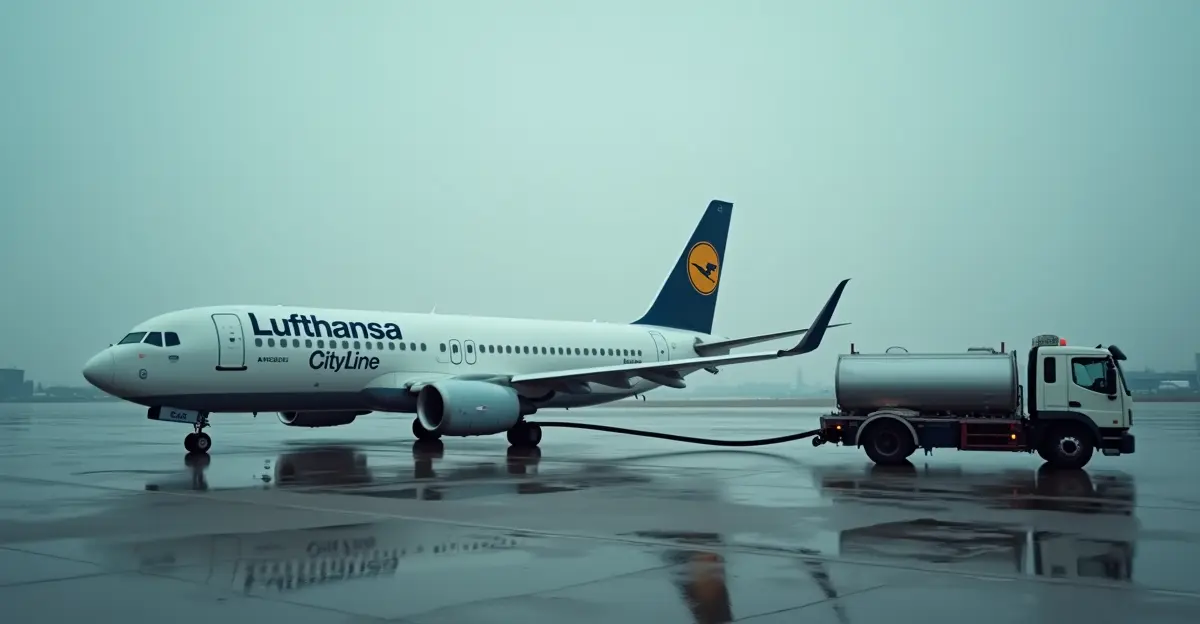
Countries like Germany, Italy, and France have already moved to take greater control of their national carriers. For example, the German government acquired a 20% stake in Lufthansa during the pandemic to prevent its collapse. Similarly, Italy fully nationalized Alitalia before relaunching it as ITA Airways.
Implications for the Aviation Industry
The return to nationalization could have far-reaching consequences. On one hand, state ownership may provide airlines with the financial stability and long-term planning needed to weather crises. On the other hand, critics argue that nationalized airlines may lack the efficiency and innovation driven by private competition.
Moreover, this trend could reshape global aviation markets, with state-backed carriers potentially gaining an unfair advantage over privately owned competitors. The International Air Transport Association (IATA) has warned that such moves could distort competition and lead to trade disputes.
Looking Ahead
As more countries consider renationalizing their airlines, the debate over the balance between public and private ownership in aviation is likely to intensify. While nationalization may offer short-term relief, its long-term impact on the industry remains uncertain.



Follow Discussion