


 Deutsch
 English
 Español
 Français
 Nederlands
 Português


 Share
Share




Lufthansa Cancels 20,000 Flights: Complete Guide to Aviation Fuel Crisis 2026
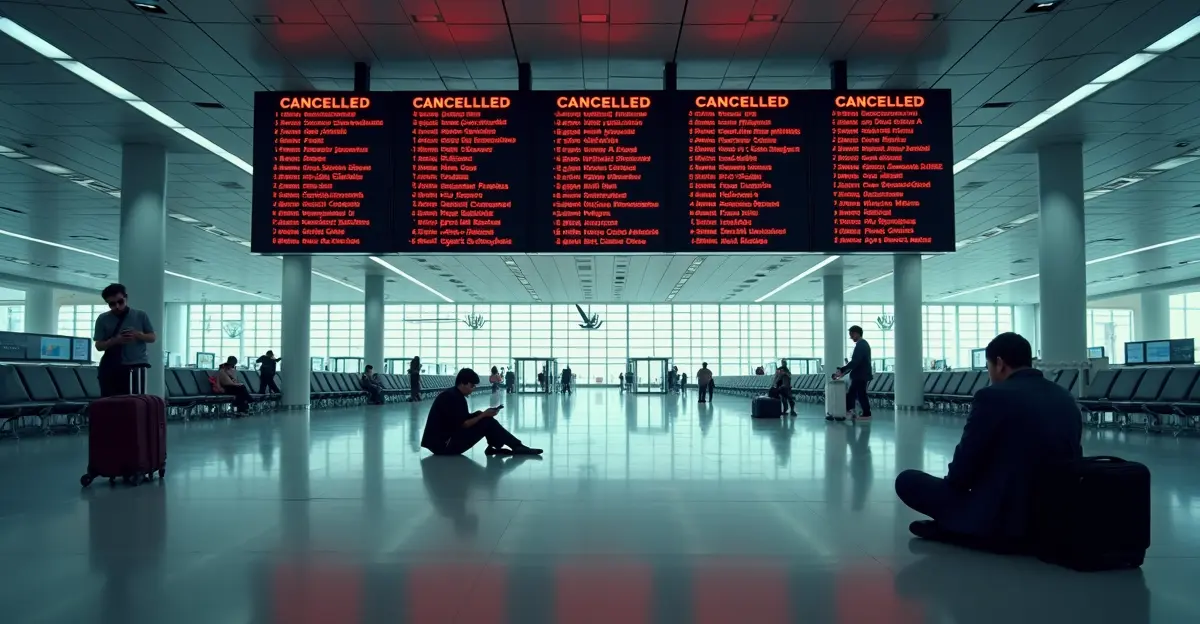
Lufthansa, Europe's second-largest airline group, has announced the cancellation of 20,000 short-haul flights through October 2026 in response to a severe aviation fuel crisis that has seen jet fuel prices double since the outbreak of the Middle East conflict. This unprecedented move by the German flag carrier represents one of the largest operational reductions in modern aviation history and signals a broader industry crisis affecting airlines worldwide.
What is the Aviation Fuel Crisis?
The current aviation fuel crisis stems from the escalating conflict in the Middle East, particularly the near-closure of the Strait of Hormuz, which has disrupted 75% of Europe's jet fuel supply. Since February 28, 2026, when tensions erupted into open conflict, jet fuel prices have skyrocketed from $85-90 per barrel to $150-200 per barrel. The International Energy Agency (IEA) warns that Europe has less than six weeks of jet fuel reserves remaining, creating an urgent supply crisis that threatens summer travel across the continent.
Lufthansa's Drastic Measures Explained
Lufthansa's decision to cancel 20,000 flights represents approximately 40,000 metric tons of kerosene savings through October. The airline has already implemented the first phase of cancellations, removing 120 daily European flights operated by its subsidiary CityLine from schedules. The company has accelerated its previously planned 2028 closure of CityLine, permanently grounding all 27 aircraft in the subsidiary's fleet immediately.
Immediate Impact on Routes
The cancellations primarily affect short-haul European routes, with Frankfurt to Bydgoszcz and Rzeszów (Poland) and Stavanger (Noorwegen) routes temporarily suspended. However, Lufthansa is expanding connections from its other hubs in Zürich, Wenen, Brussel and Rome to maintain access to its global network, particularly long-haul flights. "We must take these difficult decisions to ensure the long-term viability of our operations," said a Lufthansa spokesperson.
Labor Disputes Compound Crisis
The fuel crisis coincides with ongoing labor disputes at Lufthansa, with pilots and cabin crew staging multiple strikes in recent weeks demanding better pension arrangements, new collective agreements, and social plans for CityLine employees. These overlapping challenges have created what industry analysts call a perfect storm for European aviation.
Global Aviation Industry Response
Lufthansa is not alone in implementing drastic measures. Airlines worldwide are responding to the fuel crisis with similar strategies:
| Airline | Measures Taken | Impact |
|---|---|---|
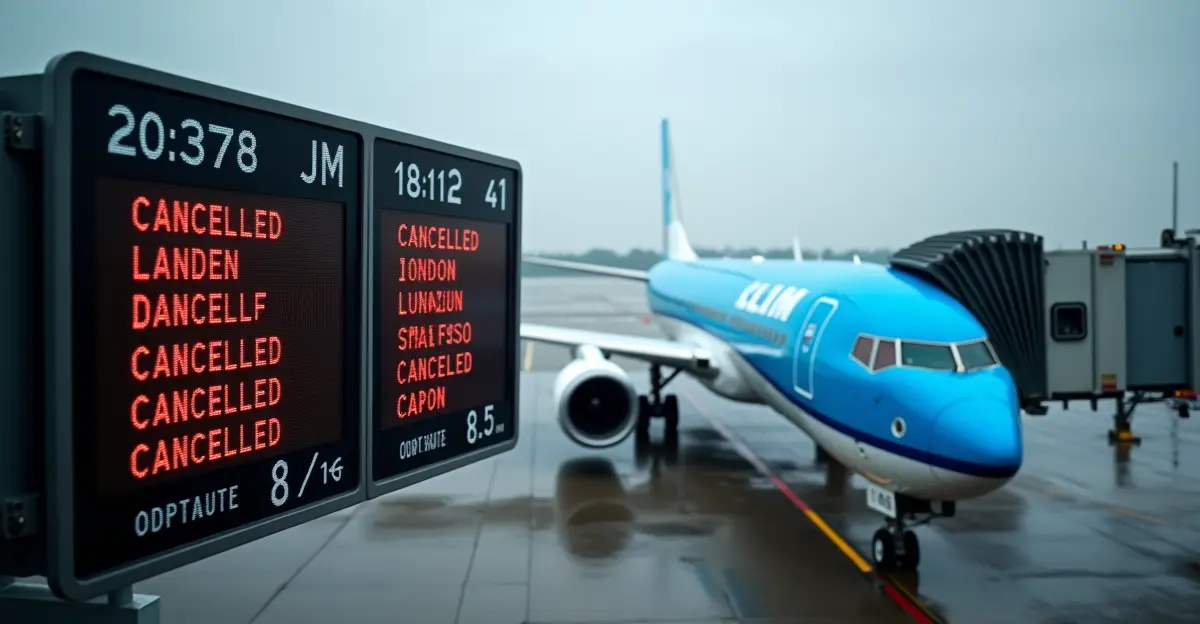
| KLM | 80 return flights cancelled within Europe | Affects routes like London and Düsseldorf |
| Delta Airlines | 3.5% capacity reduction | $2 billion additional fuel costs this quarter |
| Cathay Pacific | 2% passenger flight reduction | Asian routes particularly affected |
| Air France-KLM | €100 surcharge on long-haul tickets | Fare increases across network |
| American Airlines | $10-150 checked bag fee increases | Additional revenue to offset fuel costs |
European Union Emergency Response
The European Commission is developing its AccelerateEU plan to address the jet fuel shortage, with formal announcements expected Wednesday. The plan includes:
- Enhanced monitoring of jet fuel reserves across member states
- Coordinated distribution of available supplies
- Mapping refinery capacity to maximize output
- Accelerating imports from non-Gulf sources like the United States
- Potential use of emergency strategic reserves
European Transport Ministers met today to discuss preventing fuel shortages, recognizing that rerouting supplies around the Cape of Good Hope adds up to 20 days to delivery times, exacerbating the supply chain crisis.
Impact on Passengers and Travel Industry
Travelers face a challenging summer with:
- Higher ticket prices across all routes
- Increased cancellation risk for booked flights
- New fuel surcharges on existing bookings
- Reduced flight frequency on popular routes
- Potential last-minute schedule changes
The crisis comes at the worst possible time, just as the peak summer travel season approaches. Industry experts warn that the combination of fuel shortages and price increases could lead to a significant contraction in air travel demand similar to pandemic-era reductions.
Long-Term Implications for Aviation
This crisis represents a fundamental challenge to the aviation industry's operating model. Airlines must now consider:
- Accelerated fleet modernization for fuel efficiency
- Strategic route network optimization
- Increased hedging against fuel price volatility
- Potential shift toward sustainable aviation fuels (SAF)
- Reassessment of regional subsidiary structures
The Lufthansa CityLine closure, originally planned for 2028 but accelerated to immediate implementation, demonstrates how quickly airlines must adapt to changing market conditions. Similar to the 2025 European airline consolidation wave, this crisis may trigger further industry restructuring.
Frequently Asked Questions (FAQ)
How many flights is Lufthansa cancelling?
Lufthansa is cancelling 20,000 short-haul flights through October 2026, representing approximately 40,000 metric tons of jet fuel savings.
Why are airlines cancelling flights?
Airlines are cancelling flights due to a severe jet fuel crisis caused by the Middle East conflict, which has doubled fuel prices and threatens supply shortages across Europe.
Will my Lufthansa flight be cancelled?
If you're booked on a short-haul European flight with Lufthansa or CityLine, particularly from Frankfurt to Poland or Norway, check directly with the airline for cancellation notifications and rebooking options.
What is the EU doing about the fuel crisis?
The European Commission is developing the AccelerateEU plan to monitor reserves, distribute supplies, maximize refinery output, and accelerate imports from alternative sources.
How long will the aviation fuel crisis last?
Industry analysts predict the crisis could persist for months, even if the Strait of Hormuz reopens immediately, due to production restart delays and extended shipping times.


Follow Discussion