


 Deutsch
 English
 Español
 Français
 Nederlands
 Português


 Share





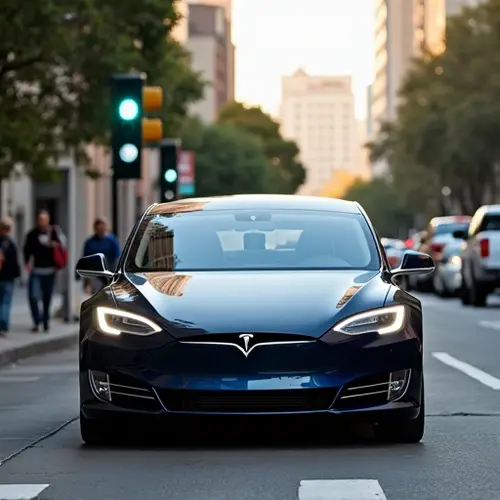
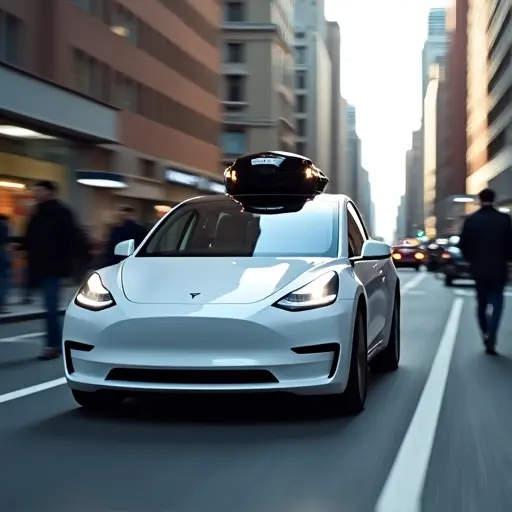
A woman who fell asleep at the wheel of a self-driving Tesla during Tuesday's morning rush hour on Ottawa's Highway 417 has been hit with a self-driving car sleeping fine of $490 Canadian dollars—roughly €300—plus six demerit points on her licence. Ontario Provincial Police say the incident is the first time their Ottawa detachment has charged someone for sleeping in a self-driving car, though similar cases have surfaced across Canada in 2026.
What Happened on Highway 417?
According to police, an officer spotted the driver with her eyes closed and hands off the steering wheel while the Tesla moved in slow traffic on the busy highway that cuts through Canada's capital. The officer pulled alongside and used a body camera to record the scene without activating the siren. The woman likely woke when the vehicle's proximity warning system alerted her to nearby traffic, after which she pulled over. Constable Michael Fathi told CBC News that this appears to be the first such charge by the Ottawa OPP.
This case fits a wider pattern of autonomous vehicle regulation challenges in North America, as semi-autonomous systems become more capable and drivers grow overconfident.
Why Sleeping in a Self-Driving Car Is Still Dangerous
Despite the name, Tesla's Full Self-Driving and Autopilot features do not make a car fully autonomous. They are classified as Level 2 driver-assistance systems, meaning the human driver must remain awake, alert, and ready to take control at any moment. Ontario law allows only Level 1 and Level 2 vehicles for consumers; Level 3 vehicles are permitted in principle but none are sold in Canada yet, and Levels 4–5 may only be tested under a provincial pilot program running through October 2027.
How Tesla's Driver Monitoring Can Fail
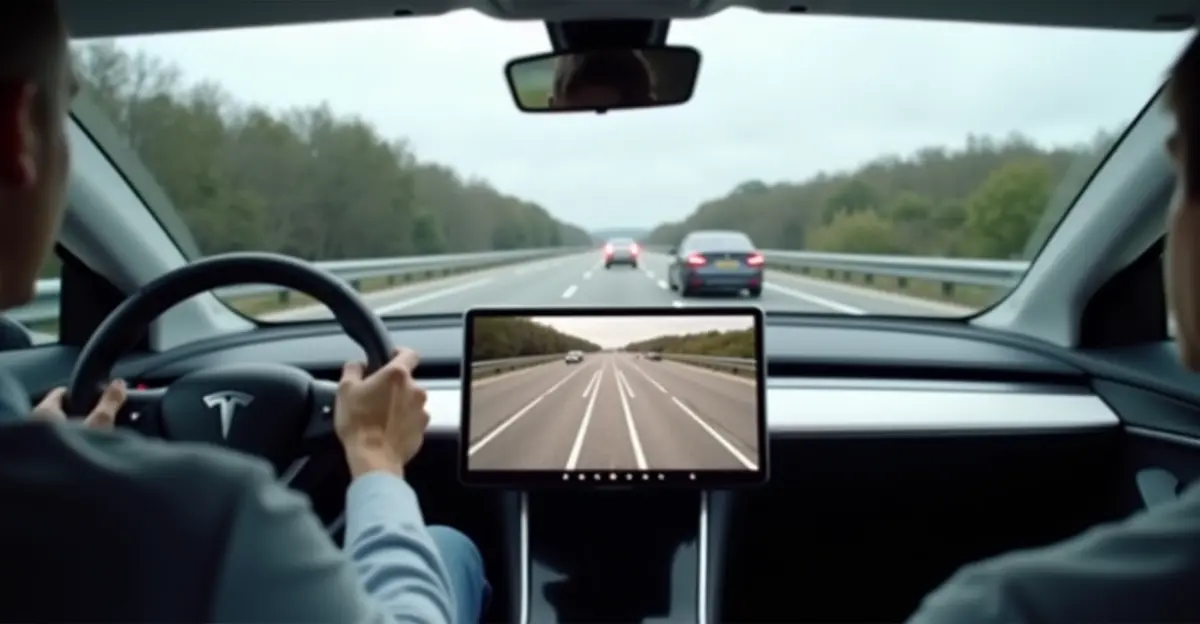
Tesla vehicles use a cabin camera behind the rear-view mirror to check whether the driver's eyes are open, and a steering-wheel torque sensor to detect hands-off driving. However, the system is not foolproof. If a driver wears sunglasses, eye movements become difficult to track, and some drivers use steering-wheel weights to bypass the hand detection. Tesla's five-strike system can also be reset, making it relatively lenient compared with rivals such as GM's Super Cruise, which uses infrared eye tracking.
Automation Complacency and Recent Canadian Cases
The Ottawa incident is at least the fifth publicly reported sleeping-Tesla case in Canada this year, according to Electrek. British Columbia has seen multiple reports, including one in which two children were said to be in the back seat. Fathi stressed that the technology has been involved in crashes, some fatal, and that drivers must maintain control. Tesla Full Self-Driving safety investigations have drawn regulatory attention in both Canada and the United States.
What Are the Penalties and Legal Implications?
The careless driving charge carries a $490 fine and six demerit points on conviction, enough to trigger a warning letter from the province. But if the case goes to court and results in a conviction, penalties can rise to $2,000, six months in jail, or a two-year licence suspension. The OPP used the incident to remind motorists that, even with autonomy features, the driver remains legally responsible. As police wrote on social media: Even if a vehicle has an autonomous driving feature, drivers remain obligated to give the necessary care and attention to traffic when they are behind the wheel.
Similar legal principles apply in other jurisdictions. For example, in the Netherlands, the driver of a self-driving car is always responsible, and distracted driving laws in Europe continue to evolve as automation spreads.
A quick comparison of key penalties:
- Careless driving: $490 CAD fine, 6 demerit points
- Distracted driving: $615 CAD fine, 3 demerit points, 3-day licence suspension
- Court conviction (careless): up to $2,000, 6 months jail, or 2-year suspension
Frequently Asked Questions
Can you legally sleep in a self-driving car?
No. In Canada, the United States, and most of Europe, current consumer self-driving features require the driver to remain awake, alert, and ready to take control. Sleeping behind the wheel can lead to careless or dangerous driving charges.
How much is the fine for sleeping in a self-driving car in Ottawa?
The reported fine is $490 Canadian dollars, roughly €300, plus six demerit points. A court conviction could bring higher penalties.
Does Tesla's Full Self-Driving allow you to take your hands off the wheel?
No. Tesla FSD is a Level 2 driver-assistance system. Drivers must keep their hands on the wheel and pay attention at all times, though monitoring can sometimes be bypassed.
Why did the driver wake up?
Police believe the Tesla's proximity warning system alerted the driver to nearby traffic, prompting her to wake and pull over.
Is this the first case in Canada?
No. It is the first reported charge by the Ottawa OPP, but several similar sleeping-driver cases have been reported in British Columbia in 2026.
Follow Discussion